
.png)
Eating out has become a regular part of modern life. Busy work schedules, social commitments, travel, and convenience often make restaurant meals unavoidable. While dining out can be enjoyable, frequent restaurant meals may lead to excessive calories, sodium, and unhealthy fats if choices are not made carefully. The good news is that eating out does not have to conflict with healthy nutrition goals. With the right strategies and smart meal selections, it is possible to enjoy restaurant food while maintaining balanced nutrition and long-term health.
Understanding The Challenges Of Eating Out Frequently
Restaurants are designed to satisfy taste and convenience, not necessarily nutrition.
Large Portions And Hidden Calories
Restaurant portions are often much larger than what the body needs. Sauces, dressings, and cooking oils add calories that are not always obvious.
High Sodium And Added Sugars
Many restaurant dishes contain high levels of sodium and added sugars, which may contribute to bloating, fatigue, and long-term health concerns.
Limited Control Over Ingredients
Unlike home cooking, restaurant meals offer limited transparency regarding ingredients, preparation methods, and portion sizes.
Social And Convenience Pressures
Business lunches, family dinners, and social events often revolve around eating out, making mindful choices more challenging.
Principles For Making Healthier Restaurant Choices
Understanding basic nutrition principles makes eating out more manageable.
Prioritize Balance Over Perfection
Not every restaurant meal needs to be perfect. Focusing on balance across meals and days supports sustainable habits.
Focus On Protein And Vegetables First
Meals built around lean protein and vegetables tend to be more filling and nutrient-dense.
Be Mindful Of Portions
Eating half and saving the rest, sharing dishes, or ordering lighter options helps control intake without restriction.
Choose Preparation Methods Wisely
Grilled, baked, steamed, or roasted options are generally healthier than fried or breaded dishes.
Healthy Choices At Casual Dining And Fast-Casual Restaurants
Fast-casual restaurants often provide customizable options.
Grilled Protein Bowls
Bowls with grilled chicken, fish, tofu, or beans paired with vegetables and whole grains offer balanced nutrition.
Salads With Lean Protein
Choose salads with grilled protein, mixed vegetables, and vinaigrette dressing on the side to control calories.
Sandwiches With Smart Swaps
Opt for whole grain bread, lean protein, extra vegetables, and lighter sauces. Skipping fried fillings improves nutritional value.
Soup And Side Combinations
Broth-based soups paired with salads or vegetable sides offer warmth and satisfaction without excess calories.
Healthy Meal Ideas At Traditional American Restaurants
Classic American restaurants can still support healthy eating.
Grilled Chicken Or Fish With Vegetables
Simple grilled entrees paired with steamed or roasted vegetables are reliable choices.
Lean Steak With Balanced Sides
Choosing smaller portions of lean steak with vegetables and a baked potato supports protein intake without excess fat.
Breakfast For Any Time Of Day
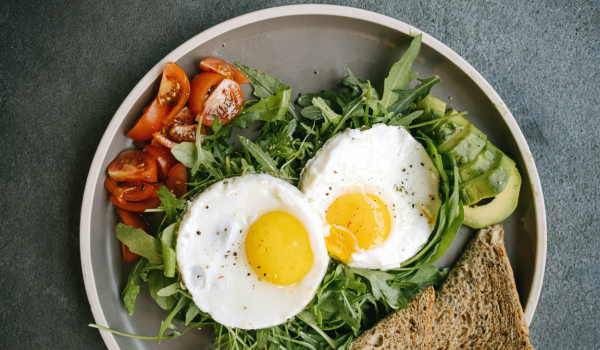
Egg-based dishes with vegetables, whole grain toast, and fruit provide balanced nutrition beyond traditional breakfast hours.
Customize Side Dishes
Swapping fries for vegetables, salad, or fruit significantly improves meal quality.
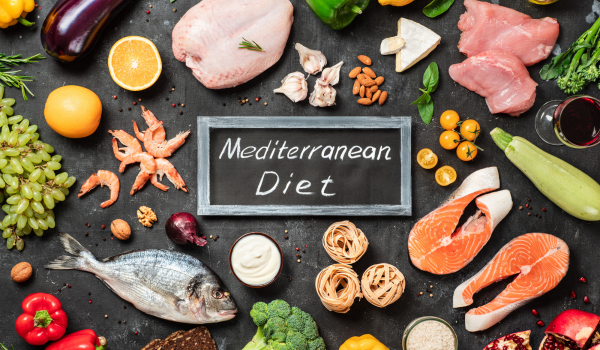
Healthier Options At Italian And Mediterranean Restaurants
These cuisines offer many naturally balanced dishes.
Tomato-Based Pasta With Vegetables
Choosing tomato-based sauces over creamy ones reduces fat and calorie intake.
Grilled Seafood And Lean Proteins
Grilled fish, chicken, or shrimp with vegetables and olive oil supports heart health.
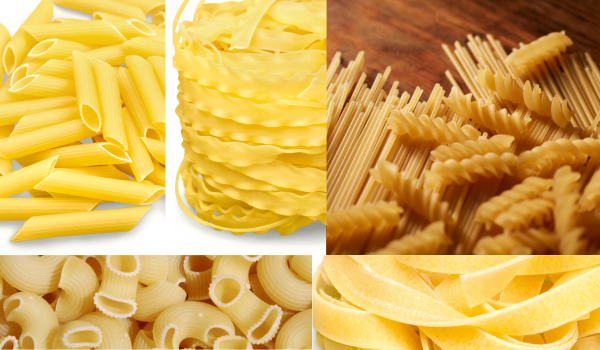
Portion Control With Pasta And Bread
Sharing pasta dishes or ordering half portions helps manage carbohydrate intake.
Mediterranean Plates And Bowls
Hummus, grilled vegetables, lean meats, and whole grains offer fiber, protein, and healthy fats.
Making Smart Choices At Asian Restaurants
Asian cuisine provides many nutritious options when selected carefully.
Stir-Fried Or Steamed Dishes
Choosing dishes prepared with less oil and more vegetables supports balanced nutrition.
Rice And Noodle Portions
Requesting smaller portions of rice or choosing brown rice when available helps stabilize blood sugar.
Soups With Vegetables And Protein
Miso soup, pho, and broth-based soups offer hydration and nourishment without heaviness.
Sauce Awareness
Requesting sauces on the side reduces sodium and added sugars.
Healthy Strategies For Eating Out During Workdays
Work-related dining often requires quick decisions.
Order First When Possible
Ordering early reduces influence from others’ choices and supports mindful selection.
Choose Familiar Healthy Staples
Relying on known balanced meals avoids decision fatigue.
Balance Across The Day
If lunch is heavier, keep dinner lighter with vegetables and lean protein.
Avoid Skipping Meals
Skipping meals increases overeating later and disrupts energy levels.
Healthy Snack And Beverage Choices When Dining Out
Beverages and snacks can significantly impact calorie intake.
Choose Water Or Unsweetened Drinks
Water, sparkling water, or unsweetened tea support hydration without added sugar.
Limit Sugary And Alcoholic Beverages
Sugary drinks and alcohol add calories without supporting fullness.
Select Balanced Snacks
Nuts, yogurt, fruit, or vegetable-based appetizers offer better nutrition than fried options.
Practical Meal Examples For Frequent Restaurant Diners
Realistic combinations support consistency.
Lunch Examples
Grilled chicken salad with vinaigrette
Turkey sandwich on whole grain bread with vegetables
Rice bowl with beans, vegetables, and grilled protein
Dinner Examples
Grilled salmon with vegetables and quinoa
Stir-fried vegetables with tofu and brown rice
Lean steak with roasted vegetables
Breakfast Or Brunch Examples
Vegetable omelet with whole grain toast
Greek yogurt with fruit and nuts
Oatmeal with berries and seeds
Common Mistakes To Avoid When Eating Out Often
Awareness improves decision-making.
Assuming All Restaurant Food Is Unhealthy
Many restaurants offer nutritious options when chosen thoughtfully.
Overeating Because Of Portion Size
Listening to hunger cues helps prevent discomfort and excess intake.
Ignoring Vegetables Completely
Meals lacking vegetables often miss essential nutrients and fiber.
Letting One Meal Derail Overall Habits
Consistency matters more than occasional indulgence.
Conclusion
Eating out frequently does not have to compromise health. By focusing on balanced meals, mindful portions, and smart food choices, people who dine out often can maintain energy, support digestion, and protect long-term wellness. Healthy eating is about flexible strategies rather than strict rules. Explore more nutrition resources and begin applying these practical restaurant meal ideas to support a healthier lifestyle today.


.png)














.png)
.png)
.png)
.png)

.png)
.png)
.png)
.png)
.png)
.png)
.png)
.png)
.png)
.png)



.png)
.png)
.png)
.png)

