.png)
Healthy eating looks different at every stage of life. As the body grows, matures, and ages, nutritional needs naturally evolve. What works for a child may not support an adult’s energy demands, and what benefits younger adults may not meet the needs of older individuals. Understanding how nutrition supports each life stage helps create sustainable habits that promote long-term health, vitality, and disease prevention. By adjusting food choices thoughtfully over time, individuals can maintain strength, mental clarity, and overall well-being throughout life.
Why Nutrition Needs Change With Age
The body’s nutritional demands shift as growth, metabolism, and activity levels change.
Growth And Development Requirements
Children and adolescents need nutrients to support physical and cognitive development.
Metabolic Changes Over Time
Metabolism gradually slows with age, affecting energy needs.
Hormonal Changes Influence Nutrition
Hormonal shifts impact appetite, nutrient absorption, and body composition.
Lifestyle And Activity Levels Matter
Work routines, physical activity, and stress levels all affect dietary needs.
Nutrition For Infants And Toddlers
Early nutrition lays the foundation for lifelong health.
Supporting Rapid Growth
Young children need sufficient energy, protein, and essential fats for development.
Developing Healthy Eating Patterns
Early exposure to diverse foods encourages healthy preferences.
Key Nutrients For Early Development
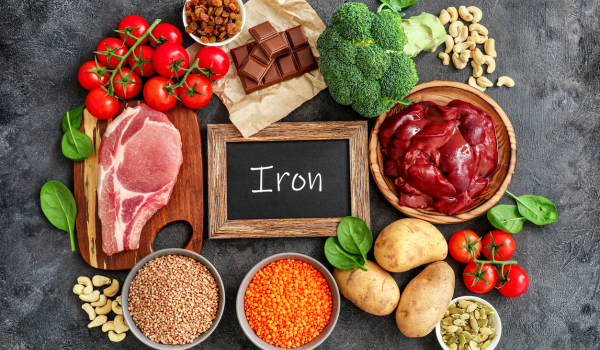
Iron, calcium, vitamin D, and healthy fats are especially important.
Encouraging Whole Foods Early
Whole foods support digestion and nutrient absorption.
Healthy Eating For Children And Preteens
As children grow, nutrition supports learning and activity.
Balanced Meals Support Learning
Proper nutrition fuels concentration and memory.
Protein For Growth And Strength
Protein supports muscle and tissue development.
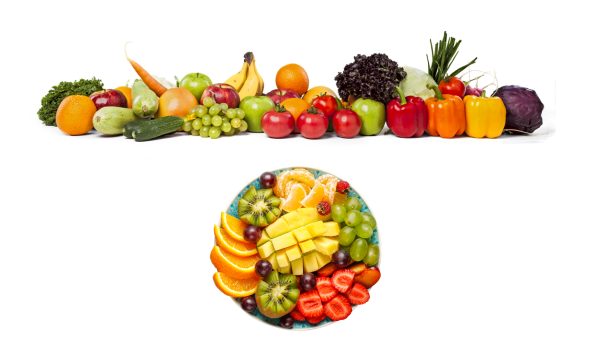
Fruits And Vegetables For Immunity
Vitamins and antioxidants support immune health.
Healthy Snacking Habits
Nutritious snacks help maintain energy throughout the day.
Nutrition Needs For Teenagers
Adolescence brings rapid physical and hormonal changes.
Increased Energy Requirements
Growing bodies need sufficient calories and nutrients.
Supporting Bone Development
Calcium and vitamin D are essential during this stage.
Balancing Independence And Nutrition
Encouraging informed food choices supports lifelong habits.
Preventing Nutrient Deficiencies
Iron and protein intake are especially important during growth spurts.
Nutrition For Young Adults
Young adulthood often involves lifestyle transitions.
Supporting Energy And Performance
Balanced meals help manage busy schedules and stress.
Maintaining Healthy Body Composition
Nutrition supports muscle maintenance and metabolic health.
Establishing Long-Term Habits
Consistent eating patterns reduce long-term health risks.
Managing Convenience Foods Wisely
Choosing nutrient-dense options supports overall wellness.
Nutrition For Adults In Midlife
Midlife nutrition supports longevity and vitality.
Supporting Heart Health
Balanced diets help manage cholesterol and blood pressure.
Maintaining Muscle Mass
Protein intake helps preserve muscle strength.
Managing Metabolic Changes
Fiber-rich foods support digestion and metabolic health.
Reducing Inflammation
Whole foods help manage inflammation associated with aging.
Nutrition For Older Adults
Aging brings changes that affect dietary needs.
Maintaining Bone Density
Calcium and vitamin D support skeletal health.
Supporting Muscle Strength
Protein intake helps prevent muscle loss.
Supporting Digestive Comfort
Fiber aids digestion and regularity.
Ensuring Adequate Hydration
Hydration supports circulation and cognitive function.
Key Nutrients Important Across All Ages
Certain nutrients support health throughout life.
Protein For Repair And Maintenance
Essential for tissues, muscles, and immunity.
Fiber For Digestive Health
Supports gut health and heart function.
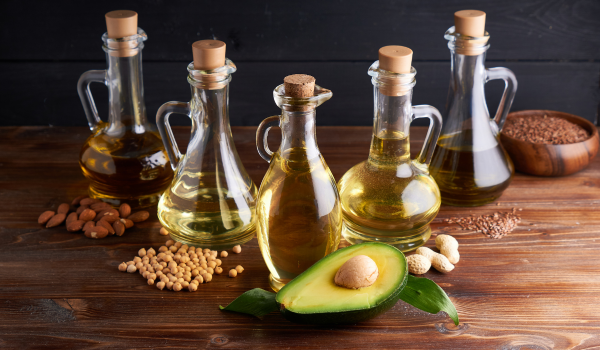
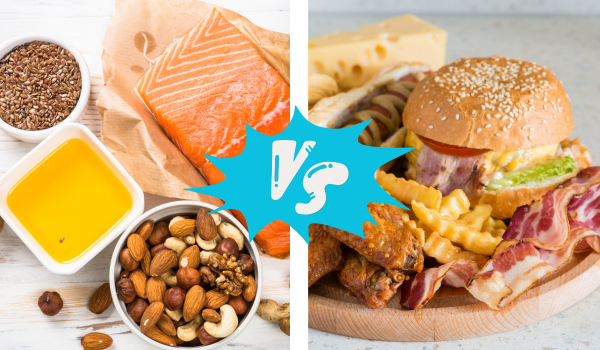
Healthy Fats For Brain And Heart Health
Support cognitive function and cardiovascular wellness.
Vitamins And Minerals For Daily Function
Essential for energy, immunity, and cellular health.
Building Healthy Eating Habits At Any Age
Healthy habits can be developed at any stage of life.
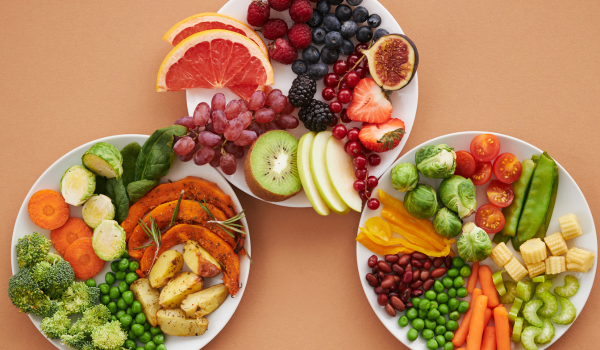
Focus On Whole Foods
Whole foods provide better nutrition than processed options.
Create Balanced Meals
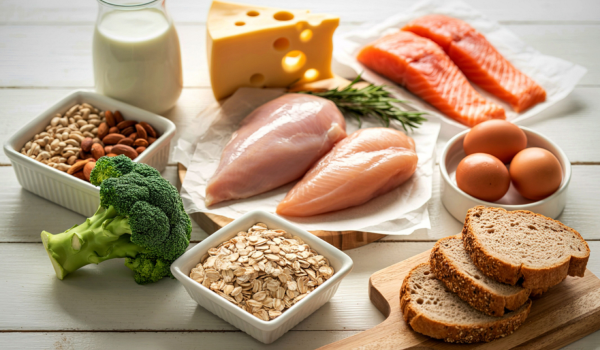
Including all food groups supports overall health.
Practice Mindful Eating
Paying attention to hunger and fullness improves balance.
Maintain Consistency Over Perfection
Long-term habits matter more than occasional choices.
The Role Of Lifestyle In Nutrition
Nutrition works best alongside healthy habits.
Regular Physical Activity
Movement supports nutrient utilization.
Adequate Sleep
Rest helps regulate appetite and metabolism.
Stress Management
Lower stress supports healthy digestion.
Social Connection And Meals
Sharing meals encourages healthier eating patterns.
Supporting Healthy Eating Across Generations
Family habits influence long-term health.
Modeling Healthy Choices
Children learn by observing adults.
Encouraging Shared Meals
Family meals promote balanced eating.
Education Through Experience
Involving all ages in food preparation builds awareness.
Flexibility For Individual Needs
Each stage of life has unique nutritional requirements.
Long-Term Benefits Of Age-Appropriate Nutrition
Consistent healthy eating supports lifelong wellness.
Improved Energy And Vitality
Proper nutrition supports daily functioning.
Reduced Risk Of Chronic Conditions
Balanced diets help prevent lifestyle-related diseases.
Enhanced Mental And Physical Performance
Nutrition supports cognitive and physical health.
Greater Quality Of Life
Healthy eating contributes to long-term independence and well-being.
Conclusion
Healthy eating habits evolve across different stages of life, but their impact remains powerful at every age. By adjusting nutrition to meet changing needs, individuals can support growth, energy, and long-term health. Thoughtful food choices, balanced meals, and consistent habits create a strong foundation for lifelong wellness. No matter the stage of life, investing in nutrition today leads to healthier tomorrows.


.png)











.png)
.png)
.png)
.png)

.png)
.png)
.png)
.png)
.png)
.png)
.png)
.png)
.png)
.png)



.png)
.png)
.png)
.png)