
.png)
Balancing family responsibilities, work commitments, and personal well-being can feel overwhelming for many parents. With limited time and constant demands, healthy eating often becomes a challenge rather than a priority. However, nourishing both yourself and your family does not require perfection or hours in the kitchen. By adopting practical habits and simple strategies, busy parents can build sustainable eating routines that support energy, health, and overall well-being without adding stress to daily life.
Why Healthy Eating Feels Challenging For Busy Parents
Parenthood often comes with unpredictable schedules and limited time.
Lack Of Time For Meal Preparation
Busy routines make it difficult to cook from scratch regularly.
Increased Reliance On Convenience Foods
Quick options are often less nutritious but more accessible.
Fatigue And Decision Overload
Constant responsibilities can reduce motivation to make healthy choices.
Competing Priorities
Parents often prioritize their children’s needs over their own nutrition.
Understanding The Importance Of Nutrition For Parents
Healthy eating supports both physical and mental resilience.
Sustained Energy Throughout The Day
Balanced meals help prevent energy crashes.
Improved Mood And Stress Management
Proper nutrition supports emotional regulation.
Stronger Immune Function
Nutritious foods help the body resist illness.
Setting A Positive Example For Children
Healthy habits influence children’s long-term behavior.
Building Simple And Balanced Meals At Home
Balanced meals do not need to be complicated.
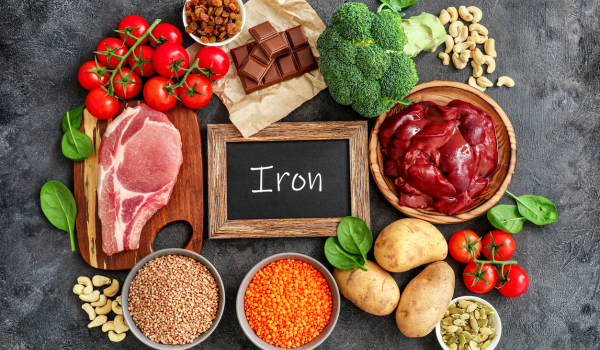
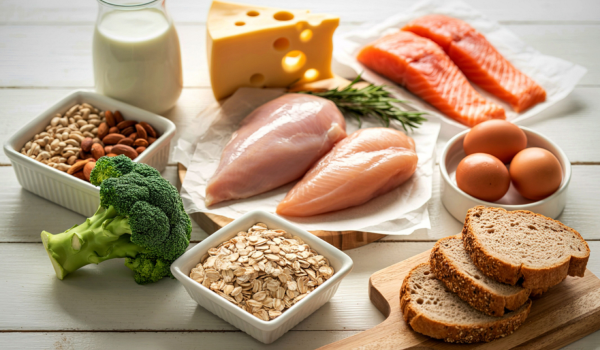
Include A Source Of Protein
Protein supports energy and fullness.
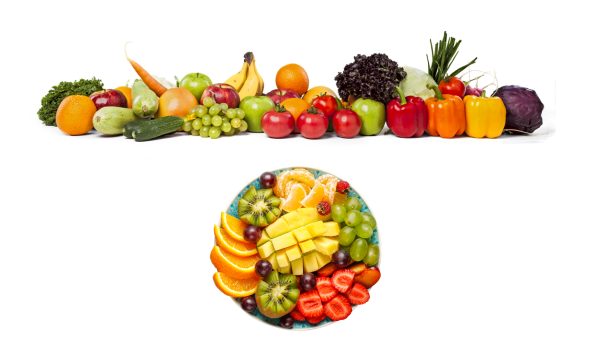
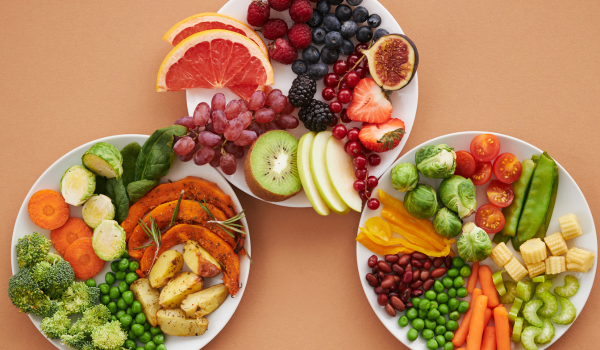
Add Color Through Vegetables And Fruits
Colorful foods provide essential nutrients.
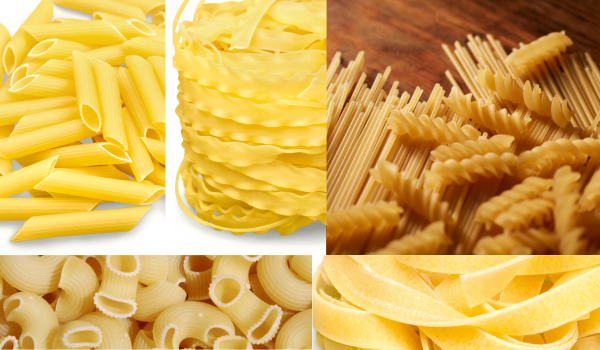
Choose Whole Grains When Possible
Whole grains offer sustained energy.
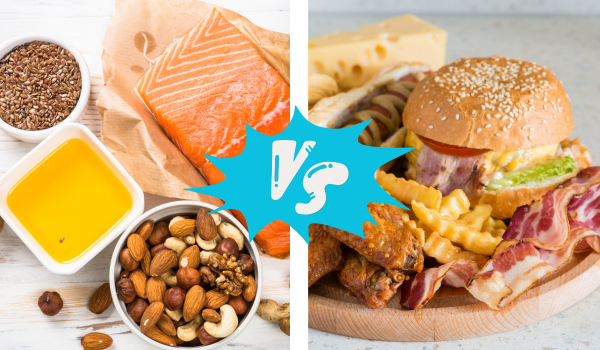
Use Healthy Fats In Moderation
Healthy fats support brain and heart health.
Time-Saving Meal Planning Strategies
Planning ahead reduces stress during busy weeks.
Plan Meals Around Familiar Favorites
Using known meals saves time and effort.
Prepare Ingredients In Advance
Chopping and portioning ahead makes cooking faster.
Use Batch Cooking When Possible
Cooking once and eating multiple times saves energy.
Create A Simple Weekly Meal Plan
Even a loose plan helps reduce daily decision-making.
Smart Grocery Shopping For Busy Families
Efficient shopping supports healthy eating habits.
Stick To A Simple Grocery List
Planning reduces impulse purchases.
Choose Convenient Healthy Options
Pre-cut vegetables and frozen foods save time.
Shop The Perimeter Of The Store
Whole foods are often found along the edges.
Read Labels When Possible
Awareness supports healthier choices.
Quick And Healthy Meal Ideas For Busy Days
Fast meals can still be nutritious.
One-Pan Or One-Pot Meals
Simple cooking reduces cleanup time.
Build-Your-Own Meals
Let family members customize their plates.
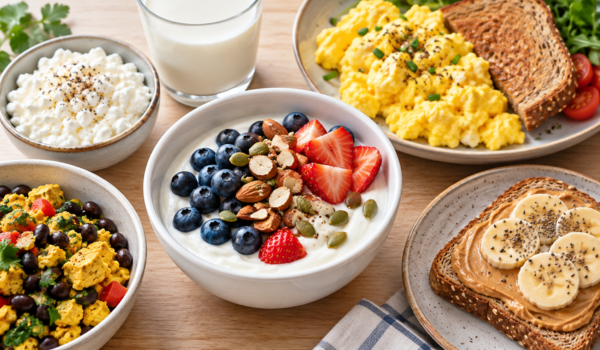
Healthy Breakfasts On The Go
Smoothies, yogurt, and fruit are quick options.
Simple Lunches That Travel Well
Wraps, salads, and leftovers save time.
Helping Kids Develop Healthy Eating Habits
Children learn by observing adults.
Model Balanced Eating
Children are more likely to try foods they see adults enjoying.
Involve Kids In Meal Preparation
Participation builds interest in healthy foods.
Offer Variety Without Pressure
Repeated exposure encourages acceptance.
Create A Positive Mealtime Environment
Avoid pressure or food-related stress.
Managing Snacks And Treats Mindfully
Snacks can support energy when chosen wisely.
Pair Protein With Fiber
This helps maintain fullness between meals.
Keep Healthy Snacks Accessible
Visibility encourages better choices.
Allow Occasional Treats Without Guilt
Balance prevents restriction-related overeating.
Focus On Portion Awareness
Moderation supports long-term habits.
Eating Well While Managing Busy Schedules
Flexibility is essential for consistency.
Accept Imperfection
Not every meal needs to be ideal.
Use Healthy Convenience Foods
Some shortcuts support balance.
Adapt Meals To Daily Energy Levels
Simpler meals on busy days are acceptable.
Focus On Consistency Over Perfection
Long-term habits matter more than individual meals.
Supporting Energy And Focus Throughout The Day
Nutrition influences daily performance.
Eat Regularly To Maintain Energy
Skipping meals can lead to fatigue.
Stay Hydrated
Water supports physical and mental performance.
Balance Meals For Sustained Energy
Combining nutrients prevents crashes.
Avoid Relying On Sugary Snacks
They provide short-lived energy.
Creating A Supportive Family Food Environment
A positive environment encourages healthy habits.
Eat Together When Possible
Shared meals promote connection.
Limit Screen Time During Meals
Focus enhances awareness and enjoyment.
Encourage Open Conversations About Food
Avoid labeling foods as good or bad.
Celebrate Small Wins
Progress builds motivation.
Maintaining Healthy Habits During Busy Seasons
Busy periods require flexibility.
Simplify Meal Choices
Repeat meals that work well.
Adjust Expectations When Needed
Perfection is not necessary.
Lean On Easy Options Without Guilt
Convenience can still be healthy.
Return To Routine When Life Slows Down
Balance naturally restores itself.
Building Long-Term Healthy Habits As A Family
Long-term habits develop gradually.
Focus On Consistency Over Time
Small actions add up.
Encourage Shared Responsibility
Everyone can contribute to meals.
Adapt Habits As Children Grow
Needs change over time.
Make Health A Family Value
Shared goals create lasting habits.
Conclusion
Healthy eating for busy parents does not require perfection or elaborate planning. By focusing on simple, realistic strategies and maintaining flexibility, families can build nourishing routines that support energy, health, and connection. Small, consistent habits make a meaningful difference over time, helping parents care for themselves while caring for those they love.

.png)










.png)
.png)
.png)
.png)

.png)
.png)
.png)
.png)
.png)
.png)
.png)
.png)
.png)
.png)


.png)
.png)
.png)
.png)

