.png)
Eating well is challenging enough for one person—but when several people share a home and each one likes different foods, habits, spices, and textures, it can feel nearly impossible. Children may prefer mild flavors while adults crave spice. One family member may love vegetables while another picks them out. Teens may want more calories than parents, and someone else may avoid certain textures altogether. Add picky eaters, time pressure, and budget limits, and dinner can quickly feel overwhelming.
The good news is healthy eating does not require cooking four separate meals or forcing everyone to eat identical plates. With a few smart strategies, it’s possible to build meals that support health, satisfy individual preferences, and even encourage curiosity about new foods—without turning mealtime into a battleground.
Understand And Respect Different Food Preferences
Start With Observation, Not Judgment
Tastes develop over time due to age, culture, sensory sensitivity, or past food experiences. Instead of labeling someone as picky, note which flavors, textures, and food types they gravitate toward.
Avoid Forcing Or Pressuring
Research shows pressure at the table often backfires, creating long-term negative feelings around food. Offer options, but allow each person to decide what and how much they will eat.
Accept That Preferences Change
Children become more open to new flavors as they grow. Adults may shift tastes as lifestyle or health goals change. Being flexible prevents frustration.
Build Meals Around A “Common Base” To Keep Everyone’s Needs In Mind
Choose One Shared Main Item
A simple protein—such as baked chicken, beans, tofu, or ground turkey—works as the foundation of many meals. Everyone can customize their plate from there.
Let Sides And Flavors Vary
If one person prefers spicy seasoning and another doesn’t, cook a basic version and serve sauce or spices on the side. Small additions meet different tastes without doubling time in the kitchen.
Create Mix-And-Match Meal Formats
Some of the easiest dinners fit into build-your-own systems, such as:
-
Burrito bowls
-
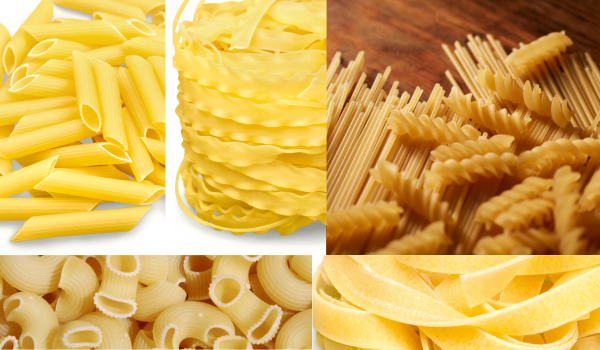
Pasta bars
-
Salad bowls
-
Stir-fry stations
-
Wrap and sandwich platters
-
Baked potato bars
With a few components prepared, everyone assembles a meal they enjoy while still hitting nutrition goals.
Use Add-Ins And Toppings To Personalize Without Extra Work
Prepare Neutral Meals, Flavor Individually
A pan of roasted vegetables becomes spicy with sriracha, creamy with cheese, or tangy with vinaigrette—depending on the eater. Pasta works the same way: dress it with marinara, pesto, olive oil, or Parmesan based on preference.
Offer Multiple Flavor Profiles At The Table
Simple additions allow each plate to feel personalized:
-
Hot sauce, salsa, herbs
-
Cheese or nutritional yeast
-
Lemon wedges
-
Nuts or seeds
-
Dressings or healthy dips
This approach saves time and teaches experimentation.
Support Picky Eaters Gently
Include at least one safe food they already enjoy—fruit, plain pasta, bread, yogurt, or simple vegetables. Feeling safe encourages gradual tasting of new foods.
Incorporate More Vegetables Without Making Them The Focus
Blend Vegetables Into Favorite Meals
Add bell peppers to tacos, spinach to pasta sauce, shredded carrots to meatballs, or mushrooms to lasagna. If someone dislikes visible vegetables, blending them into sauces or soups preserves nutrition without resistance.
Serve Vegetables In Multiple Forms
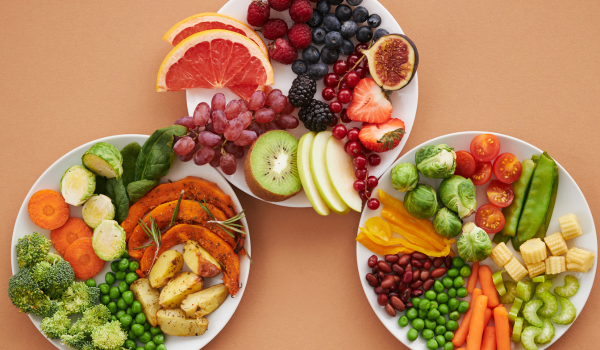
Raw veggies for crunch-loving eaters, steamed for softer textures, or roasted for caramelized flavors give everyone a chance to find options they enjoy.
Put Produce On The Table Early
Offer cut fruit or vegetables before the main course. Hunger increases the chances of eating them first.
Create Flexibility With Minimal Effort
Cook Once, Eat Twice
Prepare a large protein or grain and use it two or three ways that reflect different preferences—a pot of beans may become burritos one night and chili the next.
Freeze Extras For Selective Eaters
If kids love a certain food and adults don’t, freeze single servings for backup instead of cooking a separate meal nightly.
Use Meal Planning As A Tool, Not A Rule
Write down two or three meal ideas each week that naturally offer variety rather than strict nightly menus.
Keep The Kitchen Stocked With Shared Basics
Pantry And Fridge Essentials Help Everyone Eat Well
Balanced meals get easier when nutritious staples are always available:
-
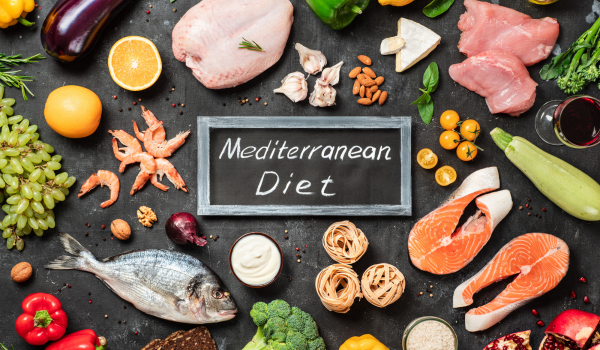
Rice, whole-grain pasta, quinoa
-
Canned or frozen vegetables
-
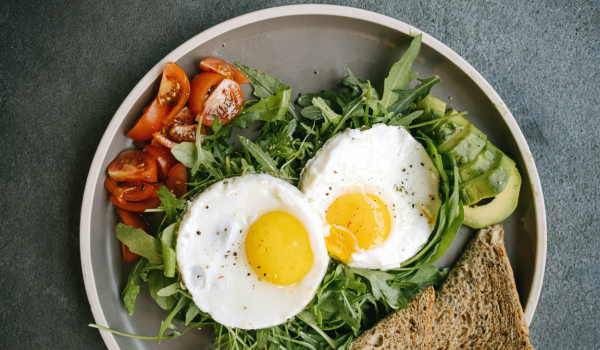
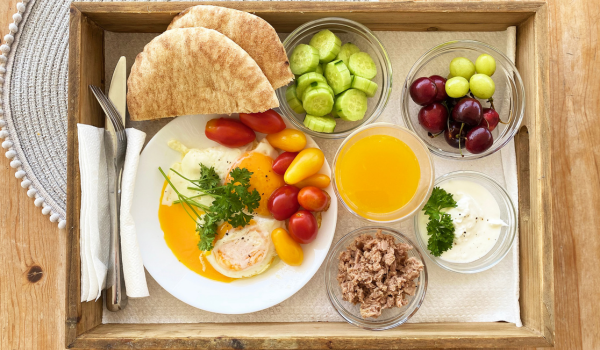
Eggs, beans, or tuna
-
Salad greens
-
Fruit for snacks and sides
-
Yogurt, nuts, or hummus
These items support flexible meal-building without requiring extra shopping or planning.
Let Household Members Help Choose Foods
Involve kids and adults in shopping lists, grocery trips, or selecting one produce item to try each week. Participation increases willingness to taste.
Manage Conflicts Calmly And Consistently
Set Gentle Family Expectations
Decide on broad household values—such as serving a vegetable at every dinner or keeping sugary drinks for special occasions. Shared guidelines give structure without controlling preferences.
Avoid Creating “Kid Food Versus Adult Food”
Offer familiar foods alongside new or more complex flavors, so children don’t get used to separate menus long term.
Celebrate Exploration, Not Perfection
A child tasting a new vegetable is a win. An adult trying a lighter choice counts too. Tiny steps build healthier habits for everyone.
Support Different Nutritional Needs Without Extra Stress
Growing Kids May Need More Calories
Offer larger portions of grains, fruit, or protein, while adults may choose lighter add-ons.
Teen Athletes Or Active Adults Need Fuel
Keep higher-energy foods available such as nuts, smoothies, peanut butter sandwiches, or hearty oats.
Family Members With Health Goals Can Modify Plates
Those monitoring sodium, sugar, or fat can use smaller amounts of sauces or dressing, without limiting others.
Vegetarians Or Meat Eaters Can Share Core Ingredients
Grains, beans, vegetables, and sauces work for everyone; each person adds their own protein source—meat or plant-based.
Make Mealtime Enjoyable For The Whole Household
Eat Together When Possible
Shared meals improve communication, reduce stress, and encourage healthier patterns, even when plates look different.
Discuss Food Positively
Avoid negative language like “bad food” or “junk food.” Focus instead on how certain foods help energy, sports performance, school focus, or sleep.
Respect Autonomy
Offering choices gives eaters ownership and builds confidence—especially for children learning to listen to their bodies.
Conclusion
Healthy eating does not require everyone in a household to enjoy the same foods or flavors. With flexible strategies—such as building meals around shared components, offering customizable toppings, preparing simple ingredients ahead of time, and honoring personal preferences—you can create nourishing meals that satisfy diverse tastes without doubling work.
Small habits like involving family members in planning, using neutral base dishes, and avoiding pressure at the table make healthy eating more enjoyable and more sustainable for everyone. When preferences are respected and food exploration is encouraged, families build confidence, positive relationships with food, and healthier patterns that last.
Explore more practical healthy eating tips and everyday nutrition guides on Health365s.com to support your household one meal at a time.

.png)













.png)
.png)
.png)
.png)


.png)
.png)
.png)
.png)
.png)
.png)
.png)
.png)
.png)
.png)


.png)
.png)
.png)
.png)