.png)
Not everyone enjoys cooking, and that is completely okay. For many people, cooking feels time-consuming, stressful, or simply uninteresting. Yet eating well is still important for maintaining energy, focus, and overall health. The good news is that healthy eating does not require complicated recipes, long prep times, or culinary skills. With the right approach, it is entirely possible to nourish your body while spending minimal time in the kitchen.
Why You Don’t Need To Love Cooking To Eat Well
Healthy eating does not depend on cooking passion.
Nutrition Is About Choices, Not Cooking Skills
You can eat well without knowing how to cook elaborate meals.
Simple Foods Can Be Highly Nourishing
Basic ingredients often provide excellent nutrition.
Convenience Does Not Mean Unhealthy
Smart convenience choices support balanced eating.
Consistency Matters More Than Creativity
Repeating simple meals is perfectly acceptable.
Redefining What “Cooking” Really Means
Cooking does not have to involve complex steps.
Assembling Is Still Cooking
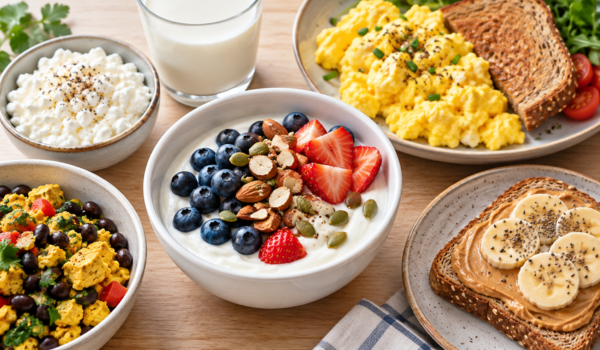
Combining ready-to-eat foods counts as a meal.
Minimal Heat Preparation Is Enough
Simple heating or mixing is often sufficient.
No-Recipe Meals Are Completely Valid
Balanced meals can be built intuitively.
Efficiency Is More Important Than Technique
The goal is nourishment, not perfection.
Building Balanced Meals With Minimal Effort
Balanced meals can be created quickly and easily.
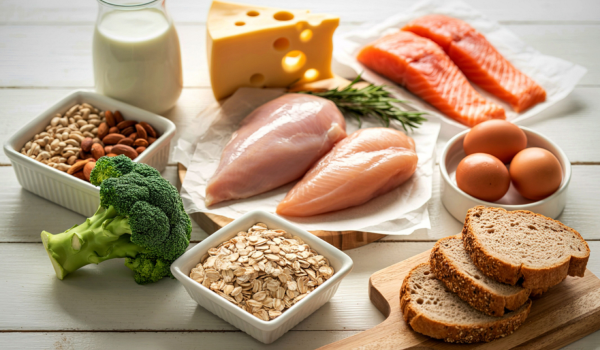
Start With A Protein Source
Protein supports fullness and energy.
Add Fiber-Rich Foods
Fiber supports digestion and satisfaction.
Include Healthy Fats
Fats enhance flavor and nutrient absorption.
Keep Portions Comfortable And Realistic
Balance matters more than precision.
Simple No-Cook Meal Ideas That Still Nourish
Meals do not need heat to be nutritious.
Fresh Produce With Ready Proteins
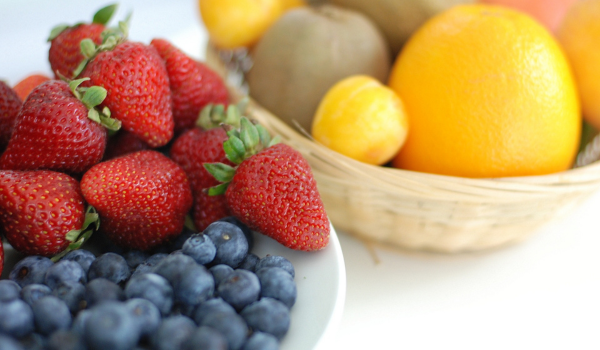
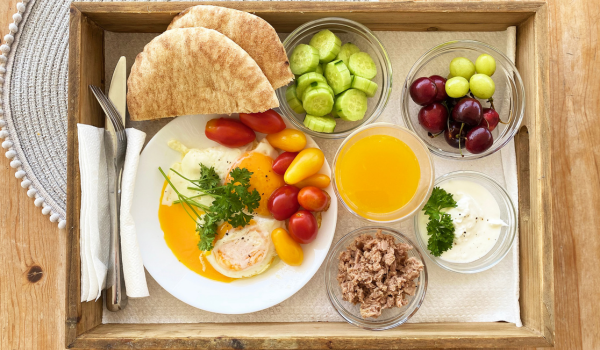
Combining fruits, vegetables, and proteins works well.
Simple Grain-Based Bowls
Using pre-cooked grains saves time.
Wraps And Sandwiches With Balanced Fillings
Easy to assemble and satisfying.
Snack-Style Meals That Add Up
Several small items can form a complete meal.
Making Smart Use Of Convenience Foods
Convenience foods can be part of a healthy lifestyle.
Pre-Cut And Pre-Washed Produce Saves Time
These options reduce prep work.
Frozen Foods Can Be Nutrient-Rich
Freezing preserves nutrients effectively.
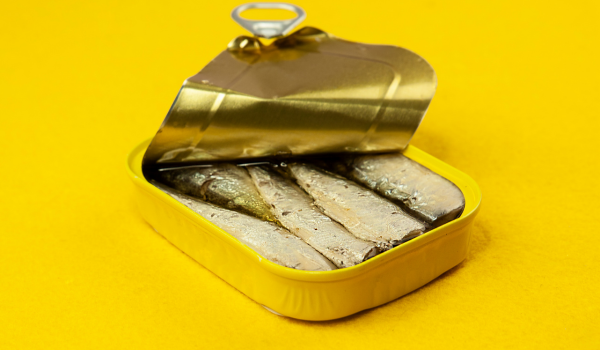
Canned Foods Offer Convenience
Choose options with minimal added ingredients.
Reading Labels Helps Make Better Choices
Simple ingredient lists are best.
How To Eat Well When Ordering Or Eating Out
Eating out does not mean unhealthy eating.
Look For Balanced Options
Meals with protein, fiber, and fats are ideal.
Customize When Possible
Small adjustments improve balance.
Choose Familiar Foods You Enjoy
Enjoyment supports sustainability.
Stop When You Feel Satisfied
Fullness is not required.
The Importance Of Simple Meal Routines
Routine reduces decision fatigue.
Repeating Meals Saves Time
Familiar meals simplify planning.
Predictability Reduces Stress
Knowing what to eat removes pressure.
Consistency Supports Better Habits
Routine encourages balance.
Variety Can Still Exist Over Time
Rotation keeps meals interesting.
How To Eat Well When You’re Short On Time
Time limitations do not eliminate healthy options.
Quick Assembly Meals Work Well
Meals do not need cooking.
Use Ready-To-Eat Foods Wisely
Prepared options can be nutritious.
Eat Regularly To Maintain Energy
Skipping meals increases fatigue.
Simplify Choices To Reduce Overwhelm
Fewer options ease decision-making.
Creating A Supportive Food Environment
Your surroundings influence eating habits.
Keep Nutritious Foods Visible
Accessibility encourages better choices.
Store Easy Options Within Reach
Convenience supports consistency.
Organize Your Space For Simplicity
Organization reduces effort.
Remove Unnecessary Barriers
Ease encourages healthier habits.
Letting Go Of Perfection And Guilt
Healthy eating does not require perfection.
Progress Matters More Than Perfection
Small steps lead to lasting change.
Avoid Food Guilt
Food should not cause stress.
Focus On What You Can Do
Perfection is not required.
Self-Compassion Supports Consistency
Kindness encourages long-term habits.
Building Confidence Around Food Choices
Confidence grows with experience.
Start With Small Wins
Small changes build momentum.
Trust Yourself More Over Time
Confidence grows naturally.
Notice What Makes You Feel Good
Awareness guides better choices.
Celebrate Consistency Over Perfection
Consistency builds lasting habits.
Making Healthy Eating Fit Your Lifestyle
Healthy eating should support your life, not complicate it.
Adapt Meals To Your Schedule
Flexibility makes habits sustainable.
Choose Convenience Without Guilt
Convenience can be healthy.
Focus On What Works For You
Personalization supports success.
Build Habits You Can Maintain
Sustainability matters most.
Conclusion
Healthy eating does not require a love for cooking or hours spent in the kitchen. By choosing simple foods, using convenient options wisely, and focusing on balance rather than perfection, it is possible to eat well with minimal effort. When food choices support your lifestyle instead of competing with it, healthy eating becomes natural, sustainable, and stress-free.

.png)

.png)
.png)
.png)
.png)
.png)
.png)
.png)
.png)
.png)
.png)
.png)
.png)
.png)
.png)


.png)
.png)
.png)
.png)