
.png)
Comfort food is often associated with warmth, familiarity, and emotional satisfaction. Many people turn to comforting meals during stressful moments, busy days, or when seeking a sense of relaxation. However, comfort food is often viewed as unhealthy or overly indulgent. The good news is that comfort and nutrition do not have to be opposites. With thoughtful ingredient choices and balanced preparation, it is possible to enjoy comforting meals that nourish the body while still delivering rich flavor and satisfaction.
Why Comfort Foods Matter For Emotional And Physical Well-Being
Comfort foods play a meaningful role in emotional health.
Emotional Connection To Food
Certain foods provide a sense of familiarity, safety, and emotional comfort.
Food And Stress Relief
Warm, satisfying meals can help reduce stress and promote relaxation.
Balance Between Pleasure And Nutrition
Comfort foods can be both enjoyable and nourishing when prepared thoughtfully.
Mental Satisfaction Supports Healthy Eating
Feeling satisfied reduces the urge to overeat later.
What Makes A Comfort Food Healthy
Healthy comfort foods balance taste, nutrition, and portion awareness.
Use Whole Ingredients Whenever Possible
Whole foods provide natural nutrients and better satiety.
Focus On Balanced Macronutrients
Combining protein, healthy fats, and carbohydrates supports energy.
Limit Highly Processed Additions
Reducing refined sugars and excess fats improves overall quality.
Enhance Flavor Naturally
Herbs, spices, and cooking techniques add depth without extra calories.
Comfort Foods That Support Heart Health
Heart-friendly comfort foods focus on wholesome ingredients.
Warm Grain Bowls With Vegetables
Whole grains combined with vegetables provide fiber and comfort.
Baked Or Roasted Dishes Instead Of Fried
Cooking methods significantly affect nutritional value.
Lean Proteins In Hearty Meals
Lean meats, beans, and legumes provide satisfaction without excess fat.
Healthy Fats In Moderation
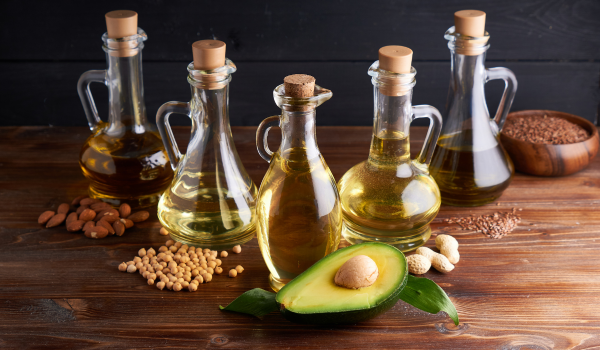
Oils such as olive oil support heart health when used wisely.
Comfort Foods That Support Digestive Health
Digestive comfort plays a major role in overall well-being.
Warm Soups And Stews
Easily digestible and soothing for the stomach.
Fiber-Rich Ingredients
Vegetables, legumes, and whole grains support digestion.
Fermented Foods In Small Amounts
They promote gut health and balance.
Gentle Cooking Methods
Steaming and simmering are easier on digestion.
Healthy Comfort Foods For Busy Weeknights
Comfort does not require complicated cooking.
One-Pot Meals
Simple meals reduce prep time and cleanup.
Sheet-Pan Dinners
Balanced meals made with minimal effort.
Slow Cooker Options
Convenient meals that cook while you focus on other tasks.
Pre-Prepped Ingredients
Washed vegetables and ready proteins save time.
Comfort Foods That Support Energy And Focus
Comfort food can also support productivity.
Balanced Carbohydrates For Sustained Energy
Whole grains provide steady fuel.
Protein For Mental Clarity
Protein supports concentration and focus.
Healthy Fats For Brain Function
Fats help maintain cognitive performance.
Hydration Alongside Meals
Fluids support digestion and energy levels.
Making Comfort Foods Healthier Without Losing Flavor
Flavor does not need to be sacrificed.
Use Herbs And Spices Generously
They enhance taste without excess salt or sugar.
Swap Heavy Creams For Lighter Options
Alternatives maintain texture and flavor.
Increase Vegetable Content
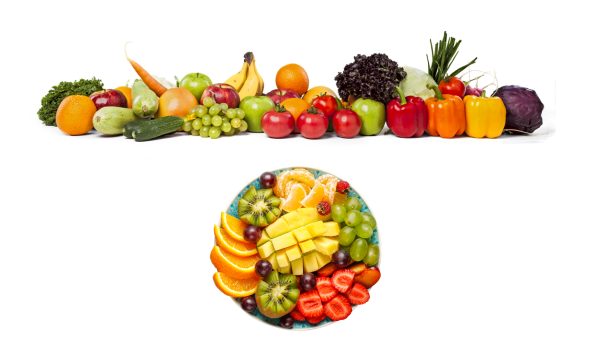
Vegetables add volume and nutrients.
Control Portion Sizes Thoughtfully
Enjoyment increases when portions feel satisfying, not excessive.
Comfort Foods That Fit Into A Balanced Lifestyle
Balanced eating allows room for comfort foods.
Include Comfort Foods Mindfully
Enjoy them without guilt or restriction.
Pair Comfort Foods With Nutrient-Rich Sides
Balance helps regulate energy.
Avoid Labeling Foods As Good Or Bad
Neutral language supports a healthier mindset.
Focus On Overall Patterns
Long-term habits matter more than single meals.
Making Comfort Foods Part Of Everyday Eating
Comfort foods can be part of daily life.
Rotate Favorite Meals
Variety prevents boredom and supports nutrition.
Adapt Recipes To Fit Your Needs
Adjust ingredients based on health goals.
Keep Cooking Enjoyable
Enjoyment encourages consistency.
Share Meals With Others
Connection enhances the comfort experience.
The Role Of Mindful Eating In Comfort Food Choices
Mindfulness enhances satisfaction.
Eat Without Distractions
Focus improves enjoyment and awareness.
Savor Flavors And Textures
Mindful eating increases satisfaction.
Recognize Fullness Cues
Listening to the body supports balance.
Appreciate The Experience
Enjoying food enhances emotional well-being.
Building A Sustainable Relationship With Comfort Foods
Long-term success depends on balance.
Allow Flexibility Without Guilt
Moderation supports sustainability.
Focus On Overall Quality
Most meals should support health.
Adapt To Life Changes
Flexibility helps maintain habits.
Celebrate Nourishment, Not Restriction
Food should support both body and mind.
Conclusion
Healthy comfort foods offer the best of both worlds: nourishment and enjoyment. By choosing wholesome ingredients, using mindful preparation methods, and maintaining balance, comfort foods can support both physical health and emotional well-being. Eating well does not require giving up favorite meals. With thoughtful choices, comfort food can remain a satisfying and nourishing part of everyday life.

.png)

















.png)
.png)
.png)
.png)

.png)
.png)
.png)
.png)
.png)
.png)
.png)
.png)
.png)
.png)



.png)
.png)
.png)
.png)

