
Soursop, also known as graviola (Annona muricata), is a tropical fruit recognized for its spiky green skin and soft, creamy pulp. Native to tropical regions of the Americas, it has long been used in traditional medicine and is now gaining attention for its potential health benefits.
This fruit contains vitamins, minerals, antioxidants, and plant compounds that may support overall wellness. However, most scientific evidence is still limited, and moderation is key.
May Help Support Blood Sugar Balance
Soursop may help regulate blood sugar levels due to its natural bioactive compounds. Some laboratory research suggests that compounds found in soursop can inhibit enzymes involved in carbohydrate digestion, potentially slowing glucose absorption.
This process may help reduce sharp spikes in blood sugar after meals. However, human studies are still limited, and more research is needed before firm conclusions can be made.
May Help Reduce Inflammation
Soursop contains vitamin C and various antioxidants that may help reduce inflammation in the body. Chronic inflammation is linked to many health conditions, including heart disease, arthritis, and metabolic disorders.
The antioxidant compounds found in soursop help neutralize free radicals, which can damage cells and contribute to long-term inflammation.
May Support Antibacterial Activity
Some laboratory studies suggest that soursop extracts may help inhibit the growth of certain harmful bacteria. These antimicrobial properties are believed to come from bioactive plant compounds found in the fruit and its leaves.
While these findings are promising, clinical research in humans is still needed before any medical claims can be made.
May Help Support Healthy Blood Pressure
Soursop contains naturally occurring compounds that may support healthy blood pressure levels by influencing enzymes involved in blood vessel regulation.
Small studies suggest that consuming soursop products may contribute to modest reductions in blood pressure. However, further research is required to confirm long-term effects and safety.
May Support Cellular Health and Protection
Soursop is rich in antioxidants such as flavonoids, phenolic compounds, and acetogenins. These compounds help protect cells from oxidative damage caused by free radicals.
Reducing oxidative stress may support overall cellular health and help lower the risk of chronic diseases when combined with a balanced lifestyle.
Supports Digestive Health
Soursop provides a significant amount of dietary fiber, which plays an essential role in digestion. Fiber helps regulate bowel movements, supports beneficial gut bacteria, and promotes digestive comfort.
A fiber-rich diet has also been associated with a lower risk of digestive disorders and improved gut health overall.
Nutritional Profile of Soursop
One cup (approximately 233 grams) of raw soursop provides:
-
Calories: 148
-
Fat: 0.7 g
-
Carbohydrates: 37.8 g
-
Fiber: 7.4 g (about 26% of the Daily Value)
-
Protein: 2.25 g
-
Vitamin C: 12.3 mg (13.7% DV)
-
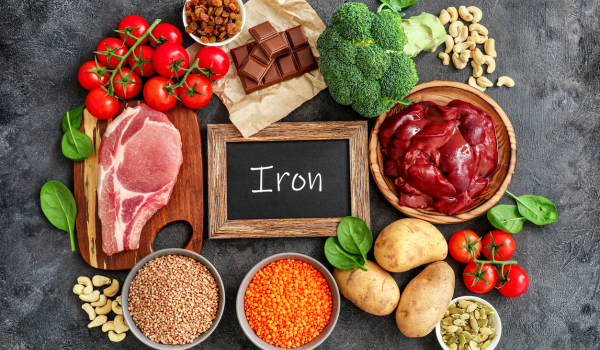
Iron: 2.63 mg (32.8% DV)
-
Magnesium: 93.2 mg (22.2% DV)
-
Potassium: 287 mg (8.4% DV)
-
Phosphorus: 86.2 mg (12.3% DV)
Soursop also contains small amounts of folate, B vitamins, and antioxidants that support overall health.
Possible Risks and Considerations
Although soursop is generally safe when eaten occasionally, excessive intake may pose risks.
Certain compounds in soursop, particularly acetogenins, may negatively affect the nervous system when consumed in large amounts over long periods. Some research suggests a possible link between frequent consumption and neurological conditions.
Additionally, the seeds are toxic and should never be eaten. People with neurological conditions or those taking medications should consult a healthcare provider before consuming soursop regularly.
Tips for Enjoying Soursop Safely
Soursop has a mildly sweet and tangy flavor and can be enjoyed in many ways:
-
Eat the flesh fresh after removing the seeds
-
Blend into smoothies or juices
-
Use in frozen desserts or sorbets
-
Mix into yogurt or fruit bowls
Storage tips:
Choose fruit that is slightly soft when pressed. Store whole fruit at room temperature until ripe, then refrigerate and consume within a few days.


.png)













.png)
.png)
.png)
.png)


.png)
.png)
.png)
.png)
.png)
.png)
.png)
.png)
.png)
.png)




.png)
.png)
.png)
.png)