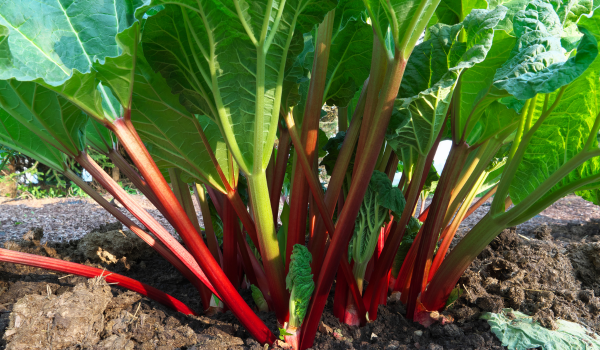
Rhubarb (Rheum rhabarbarum) is a perennial vegetable known for its vibrant red stalks and tart flavor. While often used in desserts, rhubarb also offers impressive health benefits. It has been used in Traditional Chinese Medicine for thousands of years and contains fiber, antioxidants, and essential vitamins that support digestive, bone, and heart health.
However, only the stalks are edible—the leaves are toxic and should never be consumed.
Helps Relieve Constipation
Rhubarb is naturally rich in dietary fiber, which plays an important role in digestive health. Fiber helps add bulk to stool and draws water into the intestines, making bowel movements easier and more regular.
Traditional Chinese medicine has long used rhubarb as a natural laxative. This effect is due to compounds called anthraquinones, which stimulate intestinal movement and promote bowel activity.
Research shows that rhubarb may help relieve constipation even in individuals with severe digestive slowdown. Drinking enough water is essential when increasing fiber intake to prevent discomfort.
Rich in Antioxidants
Rhubarb contains powerful antioxidants that help neutralize harmful free radicals. Free radicals are unstable molecules produced during normal bodily processes such as metabolism, physical activity, and exposure to pollution.
When free radicals accumulate, they can contribute to oxidative stress, which is linked to chronic conditions like heart disease, cancer, diabetes, and neurodegenerative disorders.
Rhubarb is especially rich in phenolic compounds and anthocyanins—the pigments responsible for its red color. These antioxidants help reduce inflammation and protect cells from damage.
Supports Bone Health
Rhubarb is an excellent source of vitamin K, a nutrient essential for maintaining strong bones. Vitamin K supports bone mineralization and helps regulate proteins involved in bone formation.
Low vitamin K intake has been linked to reduced bone density and a higher risk of fractures. Including vitamin K–rich foods like rhubarb may support bone strength and long-term skeletal health.
Vitamin K also plays a role in blood clotting, making it essential for proper wound healing.
Nutritional Value of Rhubarb
Rhubarb is low in calories while offering a variety of essential nutrients. One cup of diced rhubarb provides approximately:
-
Calories: 25
-
Fat: 0.2 g
-
Sodium: 5 mg
-
Carbohydrates: 5.5 g
-
Fiber: 2.2 g (8% DV)
-
Protein: 1.1 g
-
Vitamin K: 36 mcg (29% DV)
-
Vitamin C: 9.7 mg (11% DV)
-
Manganese: 0.24 mg (10% DV)
Rhubarb also contains small amounts of calcium, potassium, vitamin A, vitamin E, folate, and B vitamins.
Vitamin C supports immune function and collagen production, while manganese contributes to energy metabolism, bone development, and antioxidant defense.
Using Rhubarb as a Supplement
Rhubarb extract is sometimes used in supplement form for digestive support and kidney health. However, long-term supplementation is not recommended.
Certain compounds in rhubarb can irritate the digestive tract when taken in large amounts and may place stress on the liver and kidneys. Because of these risks, it’s safest to consume rhubarb in food form rather than as a concentrated supplement.
Potential Risks of Rhubarb
While rhubarb stalks are safe to eat, the leaves are toxic and should never be consumed. They contain high levels of oxalic acid and other compounds that can cause serious health issues.
Possible symptoms of rhubarb leaf toxicity include:
-
Difficulty breathing
-
Burning sensation in the mouth or throat
-
Nausea or vomiting
-
Diarrhea
-
Kidney problems
-
Seizures
Rhubarb also contains oxalates, which may increase the risk of kidney stones in sensitive individuals. Pairing rhubarb with calcium-rich foods and limiting sodium intake may help reduce this risk.
People with allergies to rhubarb should seek medical attention if symptoms such as swelling, hives, or difficulty breathing occur.
Tips for Eating Rhubarb
Rhubarb has a unique tart flavor that pairs well with sweet or savory dishes. Here are simple ways to enjoy it:
-
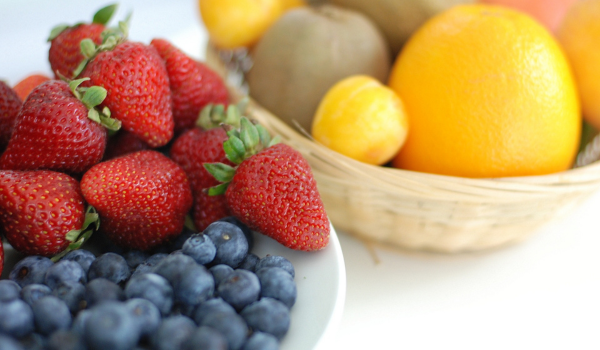
Add rhubarb to strawberry-based desserts
-
Simmer rhubarb into sauces or jams
-
Mix chopped rhubarb into yogurt or oatmeal
-
Blend into smoothies with fruit
-
Roast with honey or maple syrup
-
Use in chutneys or compotes
Always remove and discard the leaves before cooking or eating rhubarb.

.png)
.png)
.png)
.png)
.png)
.png)
.png)
.png)
.png)
.png)
.png)
.png)
.png)
.png)
.png)


.png)
.png)
.png)
.png)