
Manganese is a trace mineral, meaning your body needs it in small amounts compared with major minerals. Even so, manganese is essential for many critical processes, including immune support, blood sugar balance, digestion, reproduction, bone formation, blood clotting, and antioxidant defense.
Manganese is widely available in both plant and animal foods such as nuts, seeds, seafood, fruits, and beans. Because it is so common in the food supply, deficiency is rare, and most people can maintain healthy levels through a balanced diet.
Potential Benefits of Manganese
Manganese acts as a cofactor for many enzymes. Cofactors are nutrients that bind to enzymes and allow them to function properly. Through this role, manganese supports numerous biological processes throughout the body.
Necessary for Cellular Protection
Manganese is a key component of the body’s antioxidant defense system.
antioxidant enzyme support
Manganese is required to activate manganese superoxide dismutase (MnSOD), one of the most important antioxidant enzymes in the body. MnSOD is located in the mitochondria, where it helps protect cells from damage caused by reactive oxygen species.
By reducing oxidative stress, manganese helps maintain healthy cellular function and may lower the risk of inflammation-related, neurodegenerative, and vascular conditions.
Involved in Metabolism and Reproduction
Manganese supports how your body processes nutrients and produces energy.
energy and blood sugar regulation
Manganese activates enzymes involved in carbohydrate, protein, and fat metabolism. These enzymes help your body convert food into usable energy.
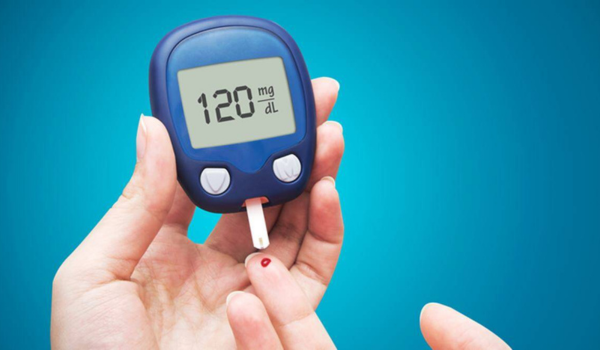
Manganese is also required for enzymes involved in gluconeogenesis, the process by which your body produces glucose from non-carbohydrate sources during fasting or low-carb intake. This process is essential for maintaining stable blood sugar levels.
hormone production and fertility
Manganese plays a role in cholesterol synthesis. Cholesterol is a precursor to steroid hormones such as estrogen and testosterone, which are vital for both male and female reproductive health.
Supports Bone, Cartilage, and Wound Healing
Manganese is essential for maintaining skeletal integrity and tissue repair.
bone and cartilage formation
Manganese helps produce proteoglycans, which are critical structural components of bone and cartilage. It also regulates the activity of bone-building and bone-breaking cells, helping maintain healthy bone remodeling.
collagen production
Manganese activates enzymes involved in collagen synthesis. Collagen is a major component of bones, skin, and connective tissue. Without adequate manganese, collagen production may be impaired, leading to slower wound healing and compromised skin and bone health.
How Much Manganese Do You Need Per Day?
Manganese does not have a Recommended Dietary Allowance because available data is insufficient to determine exact requirements. Instead, Adequate Intake (AI) levels are used as daily intake targets.
adequate intake guidelines
-
Infants (birth–6 months): very small amounts
-
Young children: approximately 1–1.5 mg per day
-
Teen males: about 2.2 mg per day
-
Teen females: about 1.6 mg per day
-
Adult males: about 2.3 mg per day
-
Adult females: about 1.8 mg per day
-
Pregnancy: about 2.0 mg per day
-
Lactation: about 2.6 mg per day
Most people meet these needs through food alone.
Good Sources of Manganese
Manganese is found in a wide variety of foods.
foods rich in manganese
-
Shellfish such as mussels and clams
-
Nuts like hazelnuts and pecans
-
Whole grains such as brown rice and oats
-
Legumes including chickpeas
-
Leafy greens like spinach
-
Fruits such as pineapple and blueberries
-
Potatoes with the skin
Because manganese is present in so many foods, most diets naturally provide sufficient amounts.
Supplements
Manganese is available as a standalone supplement and as part of many multivitamins.
who may need supplements
Most people do not need manganese supplements because deficiency is extremely rare. Multivitamins typically provide small amounts, while single-mineral supplements may contain higher doses.
If supplementation is necessary, a healthcare provider can help determine the appropriate form and dosage based on individual needs.
Potential Risks and Side Effects
Manganese from food is considered safe.
toxicity considerations
Manganese toxicity is rare from dietary intake but may occur through occupational exposure, such as inhaling manganese dust, or from contaminated drinking water.
Excess manganese primarily affects the nervous system and may cause symptoms such as tremors, muscle spasms, headaches, appetite loss, mood changes, and hearing problems.
To reduce risk, an upper intake level has been established for adults. Staying below this limit helps ensure safety.
Manganese Deficiency
Manganese deficiency is extremely uncommon.
possible deficiency effects
Low manganese levels may negatively affect bone strength, growth, skin health, reproductive function, and metabolism. Experimental observations suggest deficiency may lead to skin rashes, weakened bones, and altered cholesterol metabolism.
There are currently no specific populations known to be at high risk for manganese deficiency.
A Quick Review
Manganese is a trace mineral essential for immune health, metabolism, antioxidant defense, reproduction, bone strength, and wound healing. It is widely available in plant and animal foods, making deficiency rare.
Most people can meet their manganese needs by following a varied, well-balanced diet without relying on supplements.


.png)

















.png)
.png)
.png)
.png)


.png)
.png)
.png)
.png)
.png)
.png)
.png)
.png)
.png)
.png)




.png)
.png)
.png)
.png)