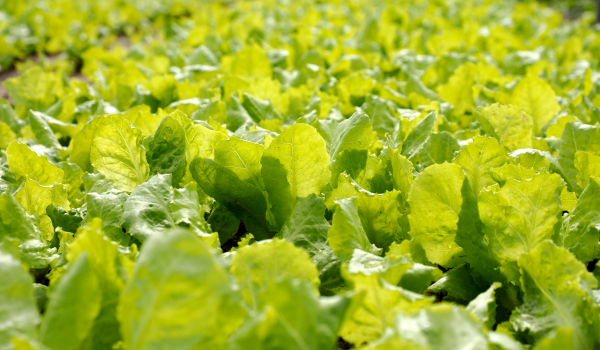
Lettuce (Lactuca sativa L.) is a leafy vegetable rich in antioxidants, folate, vitamin C, and other essential nutrients. Adding lettuce to your diet may support overall health and lower disease risk.
Rich In Vitamins And Minerals
Folate Supports Cell Growth
Lettuce provides folate, a B vitamin needed for red blood cell formation and DNA creation. Needs rise significantly during pregnancy, and romaine lettuce offers a meaningful portion of the daily requirement for both pregnant and non-pregnant adults.
Vitamin A For Immunity And Development
Romaine lettuce is an excellent source of vitamin A, supplying more than 20% of daily needs per cup. This vitamin supports growth, reproduction, immune function, and eye health.
Packed With Antioxidants
Neutralizes Harmful Free Radicals
Lettuce contains carotenoids, phenolic acids, and flavonoids. These antioxidants help protect against oxidative stress—a condition linked to chronic diseases and faster aging.
Linked To Reduced Disease Risk
People with higher carotenoid levels have been shown to face lower risks of some cancers. Compounds in lettuce may also support heart, brain, and eye health and help guard against neurodegenerative decline.
Supports Weight Management
Low Calories And High Hydration
Lettuce is 94–95% water and contains fewer than 10 calories per cup, making it an ideal option for nutrient-dense, low-calorie meals.
Promotes Satiety
Eating low-calorie, fiber-rich foods can help fill you up without excess calories, making lettuce a helpful component of a weight-conscious diet.
Supports Strong Bones
Vitamin K For Bone Integrity
Lettuce is a natural source of vitamin K, which helps activate proteins needed to build, strengthen, and maintain bone structure. Adequate intake supports skeletal health across the lifespan.
May Improve Mental Well-Being
Raw Veggies And Mood Benefits
Observational data suggests a connection between higher raw vegetable intake and improved mental health outcomes. Lettuce was identified among the top raw foods linked to lower depression risk and higher life satisfaction.
What Nutrients Does Lettuce Provide?
A cup of shredded romaine lettuce supplies small but meaningful amounts of vitamins and minerals with minimal calories and sodium. Lettuce is a strong source of vitamins A and K and provides folate along with trace fiber, potassium, iron, and vitamin C.
Possible Risks To Consider
Foodborne Illness Risk
Like many fresh vegetables, lettuce can carry harmful bacteria if not washed properly. Safe handling—rinsing thoroughly, storing correctly, and separating from raw meats—is essential.
Allergic Reactions Are Rare
A small number of people may have lettuce allergy, particularly those sensitive to lipid transfer proteins (LTP). Symptoms can vary from mild irritation to severe reactions.
Easy Ways To Eat More Lettuce
You can use lettuce far beyond traditional salads. Try adding it to grain bowls, noodle dishes, wraps, or stir-fry bases. Use romaine in smoothies or juices, grill whole heads for a smoky side, or stuff leaves with taco-style fillings.
Types Of Lettuce To Try
Lettuce comes in several varieties—romaine (cos), butterhead, leaf, crisphead, stalk, Latin, and oilseed. Some varieties, such as romaine, hold up well to heat; others like butterhead are tender and best served raw.


.png)




.png)
.png)
.png)
.png)
.png)
.png)
.png)
.png)
.png)
.png)
.png)
.png)
.png)
.png)



.png)
.png)
.png)
.png)