
.png)
Feeling tired or drained throughout the day is a common experience, especially in busy modern lifestyles. Many people rely on caffeine or quick snacks to push through fatigue, but these quick fixes rarely provide lasting energy. True, sustained energy comes from consistent food habits that support the body’s natural rhythms. By understanding how food affects energy levels and making small, intentional choices, it becomes possible to stay energized, focused, and productive from morning to night.
Why Energy Levels Fluctuate During The Day
Energy naturally rises and falls, but certain habits can make these swings more extreme.
Blood Sugar Fluctuations Affect Energy
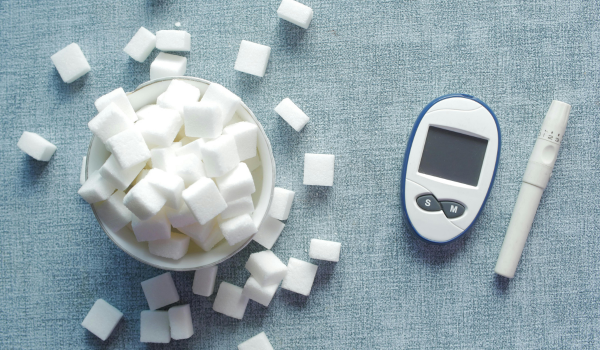
Rapid spikes and drops in blood sugar often cause fatigue.
Irregular Eating Patterns Disrupt Stability
Skipping meals can lead to energy crashes.
Poor Nutrient Intake Reduces Efficiency
The body needs proper fuel to function well.
Lifestyle Factors Influence Energy Levels
Sleep, stress, and hydration all play key roles.
The Role Of Balanced Meals In Sustained Energy
Balanced meals help regulate energy throughout the day.
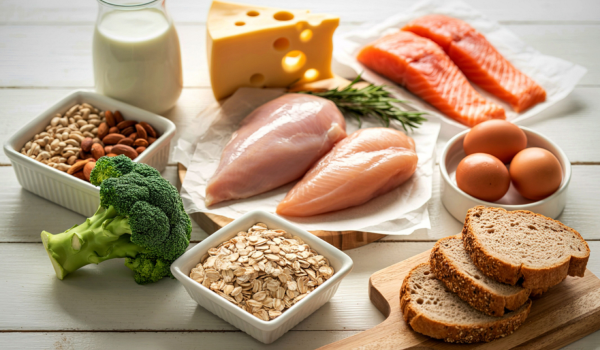
Protein Supports Steady Energy Release
Protein helps slow digestion and prevent energy dips.
Complex Carbohydrates Provide Lasting Fuel
Whole grains and fiber-rich foods release energy gradually.
Healthy Fats Support Long-Lasting Satiety
Fats help stabilize energy between meals.
Balanced Meals Prevent Energy Crashes
A combination of nutrients keeps energy steady.
Why Skipping Meals Can Drain Your Energy
Skipping meals often backfires.
Energy Levels Drop Quickly
The body lacks fuel to maintain focus.
Hunger Signals Become Stronger
Extreme hunger can lead to overeating later.
Mental Performance Declines
The brain requires consistent fuel.
Irregular Eating Disrupts Metabolism
Consistency supports metabolic balance.
The Importance Of Eating At Regular Intervals
Regular eating supports sustained performance.
Consistent Timing Supports Energy Stability
Regular meals prevent extreme highs and lows.
Predictable Fuel Helps The Body Adapt
Routine improves metabolic efficiency.
Smaller, Balanced Meals Work Well
Frequent nourishment supports alertness.
Routine Reduces Fatigue
The body thrives on predictability.
How Protein Supports All-Day Energy
Protein plays a key role in maintaining energy.
Slows Digestion For Lasting Fuel
Protein helps extend energy release.
Supports Muscle Function
Muscles require protein for endurance.
Reduces Sudden Energy Drops
Protein stabilizes blood sugar levels.
Improves Satiety And Focus
Feeling full helps maintain concentration.
The Importance Of Fiber For Steady Energy
Fiber helps regulate digestion and energy.
Slows Carbohydrate Absorption
This prevents sudden blood sugar spikes.
Supports Digestive Health
A healthy gut improves energy efficiency.
Promotes Fullness And Satisfaction
Fiber reduces frequent hunger.
Supports Long-Term Energy Balance
Consistent fiber intake stabilizes energy.
How Healthy Fats Support Energy Levels
Fats play an important role in sustained energy.
Provide Long-Lasting Fuel
Fats release energy slowly over time.
Support Nutrient Absorption
Certain vitamins require fat for absorption.
Improve Meal Satisfaction
Fats help meals feel complete.
Support Brain Function
Healthy fats are essential for focus.
The Role Of Hydration In Energy Levels
Hydration directly affects how energized you feel.
Even Mild Dehydration Causes Fatigue
Low fluid levels reduce alertness.
Water Supports Nutrient Transport
Hydration helps nutrients reach cells.
Proper Hydration Improves Concentration
Focus improves with adequate fluids.
Regular Hydration Supports Endurance
Consistent intake maintains energy.
Smart Snacking For Sustained Energy
Snacking can help maintain energy when done intentionally.
Choose Balanced Snacks
Combine protein, fiber, and fats.
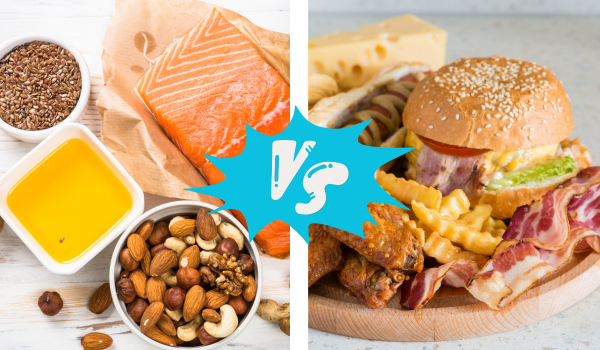
Avoid High-Sugar Snacks
They lead to quick energy crashes.
Snack When Genuinely Hungry
Listen to your body’s signals.
Plan Snacks Ahead
Preparation prevents poor choices.
How Meal Timing Impacts Energy Levels
When you eat matters as much as what you eat.
Start The Day With Nourishment
Breakfast supports early energy.
Avoid Long Gaps Between Meals
Consistent fueling maintains focus.
Time Meals Around Activity Levels
Fuel when energy demand is high.
End The Day With Balanced Intake
Evening meals influence next-day energy.
Lifestyle Habits That Support Energy
Food works best alongside supportive habits.
Quality Sleep Restores Energy
Sleep allows the body to recover.
Movement Boosts Circulation
Physical activity improves energy flow.
Stress Management Preserves Energy
Lower stress reduces fatigue.
Consistent Routines Support Stability
Predictability improves energy regulation.
Avoiding Common Energy Drainers
Certain habits drain energy unnecessarily.
Excessive Caffeine Use
Too much caffeine can disrupt energy balance.
Highly Processed Foods
These often cause quick crashes.
Skipping Meals Regularly
Leads to inconsistent energy.
Poor Sleep Habits
Sleep loss compounds fatigue.
Building Energy-Supportive Eating Habits
Small changes lead to lasting energy.
Focus On Consistency Over Perfection
Consistency sustains results.
Make Gradual Adjustments
Small steps are more sustainable.
Listen To Your Body’s Signals
Your body communicates its needs.
Create Habits That Fit Your Lifestyle
Personalized habits work best.
How To Maintain Energy During Busy Days
Busy days require smart planning.
Prepare Simple Meals In Advance
Preparation reduces stress.
Keep Nutritious Foods Accessible
Visibility encourages good choices.
Stay Hydrated Throughout The Day
Hydration supports alertness.
Take Short Breaks When Possible
Brief breaks restore energy.
Conclusion
Maintaining steady energy throughout the day does not require complicated diets or extreme changes. By building simple, consistent food habits that support balanced nutrition, hydration, and regular eating patterns, it becomes easier to feel energized and focused. When food choices support your body’s natural rhythms, energy becomes more stable, sustainable, and reliable. Small daily habits can make a powerful difference in how you feel, perform, and live each day.


.png)














.png)
.png)
.png)
.png)

.png)
.png)
.png)
.png)
.png)
.png)
.png)
.png)
.png)
.png)



.png)
.png)
.png)
.png)

