
Long-term health is rarely shaped by dramatic diets or sudden lifestyle overhauls. Instead, it grows from small, steady choices practiced day after day. What you eat consistently matters more than occasional indulgences or short-lived health kicks. By developing everyday food habits that nourish your body gently and sustainably, you can support your health, energy, and well-being now and in the future.
Why Daily Habits Matter More Than Occasional Diets
Health is built from what you do most of the time—not only what you do on your best days.
Consistency Shapes Metabolism And Energy
Eating balanced meals regularly helps stabilize energy and appetite.
Small Habits Compound Over Time
Even minor improvements accumulate into significant benefits.
Extreme Diets Are Hard To Sustain
Short-term restriction rarely creates lasting health.
Balanced Patterns Support Mental And Emotional Well-Being
Predictable eating habits reduce stress and food anxiety.
Building Balanced Meals As A Foundation
Balanced meals help fuel the body efficiently and protect long-term health.
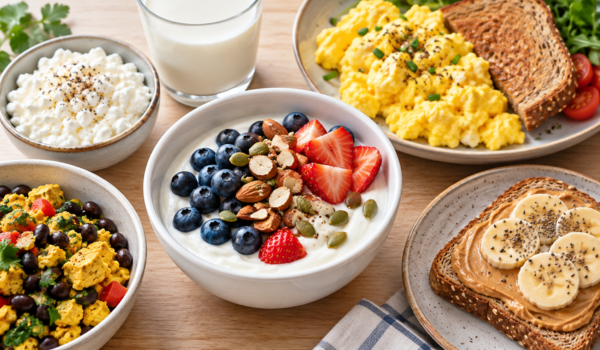
Include Protein At Most Meals
Protein supports muscle repair, satiety, and blood sugar balance.
Choose Complex Carbohydrates For Steady Energy
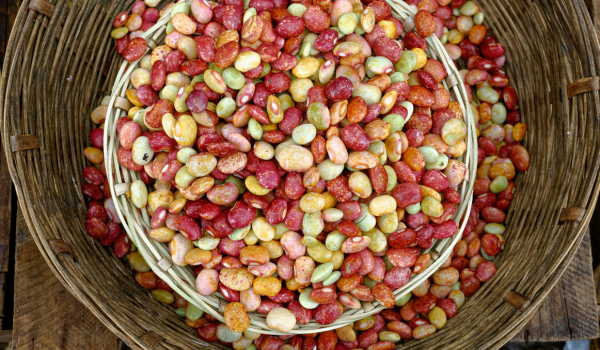
Whole grains, legumes, and starchy vegetables digest slowly.
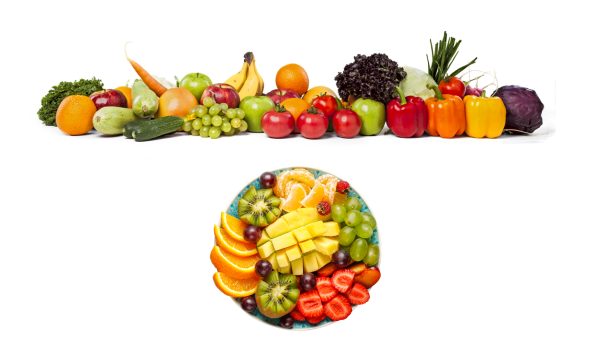
Prioritize Colorful Fruits And Vegetables
Color is a simple guide to nutrient diversity and antioxidants.
Add Healthy Fats For Satisfaction And Absorption
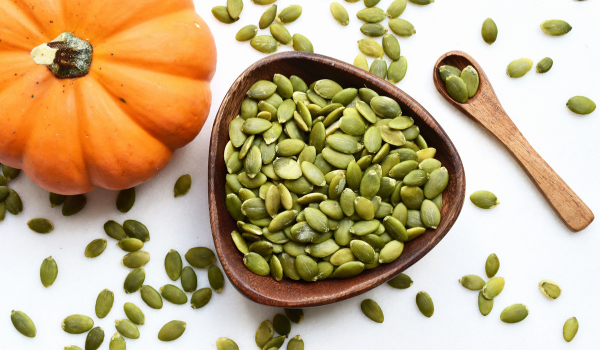
Nuts, seeds, avocados, and olive oil help keep meals satisfying.
Balanced meals form the backbone of long-term nourishment.
Relying Less On Ultra-Processed Foods
Modern food environments make it easy to rely heavily on processed options.
Highly Processed Foods Often Lack Nutrients
They tend to be low in fiber, vitamins, and healthy fats.
Excess Sugar And Salt Can Influence Cravings
Processed foods are engineered to be irresistible.
Convenience Should Support Wellness
Choose prepared foods made from recognizable ingredients.
Gradually Shift Toward Whole Foods
Small swaps—such as fruit instead of pastries—can have long-term benefits.
Whole foods provide the nutrients your body needs to function well.
Filling Half Your Plate With Produce Daily
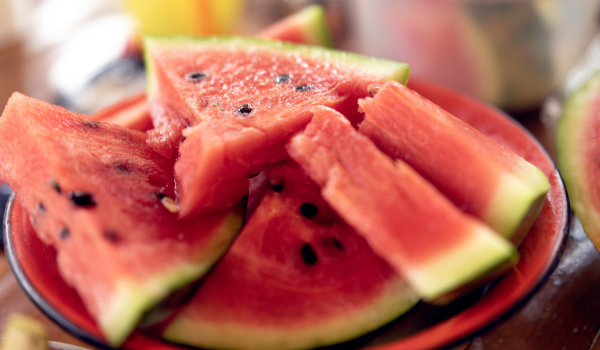
Produce plays a central role in disease prevention and digestive health.
Fruits And Vegetables Provide Fiber
Fiber supports digestion and gut balance.
Antioxidants Help Protect Cells
These nutrients help reduce long-term inflammation.
Variety Supports Nutrient Diversity
Different colors provide different vitamins and minerals.
Fresh, Frozen, Or Canned All Count
Choose whichever form fits your lifestyle.
Even a few extra servings a day can create meaningful improvement.
Eating Mindfully To Stay Connected To Your Needs
Mindfulness helps guide what, when, and how much you eat.
Slow Down And Savor Each Bite
Time allows for better digestion and awareness.
Notice Hunger And Fullness Cues
Let your body—not external rules—guide intake.
Avoid Eating On Autopilot
Screens and distractions make overeating more likely.
Enjoy Food Without Guilt
Pleasure supports long-term sustainability.
Being present builds trust with your body.
Hydration As A Daily Habit Rather Than An Afterthought
Water plays a vital role in nearly every bodily function.
Hydration Supports Energy Levels
Fatigue often stems from inadequate fluid intake.
Water Helps Regulate Digestion
Fiber needs water to function well.
Thirst Is Often Mistaken For Hunger
Hydration helps with appetite clarity.
Build A Hydration Routine You Enjoy
Carry a water bottle, sip with meals, or flavor water naturally.
Hydration is one of the easiest daily habits to maintain.
Planning Ahead To Support Healthy Choices
Being prepared makes nutritious eating easier and more consistent.
Keep Nutrient-Dense Staples At Home
Beans, whole grains, eggs, and frozen vegetables streamline meal prep.
Batch Cook Or Prep Ingredients
Small amounts of planning reduce daily decision-making.
Build A Rotation Of Easy Go-To Meals
Familiar dishes simplify busy days.
Shop With A Purpose
Having a general plan prevents impulse purchases.
Preparation supports consistency without requiring perfection.
Keeping Snacks Balanced And Intentional
Snacks can either drain energy or support it, depending on what you choose.
Pair Protein And Fiber For Satiety
Apples with nut butter or yogurt with fruit sustain energy longer.
Avoid Snacks That Spike Blood Sugar
Sugary snacks may lead to mid-afternoon energy crashes.
Choose Snacks That Add Nutrients
Think of snacks as mini opportunities to nourish the body.
Place Nutritious Snacks Within Reach
Environment influences habit-building.
Small choices between meals add up over time.
Paying Attention To How Foods Make You Feel
Tuning into your body’s feedback strengthens long-term habits.
Notice Which Meals Leave You Energized
Your body provides information every day.
Observe Foods That Cause Discomfort
Patterns may point to sensitivities or imbalance.
Embrace Trial And Learning
Habits evolve based on experience.
Let Your Body Be Your Guide
Internal wisdom is often more useful than rigid rules.
Listening to your body helps refine habits sustainably.
Allowing Space For Flexibility And Enjoyment
Long-term success depends on balance—not restriction.
Enjoy Celebrations And Favorite Foods
Pleasure is part of a healthy lifestyle.
Make Room For Social Eating
Food connects people and supports emotional wellness.
Avoid “Perfect Eating” Mentality
All-or-nothing thinking often leads to burnout.
Trust That One Meal Does Not Define Your Health
Wellness is the sum of choices over time.
Flexibility helps habits last for years, not weeks.
Why Long-Term Wellness Is A Journey
Health is not a destination—it is an evolving practice.
Your Needs Change Over Time
Age, activity, stress, and life seasons shift nutrition needs.
Sustainable Habits Adapt To Change
Rigid habits break when life changes.
Wellness Grows Through Practice
Repeating supportive behaviors builds confidence.
Patience Makes The Biggest Difference
Progress is gradual, not instant.
Long-term well-being grows from consistency and self-compassion.
Conclusion
Everyday habits—eating balanced meals, drinking water, nourishing with produce, preparing simple foods, and staying mindful—build the foundation for lifelong wellness. You do not need extreme diets or complicated routines to thrive. What matters most is consistency, awareness, and a willingness to nourish your body day after day. Small habits practiced regularly can transform energy, digestion, mood, and overall health for years to come.

.png)














.png)
.png)
.png)
.png)


.png)
.png)
.png)
.png)
.png)
.png)
.png)
.png)
.png)
.png)




.png)
.png)
.png)
.png)