
.png)
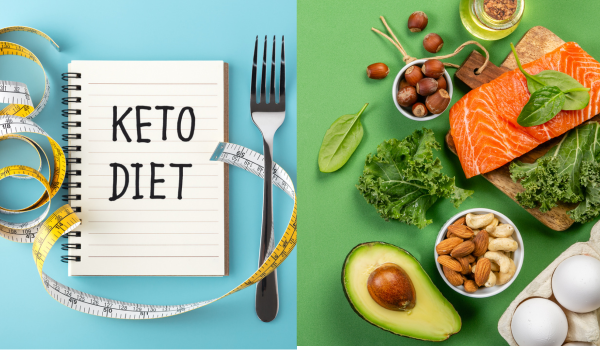
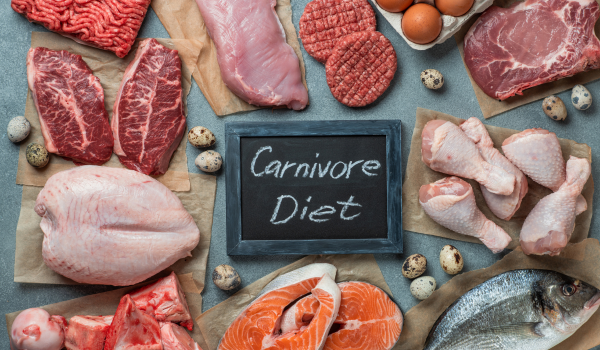
Diet trends come and go, each promising fast results, dramatic transformations, or “perfect” health. While these approaches may seem appealing, they often create stress, confusion, and unrealistic expectations. True healthy eating does not require strict rules, food elimination, or constant tracking. Instead, it focuses on balance, sustainability, and understanding what your body truly needs. Eating well without following rigid diet trends allows you to build a healthier relationship with food that supports long-term well-being.
Why Diet Trends Often Fail In The Long Term
Many popular diets are difficult to maintain over time.
Extreme Restrictions Are Hard To Sustain
Eliminating entire food groups often leads to burnout.
Short-Term Results Do Not Equal Long-Term Health
Rapid changes are rarely sustainable.
Diet Rules Can Disrupt Natural Hunger Cues
Strict plans often override internal signals.
Pressure Creates Guilt And Stress
Feeling “off track” can lead to unhealthy cycles.
Understanding What Healthy Eating Really Means
Healthy eating is flexible and individualized.
There Is No One-Size-Fits-All Diet
Nutritional needs vary by lifestyle, age, and activity level.
Balance Matters More Than Perfection
Consistency over time has a greater impact than rigid rules.
Food Should Support Daily Life
Eating well should fit naturally into routines.
Enjoyment Is Part Of Health
Enjoyable meals encourage long-term consistency.
Moving Away From Food Rules And Restrictions
Letting go of rigid food rules creates freedom.
Food Is Not Morally Good Or Bad
Food choices do not define personal value.
Restriction Often Increases Cravings
Limiting foods can intensify desire.
Flexibility Encourages Sustainability
Balanced choices support long-term habits.
Listening To Your Body Builds Trust
Internal cues guide healthier decisions.
Building Balanced Meals Without Following Trends
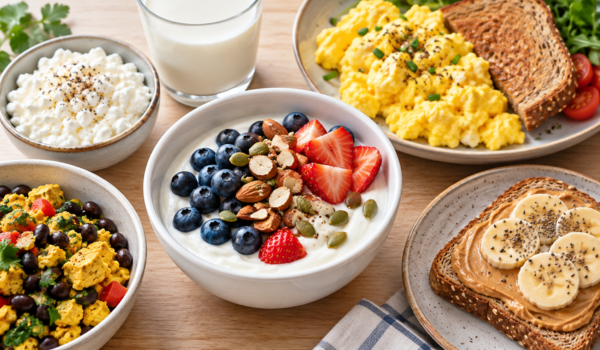
Balanced meals can be simple and satisfying.
Include A Source Of Protein
Protein supports fullness and muscle health.
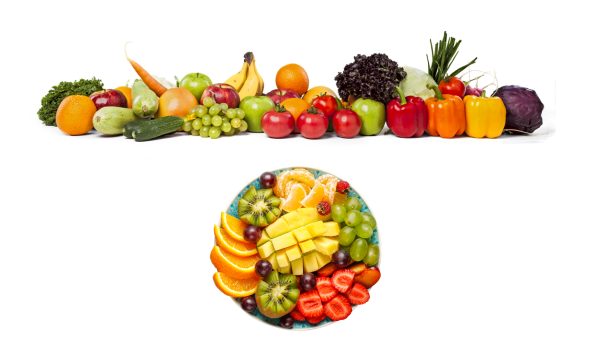
Add Fiber-Rich Foods
Vegetables, fruits, and whole grains support digestion.
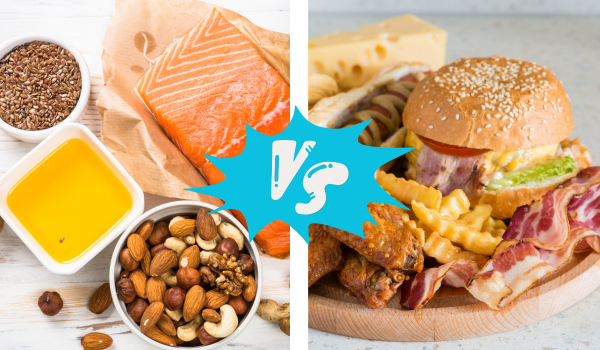
Include Healthy Fats
Fats enhance flavor and nutrient absorption.
Adjust Portions Based On Hunger
Listening to your body helps maintain balance.
How To Eat Well Without Tracking Or Counting
Nutrition does not require constant monitoring.
Focus On Food Quality Over Numbers
Whole foods naturally support health.
Eat Until Comfortably Satisfied
Stop before feeling overly full.
Trust Hunger And Fullness Signals
Your body provides reliable guidance.
Use Awareness Instead Of Rules
Mindfulness supports better choices.
Finding Enjoyment In Everyday Meals
Enjoyment plays a vital role in sustainability.
Explore New Flavors And Textures
Variety keeps meals interesting.
Cook In Ways That Feel Enjoyable
Choose methods that fit your lifestyle.
Eat Without Distractions When Possible
Awareness enhances satisfaction.
Appreciate The Experience Of Eating
Enjoyment supports healthier habits.
Breaking Free From Diet Culture Messages
Diet culture often promotes unrealistic expectations.
Avoid Comparison With Others
Every body has different needs.
Question Extreme Claims
Quick fixes rarely deliver lasting results.
Focus On Health, Not Appearance
Well-being goes beyond looks.
Build Confidence In Your Choices
Trust grows with experience.
How To Eat Well In Social Situations
Social settings do not require abandoning balance.
Choose Foods You Enjoy Without Guilt
Enjoyment is part of healthy eating.
Respect Your Hunger And Fullness
Eat according to your body’s needs.
Avoid Pressure To Follow Others’ Choices
Your needs may differ.
Focus On Connection Over Perfection
Social enjoyment matters.
Creating Sustainable Eating Habits
Long-term habits matter more than short-term changes.
Start With Small Adjustments
Gradual changes last longer.
Repeat Habits That Feel Good
Enjoyable habits are easier to maintain.
Stay Flexible When Life Changes
Adaptability supports consistency.
Focus On Progress, Not Perfection
Small steps add up over time.
How To Support Health Without Following Trends
Health can be supported in simple ways.
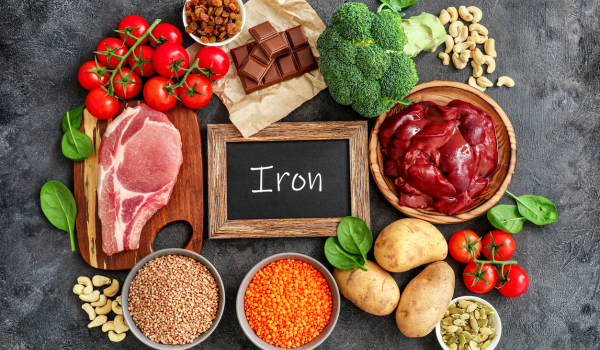
Eat A Variety Of Foods
Diversity supports nutrient intake.
Stay Hydrated
Hydration supports energy and digestion.
Move Your Body Regularly
Movement complements healthy eating.
Prioritize Rest And Recovery
Sleep supports overall wellness.
Building Confidence In Your Food Choices
Confidence grows with awareness and experience.
Trust Your Body’s Signals
Your body communicates its needs.
Release Food Guilt
Guilt undermines healthy habits.
Focus On What Works For You
Personal experience matters most.
Celebrate Consistency Over Perfection
Progress is more important than flawless execution.
Creating A Long-Term Relationship With Food
A healthy relationship with food is built over time.
Allow Food To Be Enjoyable
Enjoyment promotes balance.
Avoid Extreme Thinking
Moderation supports sustainability.
Stay Curious About Your Needs
Learning supports growth.
Choose Health For Life, Not Trends
Long-term thinking leads to success.
Conclusion
Eating well does not require following strict diet trends or rigid rules. By focusing on balance, flexibility, and self-awareness, it becomes possible to nourish the body in a way that supports both physical and mental well-being. When food is approached with curiosity rather than control, healthy eating becomes sustainable, enjoyable, and deeply supportive of long-term health.

.png)










.png)
.png)
.png)
.png)


.png)
.png)
.png)
.png)
.png)
.png)
.png)
.png)
.png)
.png)



.png)
.png)
.png)
.png)

