
Healthy eating is often presented as a set of rules, limits, and “good” or “bad” choices. Many people try to follow strict diets, eliminate favorite foods, or avoid social meals out of fear that one slip will undo their progress. Over time, restriction and guilt can create stress, frustration, and even unhealthy patterns. Eating well does not require perfection or self-denial. It grows from balance, trust, and a calm approach that supports your physical, mental, and emotional well-being.
Why Restriction Makes Eating Feel Harder, Not Easier
Restrictive thinking may seem like a pathway to discipline, but it often leads to the opposite result.
Restriction Triggers Cravings
When certain foods feel “off limits,” the brain becomes more focused on them.
Overly Strict Rules Can Lead To Overeating
Many people end up overeating the very foods they try to avoid.
Restriction Disconnects You From Your Hunger Signals
Rules compete with your body’s natural cues and invite confusion.
Feeling Deprived Can Increase Stress
Food becomes a battleground rather than a source of nourishment.
A flexible approach supports long-term habits far better than rigid restrictions.
Why Food Guilt Shows Up In Modern Eating Culture
Guilt around food is common, often because of pressure and messaging.
Diet Culture Encourages Black-And-White Thinking
Foods are labeled as “good” or “bad,” creating shame for normal choices.
Social Media Promotes Unrealistic Eating Standards
Highlight reels do not reflect everyday eating patterns.
Moral Language Gets Attached To Food
Words like “cheat,” “clean,” or “junk” reinforce guilt.
Guilt Undermines Healthy Motivation
People are less likely to choose nourishing meals when feeling ashamed.
Neutral language helps create a calmer, more supportive relationship with food.
Embracing A Balanced Approach To Healthy Eating
Balance allows food to fuel both your body and your enjoyment of life.
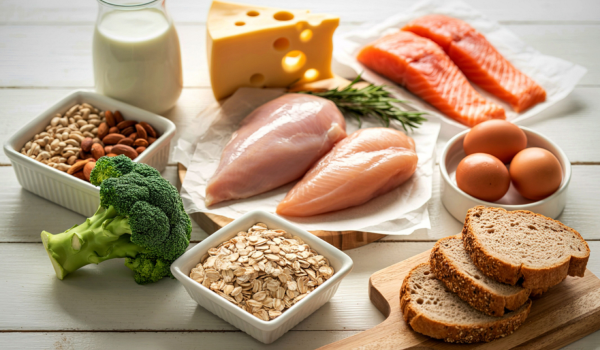
Include A Variety Of Food Groups Regularly
Carbohydrates, fats, and protein all have important roles.
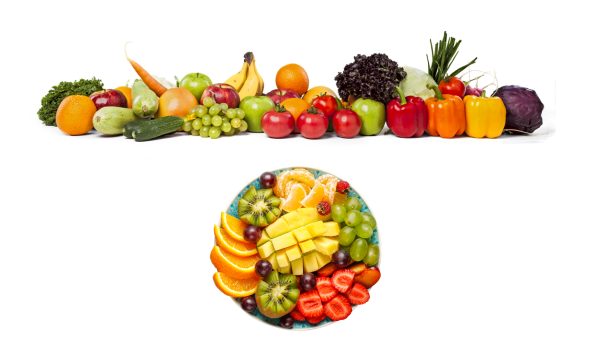
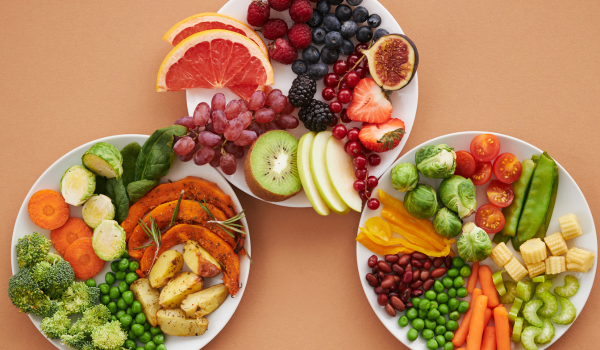
Fruits And Vegetables Provide Vitamins And Fiber
Adding produce supports long-term health naturally.
Whole Grains Offer Sustained Energy
Complex carbohydrates maintain focus and help reduce cravings.
Healthy Fats Support Brain And Hormone Function
Avocados, nuts, and olive oil help round out meals.
Balance creates space for both nourishment and enjoyment.
Listening To Your Body Instead Of External Rules
Your body gives signals that guide when and what to eat—if you are willing to listen.
Hunger Is A Normal Biological Cue
Feeling hungry is not a weakness; it is your body asking for fuel.
Fullness Can Tell You When To Pause
Stop eating when comfort replaces hunger—not when guilt kicks in.
Cravings Provide Useful Information
Sometimes cravings signal emotional needs or nutrient gaps.
Flexible Awareness Replaces Rigid Control
The more you trust your body, the easier decisions become.
Mind-body trust develops slowly but makes eating far more intuitive.
Enjoying Foods You Love Without Feeling Out Of Control
Favorites do not need to disappear to eat healthfully.
Give Yourself Permission To Enjoy Treats
Permission removes urgency and binge-restrict cycles.
Savor Flavor And Texture Mindfully
Pleasure increases satisfaction and often requires less food.
Choose Foods You Truly Enjoy
Skip foods you do not love—it saves energy and attention.
Include Treats Within Meals Rather Than Alone
Dessert with dinner is more grounding than sweets on an empty stomach.
Enjoyment supports a sustainable long-term approach to nutrition.
Creating Gentle Structure Without Pressure Or Perfection
Healthy eating habits help you thrive without turning into rigid rules.
Eat Regular Meals To Support Energy And Mood
Skipping meals often leads to overeating later.
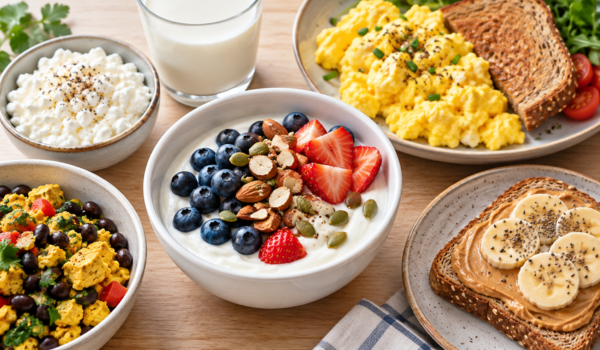
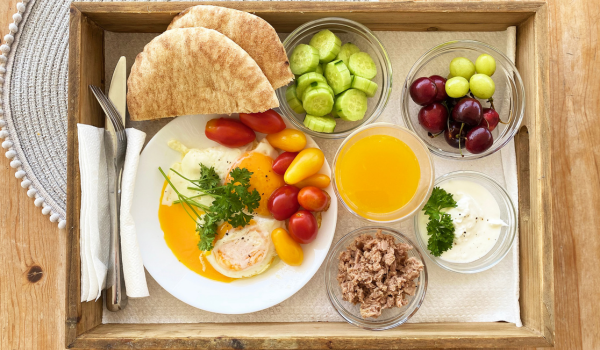
Build Plates That Feel Balanced, Not Perfect
Roughly combine protein, produce, and carbohydrates most of the time.
Plan Enough To Reduce Decision Fatigue
Stocking simple staples can simplify busy days.
Keep Easy, Nourishing Foods Accessible
Convenience works both ways—prep what helps you thrive.
Supportive structure makes healthy choices the easier ones.
Understanding The Emotional Side Of Eating
Food is tied to emotion, comfort, and community—and that is normal.
Eating For Pleasure Is Part Of Being Human
Food bonds families, marks celebrations, and honors traditions.
Emotional Eating Is Not Automatically Negative
Using food to soothe occasionally does not equal failure.
Develop Additional Coping Tools Without Eliminating Comfort Foods
Walking, journaling, or resting give more options.
Practicing Self-Kindness Reduces Urge-Based Choices
The less guilt you feel, the easier it becomes to choose intentionally.
Embrace the emotional connections food brings—they are part of a healthy life.
Removing Rules And Replacing Them With Curiosity
Curiosity encourages learning, not judgment.
Ask What Your Body Needs Instead Of What You “Should” Eat
Needs shift with sleep, stress, and activity.
Notice How Different Foods Make You Feel
Energy, digestion, mood, and satisfaction all provide clues.
Experiment With Portions And Timing
Find what truly works for your body and lifestyle.
Use Each Meal As Learning, Not A Test
Growth comes from reflection, not criticism.
Curiosity helps habits evolve naturally over time.
Celebrating Progress Without Obsessing Over Outcomes
Growth is rarely linear.
Small Daily Changes Create Big Results Over Time
Little steps add up far more than dramatic diet swings.
Notice Wins Instead Of Fixating On Mistakes
Positive reinforcement strengthens new habits.
Health Includes Mental And Emotional Wellness
Reduced stress around food is a meaningful milestone.
Give Yourself Patience And Praise
Progress is more important than perfection.
Wellness habits last longer when practiced with grace.
Conclusion
Eating well without restriction or guilt begins with letting go of rigid rules, embracing balance, and developing trust in your body’s cues. Nourishing your body does not require eliminating favorite foods or following flawless routines. It is about choosing foods that make you feel satisfied, energized, and supported—physically and emotionally—while allowing space for pleasure, culture, and spontaneity. When eating becomes an act of care instead of fear or judgment, long-term health feels more achievable, enjoyable, and sustainable.

.png)







.png)
.png)
.png)
.png)

.png)
.png)
.png)
.png)
.png)
.png)
.png)
.png)
.png)
.png)


.png)
.png)
.png)
.png)