
.png)
Many people believe that eating well requires constant calorie counting, food tracking apps, and strict meal rules. In reality, sustainable healthy eating is far simpler. Portion control focuses on how much you eat rather than obsessing over numbers, making it easier to maintain balance, enjoy food, and support long-term health. By learning to recognize appropriate portions and listening to your body, you can eat well, feel satisfied, and maintain a healthy weight without the stress of counting calories.
Why Portion Control Matters More Than Calorie Counting
Portion control supports healthy eating patterns without mental overload.
Calories Are Difficult To Track Accurately
Restaurant meals, home-cooked dishes, and mixed foods make calorie counting unreliable. Portion control works across all settings without needing exact measurements.
Portion Size Influences Energy Intake
Larger portions naturally lead to higher calorie intake, even when food choices are healthy. Managing portions helps prevent overeating without restriction.
Mental Simplicity Encourages Consistency
Strict calorie tracking often leads to burnout. Portion-based eating is easier to follow long term and supports a healthier relationship with food.
Supports Natural Hunger And Fullness Cues
Portion control encourages awareness of hunger and satiety signals, helping the body regulate intake more effectively.
Understanding Modern Portion Distortion
Portion sizes have changed significantly over time.
How Portions Have Increased Over The Years
Restaurant meals, packaged foods, and even home portions are larger than in previous generations. This shift makes it harder to recognize appropriate serving sizes.
Visual Expectations Shape Eating Habits
Seeing large portions regularly trains the brain to expect more food, even when the body does not need it.
Why “Healthy” Foods Can Still Be Overeaten
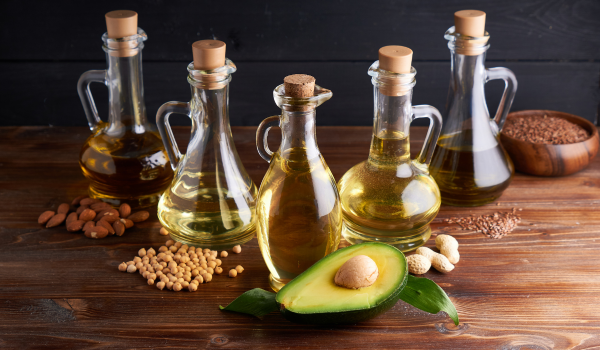
Foods like nuts, oils, and whole grains are nutritious but calorie-dense. Portion awareness is still necessary to maintain balance.
The Plate Method For Easy Portion Control
The plate method is one of the simplest ways to control portions without measuring.
How The Plate Method Works
A standard plate is divided visually into sections that represent ideal food proportions.
Vegetables As Half Of The Plate
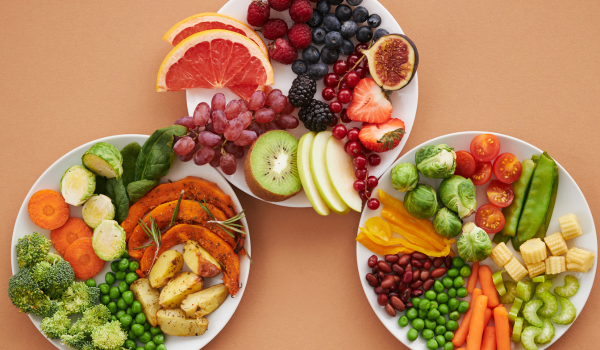
Vegetables should fill about half the plate. They provide fiber, volume, and nutrients with relatively low calorie density.
Protein As One Quarter Of The Plate
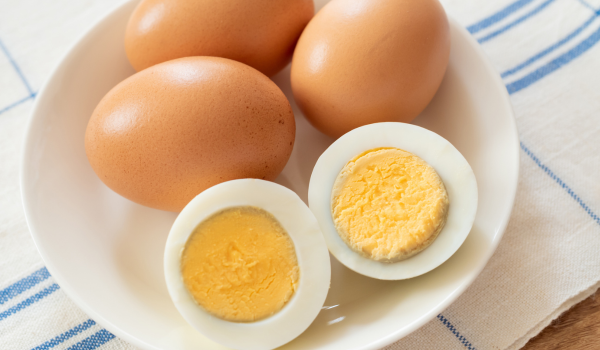
Lean protein supports muscle maintenance, satiety, and stable energy levels.
Carbohydrates As One Quarter Of The Plate
Whole grains, beans, or starchy vegetables provide fuel while maintaining balance.
Healthy Fats In Small Amounts
Healthy fats are added in modest portions, such as olive oil, nuts, or avocado.
Using Hand Measurements For Portion Guidance
Hands provide a portable and practical portion guide.
Palm For Protein
A palm-sized portion of protein is appropriate for most adults at a meal.
Fist For Vegetables
One to two fists of vegetables help support fullness and nutrient intake.
Cupped Hand For Carbohydrates
A cupped hand of grains, rice, or fruit helps regulate carbohydrate intake.
Thumb For Fats
A thumb-sized portion represents a healthy fat serving.
This method adapts naturally to different body sizes and activity levels.
Eating Slowly To Improve Portion Awareness
Speed of eating affects how much you consume.
Why Eating Fast Leads To Overeating
The body takes time to register fullness. Eating quickly often results in eating past comfort levels.
Benefits Of Slower Eating
Slowing down improves digestion, enhances satisfaction, and reduces the likelihood of overeating.
Simple Ways To Slow Down
Putting utensils down between bites, chewing thoroughly, and minimizing distractions during meals support better portion control.
Choosing Foods That Support Natural Portion Control
Food composition influences how full you feel.
High-Fiber Foods Increase Satiety
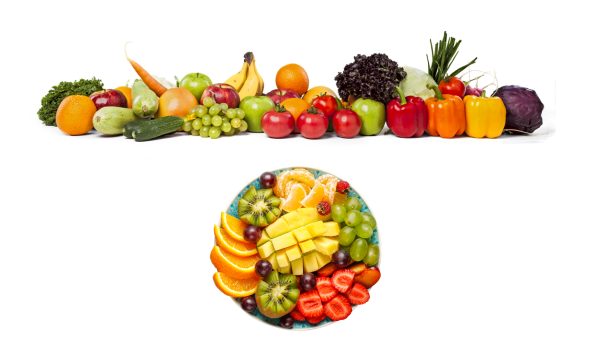
Vegetables, fruits, whole grains, and legumes slow digestion and promote fullness.
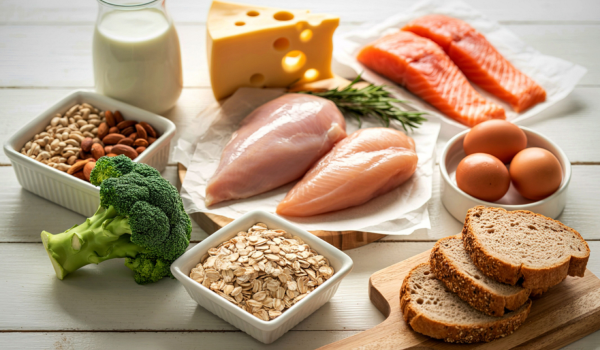
Protein Helps Regulate Appetite
Protein reduces hunger hormones and supports longer-lasting satisfaction.
Healthy Fats Enhance Meal Satisfaction
Including moderate amounts of healthy fats helps meals feel complete and prevents cravings.
Avoiding Highly Processed Foods
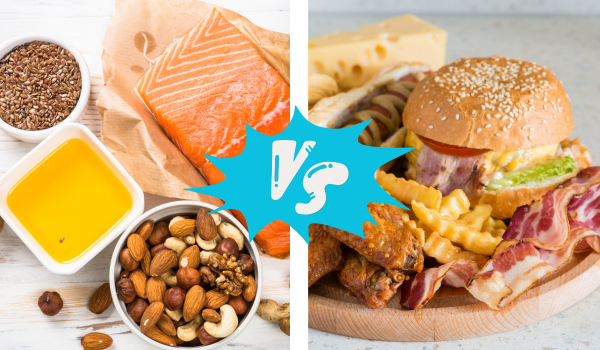
Ultra-processed foods are easy to overeat because they lack fiber and disrupt hunger signals.
Portion Control When Eating Out Or Ordering Takeout
Portion control remains possible outside the home.
Restaurant Portions Are Often Double Or Triple Needs
Recognizing this helps set realistic expectations.
Simple Strategies For Dining Out
Sharing meals, saving half for later, ordering smaller plates, or adding extra vegetables helps control portions.
Mindful Ordering Choices
Choosing grilled, baked, or steamed dishes with vegetables supports balance.
Avoid Eating Directly From Containers
Plating food helps prevent unconscious overeating.
Snacks And Portion Control Between Meals
Snacking can support energy when done intentionally.
Why Mindless Snacking Leads To Excess Intake
Eating from large packages or while distracted increases portion size unintentionally.
Balanced Snack Portions
Combining protein, fiber, and healthy fats improves satisfaction and prevents overeating later.
Examples Of Portion-Controlled Snacks
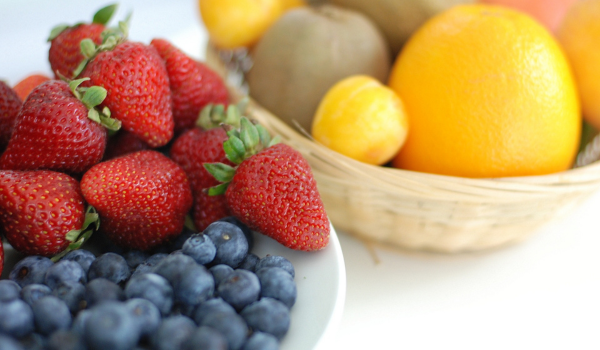
Fruit with nuts
Yogurt with berries
Vegetables with hummus
Cheese with whole grain crackers
Emotional Eating And Portion Awareness
Emotions often influence portion size.
Recognizing Emotional Hunger
Stress, boredom, or fatigue can trigger eating without physical hunger.
Pausing Before Eating
Taking a moment to assess hunger levels helps differentiate physical needs from emotional triggers.
Creating Non-Food Coping Strategies
Walking, breathing exercises, or short breaks help manage emotions without food.
Building Consistent Habits Instead Of Perfection
Long-term success depends on patterns, not rigid rules.
Allowing Flexibility Without Guilt
Occasional larger portions do not undo healthy habits.
Focusing On Meal Balance Over The Day
Balance across meals matters more than perfection at one meal.
Adjusting Portions Based On Activity Level
More active days may require larger portions, while rest days may require less.
Conclusion
Portion control does not require calorie counting, measuring tools, or restrictive rules. By using visual cues, choosing satisfying foods, eating mindfully, and paying attention to hunger signals, it is possible to eat well while maintaining balance and enjoyment. This approach supports long-term health, sustainable weight management, and a healthier relationship with food. Explore more nutrition guides and start applying simple portion control strategies today to build lasting wellness habits.

.png)
.png)
.png)
.png)
.png)
.png)
.png)
.png)
.png)
.png)
.png)
.png)
.png)
.png)
.png)

.png)
.png)
.png)
.png)

