
.png)
Traveling can be exciting, refreshing, and full of new experiences. However, it often disrupts daily routines, especially when it comes to eating well. Whether traveling for work, family obligations, or leisure, many people struggle to maintain balanced nutrition while on the move. Limited food options, irregular schedules, and convenience-based choices can make healthy eating feel challenging. The good news is that eating well while traveling does not require perfection or rigid planning. With the right mindset and practical strategies, it is possible to stay nourished, energized, and satisfied wherever the journey leads.
Why Eating Well Becomes Challenging While Traveling
Travel naturally disrupts daily habits and routines.
Irregular Schedules Affect Meal Timing
Flights, meetings, and long drives can interfere with regular meals.
Limited Food Options Increase Dependence On Convenience Foods
Airports, gas stations, and hotels often prioritize quick options.
Fatigue Can Influence Food Choices
Tiredness often leads to cravings for quick energy.
Social And Cultural Factors Influence Eating Habits
Eating out frequently or attending events can shift food choices.
Understanding What Balanced Eating Looks Like On The Road
Balanced eating does not require perfection.
Focus On Balance Over Precision
Aim for variety rather than exact measurements.
Prioritize Nourishment Over Restriction
Eating enough supports energy and focus.
Accept Flexibility As Part Of Travel
Flexibility reduces stress and improves consistency.
Choose What Is Available And Reasonable
Perfect options are not always necessary.
Planning Ahead For Healthier Travel Eating
Preparation helps support better food choices.
Pack Simple, Portable Snacks
Items like nuts, fruit, or protein bars can prevent hunger.
Research Food Options In Advance
Knowing what is available reduces decision fatigue.
Bring Reusable Containers When Possible
They make it easier to store balanced snacks.
Plan Around Travel Schedules
Anticipating long gaps between meals supports energy.
Making Smart Choices At Airports And Transit Stops
Travel hubs often have limited food options.
Look For Fresh And Whole Options
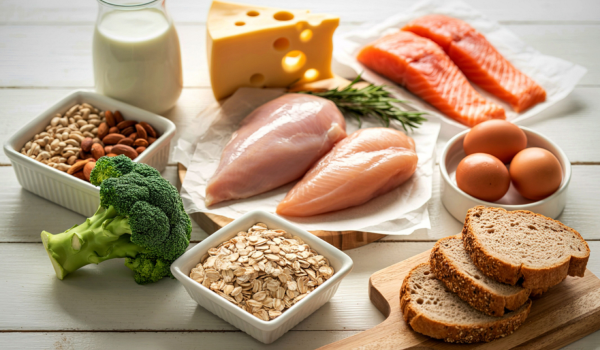
Choose meals with vegetables, lean proteins, and whole grains.
Avoid Relying Solely On Sugary Snacks
They cause energy crashes later.
Balance Meals With Protein And Fiber
This combination supports fullness.
Stay Hydrated While Traveling
Dehydration can feel like hunger or fatigue.
Eating Well At Restaurants While Traveling
Dining out is often part of the travel experience.
Choose Grilled, Baked, Or Steamed Options
These methods typically use less added fat.
Balance Rich Dishes With Lighter Sides
Vegetables help balance heavier meals.
Ask For Modifications When Needed
Simple changes can improve nutrition.
Listen To Hunger And Fullness Cues
Stop eating when comfortably satisfied.
Smart Snacking For Long Travel Days
Snacks play an important role during travel.
Choose Snacks With Protein And Fiber
This helps maintain steady energy.
Avoid Overeating Due To Boredom
Check in with hunger cues before snacking.
Keep Healthy Options Accessible
Easy access encourages better choices.
Avoid Skipping Meals Entirely
Regular nourishment supports focus and comfort.
Staying Hydrated While On The Move
Hydration is often overlooked during travel.
Carry A Refillable Water Bottle
This encourages consistent hydration.
Drink Water Regularly
Small sips throughout the day help maintain balance.
Limit Sugary Or Caffeinated Drinks
Excess caffeine can increase dehydration.
Pay Attention To Thirst Signals
Thirst is a sign your body needs fluid.
Managing Energy Levels During Travel
Energy management is key to enjoyable travel.
Eat Regularly Throughout The Day
Balanced meals prevent energy dips.
Include Complex Carbohydrates
They provide long-lasting fuel.
Avoid Heavy Meals Before Long Periods Of Sitting
Heavy meals can increase fatigue.
Get Enough Rest When Possible
Sleep supports appetite regulation and focus.
Maintaining Healthy Habits Across Time Zones
Traveling across time zones affects eating rhythms.
Adjust Meals Gradually
Transitioning slowly helps the body adapt.
Eat Based On Hunger, Not The Clock
Listening to your body reduces discomfort.
Stay Hydrated To Reduce Fatigue
Hydration supports adjustment.
Keep Meals Light When Needed
Lighter meals are easier to digest during transitions.
Eating Well Without Overthinking
Simplicity supports sustainability.
Focus On What You Can Control
Small choices add up over time.
Avoid Guilt Over Less Ideal Meals
Balance happens over days, not moments.
Trust Your Body’s Signals
Your body guides your needs.
Enjoy The Travel Experience
Food should enhance, not limit, enjoyment.
Building Travel-Friendly Eating Habits
Habits make healthy choices easier.
Establish Go-To Travel Snacks
Consistency simplifies decisions.
Keep Meals Simple And Familiar
Familiar foods provide comfort.
Plan But Stay Flexible
Flexibility supports balance.
Reflect On What Works Best For You
Personal experience guides improvement.
Supporting Overall Wellness While Traveling
Eating well supports more than physical health.
Better Nutrition Improves Energy And Mood
Balanced meals support emotional well-being.
Consistent Eating Supports Digestion
Regular meals improve comfort.
Healthy Choices Enhance Travel Enjoyment
Well-being improves the overall experience.
Balance Creates Sustainability
Sustainable habits reduce stress.
Conclusion
Eating well while traveling or on the road does not require strict rules or perfection. With mindful choices, simple planning, and flexibility, it is possible to support your health wherever you go. By focusing on balance, nourishment, and self-awareness, travel can remain enjoyable while still supporting energy, comfort, and well-being. Healthy eating on the road is not about restriction but about making thoughtful choices that align with your lifestyle and needs.


.png)















.png)
.png)
.png)
.png)

.png)
.png)
.png)
.png)
.png)
.png)
.png)
.png)
.png)
.png)


.png)
.png)
.png)
.png)

