.png)
Modern life moves fast, and for many people, finding time to eat well can feel nearly impossible. Busy schedules, long work hours, family responsibilities, and constant digital distractions often push nutrition to the bottom of the priority list. Yet eating well does not require elaborate meal prep, expensive ingredients, or hours in the kitchen. With the right mindset and simple strategies, it is entirely possible to nourish your body even on the busiest days. Making thoughtful food choices, even in small ways, can support energy, focus, and long-term health without adding stress to your routine.
Why Time Constraints Often Lead To Poor Eating Habits
When time feels limited, food choices are often driven by convenience rather than nutrition.
Convenience Foods Are Often Highly Processed
Many quick options are high in added sugars, unhealthy fats, and sodium.
Busy Schedules Encourage Skipping Meals
Skipping meals can lead to low energy and overeating later.
Decision Fatigue Impacts Food Choices
After a long day, people often choose what is easiest rather than healthiest.
Stress Reduces Mindful Eating
Eating while distracted can lead to overeating and poor digestion.
Understanding What Eating Well Really Means
Eating well does not require perfection or complex rules.
Balance Matters More Than Perfection
Healthy eating is about consistency, not flawless choices.
Simple Foods Can Be Nutritious
Basic ingredients can provide excellent nutritional value.
Flexibility Supports Long-Term Success
Adaptable habits are easier to maintain during busy periods.
Nutrition Should Support Daily Life
Food should fuel productivity, not create stress.
Quick And Balanced Meal Building Basics
Balanced meals can be simple and fast.
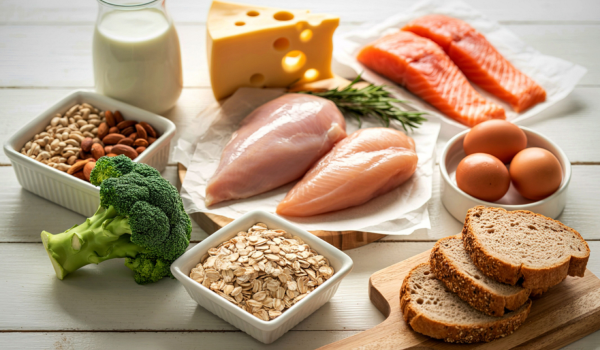
Include A Protein Source
Protein supports fullness and sustained energy.
Add Fiber-Rich Foods
Fiber helps regulate digestion and stabilize blood sugar.
Include Healthy Fats
Fats enhance flavor and nutrient absorption.
Use Simple Combinations
You do not need complicated recipes to eat well.
Smart Food Choices When Time Is Limited
Quick meals can still be nutritious with the right approach.
Choose Pre-Cut Or Pre-Washed Produce
These save time without sacrificing nutrition.
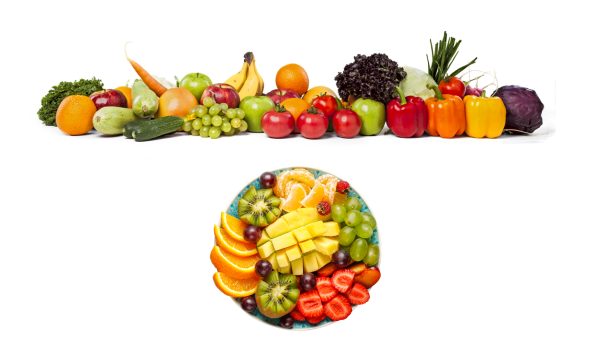
Use Frozen Fruits And Vegetables
They are convenient, affordable, and nutrient-rich.
Keep Easy Protein Options On Hand
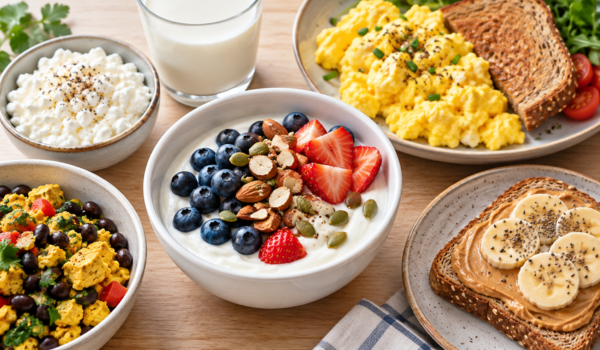
Eggs, yogurt, beans, and rotisserie chicken are quick solutions.
Rely On Simple Seasonings
Herbs and spices add flavor without extra calories.
Eating Well On Busy Workdays
Workdays often present the biggest challenge.
Prepare Simple Meals Ahead Of Time
Even basic preparation saves time during the week.
Build Easy Lunch Combinations
Pair protein, fiber, and healthy fats for balance.
Avoid Skipping Meals
Regular eating supports focus and energy.
Pack Snacks For Long Days
Healthy snacks prevent reliance on vending machines.
Healthy Eating When Ordering Takeout
Takeout can still fit into a healthy routine.
Choose Grilled Or Baked Options
These methods reduce excess fats.
Request Sauces And Dressings On The Side
This helps control portions.
Balance Heavier Meals With Lighter Sides
Add vegetables or salads when possible.
Watch Portion Sizes
Save part of the meal for later if portions are large.
Simple Snack Ideas For Busy Days
Snacks can support energy when chosen wisely.
Combine Protein And Fiber
This helps control hunger.
Choose Whole Foods When Possible
Fruits, nuts, and yogurt offer natural nutrition.
Keep Snacks Easy To Access
Convenience supports consistency.
Avoid Highly Processed Options
They often lead to energy crashes.
Staying Energized Throughout The Day
Energy levels are closely linked to nutrition habits.
Eat Regularly To Maintain Energy
Long gaps between meals can cause fatigue.
Stay Hydrated
Dehydration often feels like tiredness.
Limit Excess Sugar And Caffeine
These can cause energy crashes.
Choose Balanced Meals
Balanced meals provide steady fuel.
Making Healthy Eating Fit Your Lifestyle
Healthy eating should support your lifestyle, not compete with it.
Use Shortcuts When Needed
Healthy convenience foods are better than skipping meals.
Keep Meals Simple And Repeatable
Repeating easy meals saves time and effort.
Adapt To Changing Schedules
Flexibility helps maintain consistency.
Focus On Progress, Not Perfection
Every healthy choice counts.
Overcoming Common Barriers To Eating Well
Challenges are normal and manageable.
Lack Of Time
Plan quick options instead of skipping meals.
Low Motivation
Start with small, achievable goals.
Limited Food Access
Work with available options rather than ideal ones.
Feeling Overwhelmed
Simplify choices to reduce decision fatigue.
Creating Habits That Support Long-Term Success
Habits shape long-term outcomes.
Start With One Small Change
Small steps build confidence.
Repeat Successful Routines
Consistency strengthens habits.
Adjust As Life Changes
Flexibility ensures sustainability.
Recognize Progress Over Perfection
Growth matters more than flawless execution.
The Role Of Mindset In Eating Well
Your mindset influences food choices.
Let Go Of All-Or-Nothing Thinking
Balance supports sustainability.
Focus On Nourishment, Not Restriction
Food is fuel, not punishment.
Be Kind To Yourself
Self-compassion supports healthy habits.
View Food As Support, Not Stress
Positive perspectives encourage better choices.
Conclusion
Eating well when you are short on time is entirely achievable with thoughtful planning and realistic expectations. By focusing on simple, balanced meals and making small adjustments that fit your lifestyle, you can support your energy, health, and overall well-being without feeling overwhelmed. Healthy eating does not require perfection—just consistency, awareness, and a willingness to make small choices that add up over time.

.png)









.png)
.png)
.png)
.png)

.png)
.png)
.png)
.png)
.png)
.png)
.png)
.png)
.png)
.png)


.png)
.png)
.png)
.png)