
.png)
Working from home can feel like a blessing—no commute, flexible hours, comfortable clothes, and access to your own kitchen. Yet many people discover that eating well is harder, not easier, when their home becomes their office. Kitchens are just steps away, routines blur together, snack temptations grow, and work demands stretch across the entire day. Without the structure of leaving the house, meals can become rushed, skipped, or replaced with grazing. The good news is that with a little planning and a few smart habits, eating well from home can feel natural, balanced, and satisfying—without relying on strict diets or giving up enjoyment.
Understand Why Working From Home Changes Eating Habits
When your workspace and kitchen share the same address, food-related behaviors shift—often without you noticing.
Lack Of Routine Disrupts Meal Timing
Without commute schedules, lunch breaks, or office rhythms, mealtimes can become irregular. You may end up eating too late, skipping meals, or grazing all afternoon.
Unlimited Kitchen Access Leads To Extra Snacking
Refrigerators and snack drawers are always within reach. With no coworkers watching or lunchbox limits, grabbing food becomes emotionally driven—boredom, procrastination, or stress.
Stress And Distraction Influence Choices
Virtual meetings, heavy workloads, and household responsibilities create mental fatigue. Food becomes a coping tool, a break, or a reward—even when you aren’t physically hungry.
Sedentary Time Reduces Appetite Signaling
Sitting for long stretches slows metabolism and dampens hunger awareness. By the time hunger hits, people often reach for fast, convenient options.
Recognizing these patterns is the first step toward reshaping them in a healthier way.
Set A Simple Eating Structure For Your Day
You don’t need a strict schedule—just a basic rhythm to guide decisions.
Eat At Regular Intervals
Aim for three balanced meals and planned snacks rather than grazing. Steady timing stabilizes blood sugar, hormones, and energy.
Start With A Nutrient-Dense Breakfast
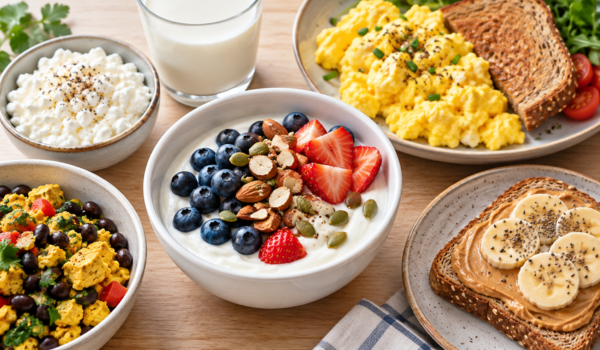
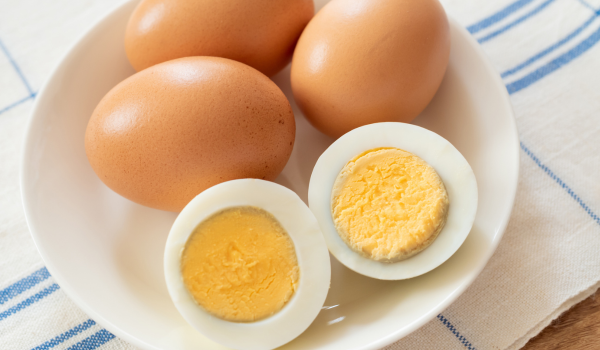
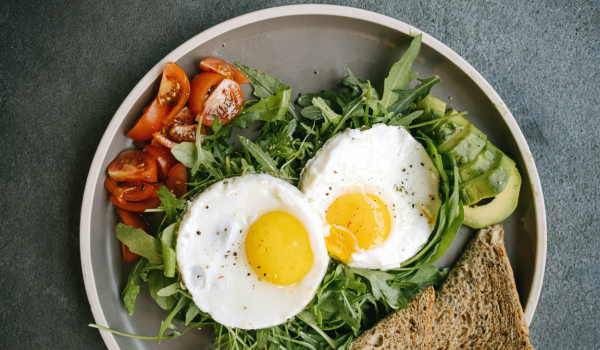
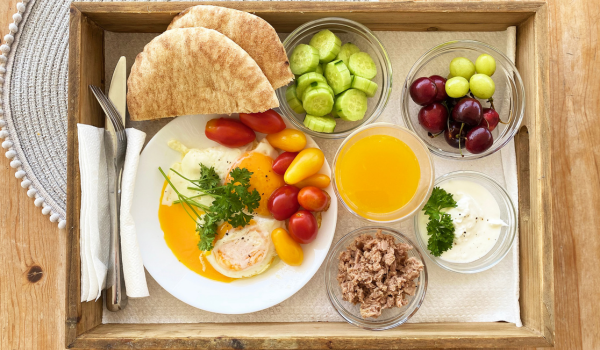
Fueling the morning prevents late-day overeating. Eggs, oatmeal, fruit, yogurt, smoothies, or whole-grain toast are easy, energizing choices.
Make Lunch A Real Meal
Avoid eating at your keyboard. Step away, sit down, and serve yourself intentionally. Even a 15-minute pause makes meals more satisfying.
Create A Kitchen Curfew
Once dinner is done, close the “kitchen mentally.” Late-night snacking often comes from habit or fatigue rather than hunger.
A consistent rhythm reduces guesswork and helps your body regulate appetite naturally.
Build Meals That Balance Energy And Prevent Cravings
Balanced meals fuel both brain and body—especially when you spend long hours thinking, typing, and problem-solving.
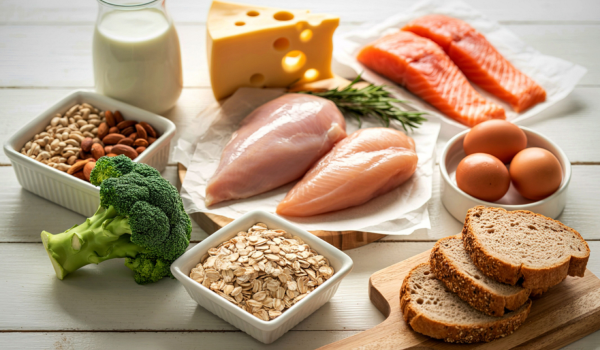
Combine Protein, Fiber, And Healthy Fats
These nutrients help you stay full longer and avoid blood sugar crashes. Examples include:
-
Chicken or tofu with vegetables and brown rice
-
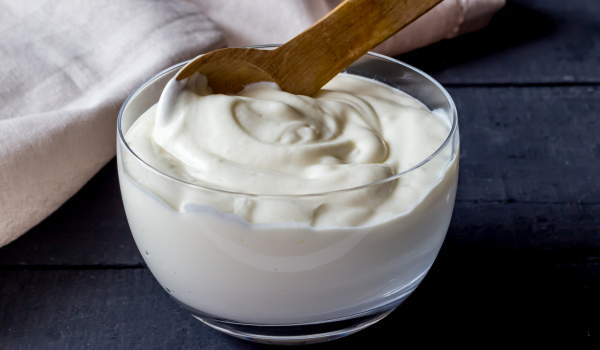
Greek yogurt with berries and nuts
-
Whole-grain wrap with turkey and spinach
-
Salad topped with beans, avocado, and seeds
Choose Whole Foods First
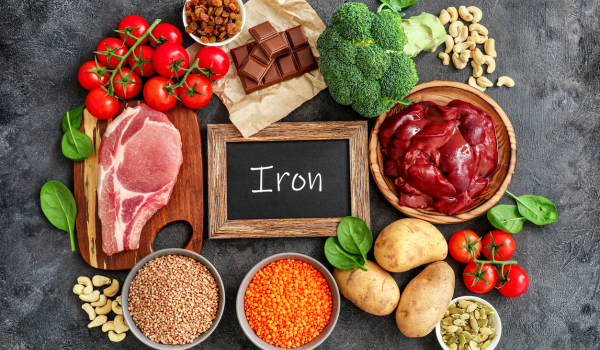
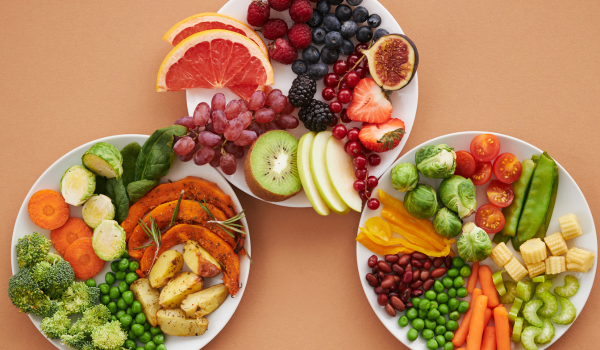
Fresh produce, whole grains, lean proteins, and healthy fats provide nutrients your body thrives on. Keep plenty on hand so choices feel effortless.
Prep Ingredients, Not Entire Meals
Chopping vegetables, cooking rice, or batch-making protein gives you flexibility to assemble fast meals without stress.
Balanced eating supports concentration, productivity, and mood throughout the day.
Manage Snacking With Intention Instead Of Restriction
Snacking is not the enemy—mindless snacking is.
Plan Smart Snacks Ahead Of Time
Stock foods that provide steady energy: fruit, nuts, hummus, carrots, yogurt, popcorn, nut butter packets, or whole-grain crackers.
Avoid Grazing Directly From Containers
Serve snacks on a plate or in a bowl. Portioning helps you enjoy food rather than lose track while working.
Pair Carbs With Protein Or Fat
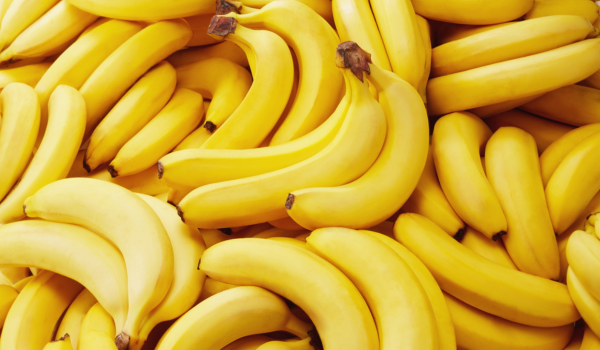
A banana with peanut butter or crackers with cheese keeps blood sugar stable longer than a sugary snack alone.
Use Snacks For Fuel, Not Escape
Ask yourself whether you’re hungry or simply tired, bored, or avoiding work. If it’s the latter, take a five-minute reset—stretch, stand, breathe, or drink water instead.
Snacking with intention keeps energy stable and prevents overeating later.
Create Physical Distance Between Work And Food
Environment is one of the strongest behavioral influences—not willpower.
Designate A Dedicated Workspace
Avoid working in the kitchen or dining room if possible. Eating becomes more mindful when food is not constantly visible.
Keep Snacks Out Of Reach
Store treats in cabinets, not on desks. Visibility drives cravings; removing visual cues reduces impulse eating.
Use Breaks For Eating—Not Multitasking
When you eat while working, the brain doesn’t register fullness. Step away and focus on your meal to truly feel satisfied.
Set “Non-Food Breaks”
During long stretches, choose water refills, short walks, or stretching instead of snack breaks.
Separating work and eating physically helps create mental boundaries that support balanced choices.
Stay Hydrated To Improve Hunger Control And Productivity
Most people underestimate dehydration when working from home.
Keep A Water Bottle Near Your Desk
Refill when empty to stay on track without effort.
Flavor Water For Variety
Fruit slices, mint, iced tea, or sparkling water prevent monotony and reduce temptation to grab sugary drinks.
Use Hydration To Counteract Fatigue
Energy dips often signal thirst rather than hunger. Drinking water before snacking helps you distinguish needs.
Hydration is a small habit with a big impact on focus, appetite, and mood.
Support Eating Habits With Lifestyle Balance
Home workdays blur boundaries—building healthy routines helps stabilize food choices.
Move Throughout The Day
Take walking breaks between calls, stretch every hour, or follow a quick online workout. Active muscles regulate appetite more effectively.
Get Natural Light Early
Exposure to daylight helps regulate hunger hormones and sleep cycles, both of which affect eating.
Maintain A Regular Sleep Schedule
Late nights often lead to next-day cravings and overeating. Consistent rest supports appetite control and healthy choices.
Your body functions best when eating, movement, sleep, and hydration work together.
Be Flexible And Kind To Yourself
The goal isn’t perfection—it’s consistency over time.
Allow Enjoyment And Treats
Coffee, chocolate, home-baked cookies, or comfort foods all have a place. Enjoy them without guilt, but balance them with nourishing choices.
Adapt To Busy Days Without Stress
Frozen vegetables, meal kits, canned beans, or pre-made salads can be lifesavers. Convenience can support—not sabotage—health.
Restart Immediately After Slip-Ups
One stressful day or indulgent meal doesn’t define your habits. Move forward with your next bite, not your next week.
Working from home will always come with temptations, but mindful structure turns challenges into opportunities.
Conclusion
Eating well from home does not require rigid meal plans, complicated rules, or constant self-discipline. A few intentional habits—consistent mealtimes, balanced plates, planned snacks, hydration, and boundaries between workspace and kitchen—can dramatically improve energy, productivity, and comfort throughout the day. Small efforts done consistently build a sustainable routine that supports both physical and mental well-being.
Start today by choosing one action—prep a few ingredients, set a lunch break, or stock healthy snacks—and let it shape healthier at-home days that feel both enjoyable and nourishing.

.png)






.png)
.png)
.png)
.png)

.png)
.png)
.png)
.png)
.png)
.png)
.png)
.png)
.png)
.png)


.png)
.png)
.png)
.png)

