

Stress affects every area of daily life—including the way you eat. When pressure builds, routines shift, and emotions run high, food choices often follow. Some people lose their appetite, while others find themselves overeating or reaching for sugary, salty convenience foods. Yet nourishing your body during stressful periods may be one of the most powerful tools you have for resilience. With consistent, realistic habits, it becomes possible to stay nourished even when life feels overwhelming.
How Stress Impacts Hunger And Eating Choices
Stress influences both the mind and the body, often changing how, when, and what people eat.
Stress Hormones Affect Appetite
Cortisol, the stress hormone, can trigger cravings for high-energy foods.
Fight-Or-Flight Reduces Digestion
In acute stress, appetite may decrease because digestion slows.
Emotional Eating Becomes More Tempting
Food can feel comforting when emotions surge.
Decision-Making Gets Harder Under Stress
Mental fatigue increases reliance on convenience foods.
Why Nourishing Yourself Matters During Stressful Times
When stress rises, the body needs nourishment more—not less.
Food Helps Regulate Blood Sugar And Mood
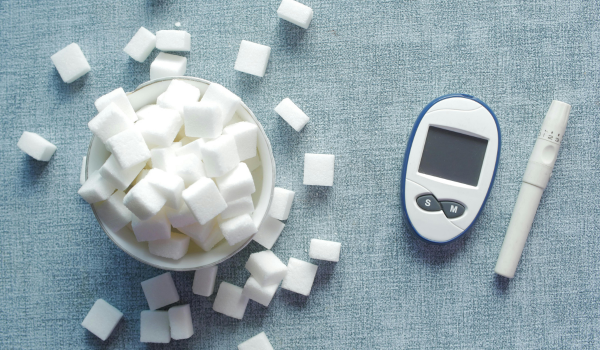
Stable blood sugar supports emotional balance.
Nutrients Support The Stress Response
Certain vitamins and minerals help the nervous system function well.
Consistent Eating Prevents Energy Crashes
Skipping meals can worsen stress and fatigue.
Balanced Eating Supports Mental Clarity
Well-nourished brains handle challenges more effectively.
Building Simple Meal Patterns That Calm The Body
Eating on a predictable schedule helps your body feel grounded.
Aim For Regular Meals And Snacks
Consistency helps maintain blood sugar and energy.
Keep Meals Balanced Even When Simple
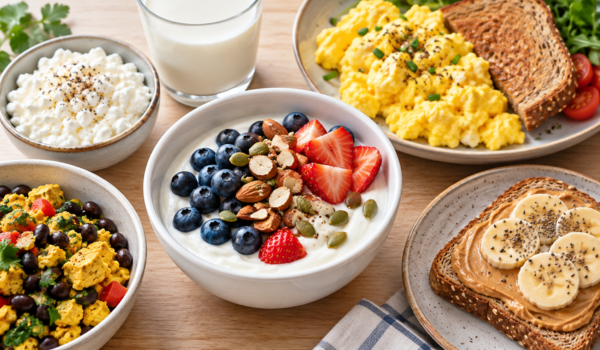
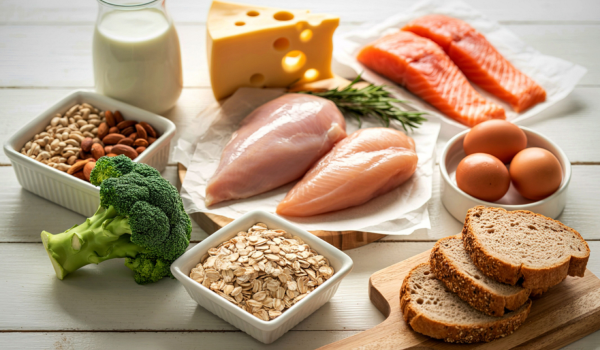
Include protein, complex carbs, and healthy fats.
Repeat Meals That Work Well For You
Reliability helps reduce decision stress.
Avoid Long Gaps Without Eating
Regular nourishment prevents overeating later.
Choosing Foods That Stabilize Mood And Energy
Certain foods naturally support emotional and physical balance.
Complex Carbohydrates Provide Steady Fuel
Whole grains, beans, and vegetables release energy gradually.
Protein Helps Curb Cravings
Lean meats, dairy, tofu, eggs, and legumes increase satiety.
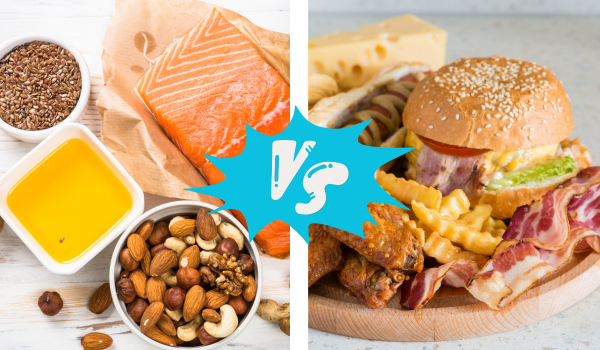
Healthy Fats Support The Brain
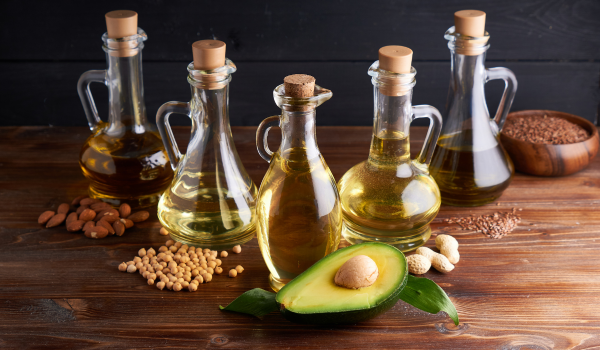
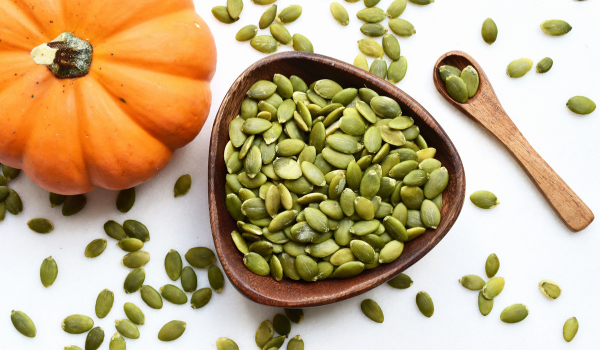
Avocados, nuts, seeds, and olive oil nourish the nervous system.
Fiber Keeps Digestion Steady
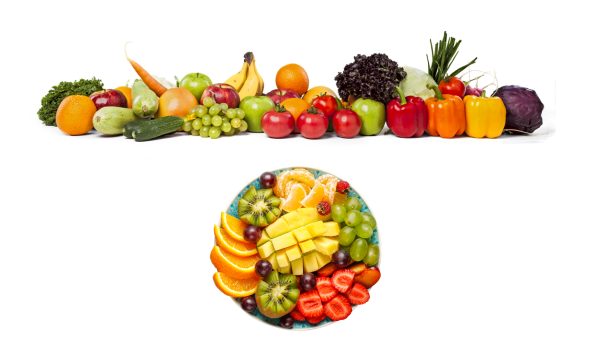
Produce helps maintain gut balance, which affects mood.
Smart Shortcuts For Eating Well When You Have No Time
Stressful days often leave little room for cooking.
Stock Easy-To-Grab Ingredients
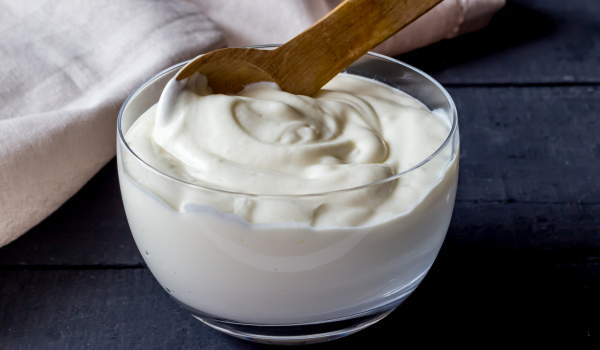
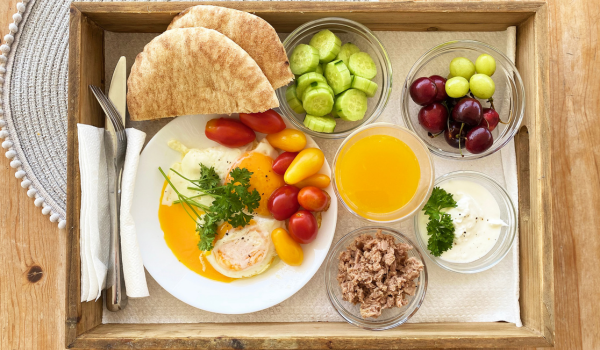
Pre-cut vegetables, canned tuna, yogurt, and rotisserie chicken save time.
Choose Semi-Prepared Convenience Items
Frozen vegetables and pre-washed greens require minimal effort.
Build Quick Plates Instead Of Full Meals
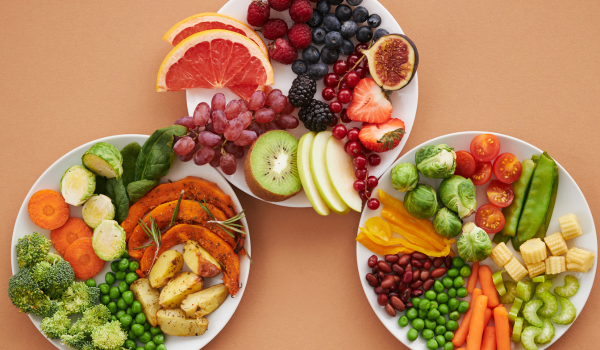
Combine a protein source, produce, and whole grains.
Use The “Good Enough” Approach
Perfection adds stress; simplicity maintains nutrition.
Managing Emotional Eating With Compassion
Emotional eating is normal—especially during difficult times.
Recognize Emotional Hunger Cues
Emotional hunger often arrives suddenly and feels urgent.
Allow Yourself To Eat Without Guilt
Guilt makes stress worse and harms your relationship with food.
Develop A Supportive Toolbox Of Alternatives
Journaling, stretching, walking, or calling someone can help process feelings.
Practice Mindful Eating
Slow down, taste your food, and notice how it feels in your body.
Pantry Staples That Make Stress-Eating Less Likely
Keeping nutritious foods within reach helps you stay grounded.
Whole Grains With Long Shelf Life
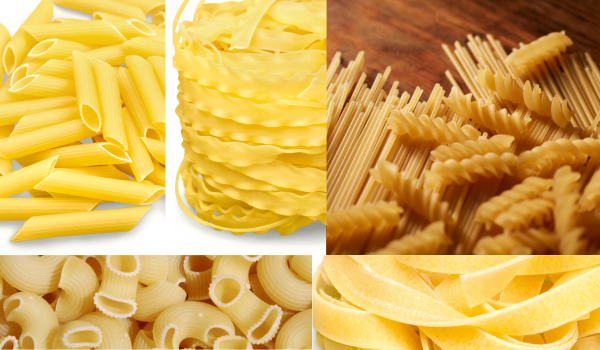
Brown rice, oatmeal, quinoa, and whole-grain pasta are simple fuel sources.
Shelf-Stable Proteins
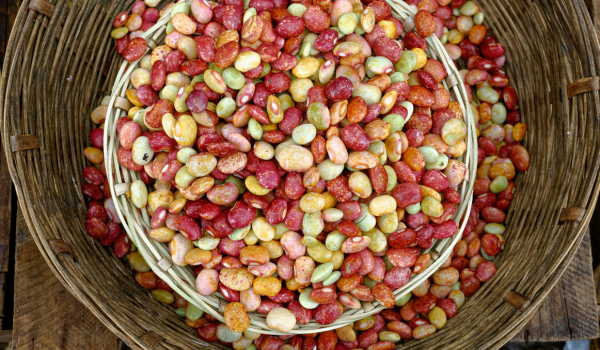
Beans, chickpeas, nuts, nut butter, and canned fish provide easy protein.
Long-Lasting Vegetables And Fruits
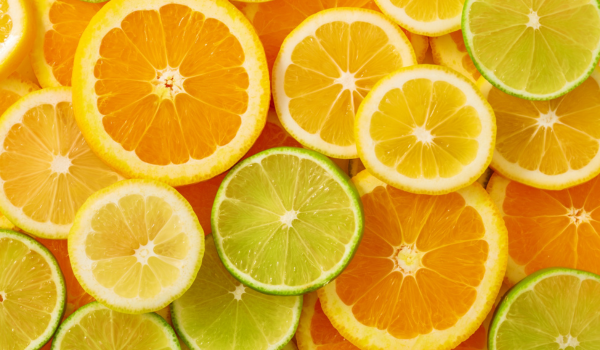
Sweet potatoes, carrots, apples, and oranges keep well without constant shopping.
Quick Meal Add-Ons
Olive oil, spices, salsa, and broth add flavor fast.
Hydration And Stress: Why Water Matters
Hydration plays a surprisingly large role in stress management.
Even Slight Dehydration Mimics Stress Symptoms
Headaches, fatigue, and irritability worsen dehydration effects.
Water Supports Cognitive Function
Well-hydrated bodies focus and process information better.
Hydration Helps With Craving Control
Thirst is often mistaken for hunger.
Fluids Support Digestion During Stress
A healthy gut supports a calmer mind.
Gentle Meal Prep That Reduces Decision Fatigue
You do not need to spend hours prepping food to feel supported.
Prep One Or Two Ingredients Instead Of Full Meals
Cook a batch of grains, roast vegetables, or marinate protein.
Use Mix-And-Match Ingredients All Week
One batch can stretch across multiple meals.
Store Healthy Snacks Where You Can See Them
Visibility matters for choice making.
Lean On Slow Cookers, Pressure Cookers, Or Sheet Pans
Hands-off cooking reduces stress.
Creating Calming Meal Experiences
Mealtime can be grounding rather than rushed.
Turn Off Distractions When Possible
Screens can disconnect you from your hunger cues.
Sit Down To Eat, Even When Eating Alone
Mindful eating supports digestion and satisfaction.
Take A Few Deep Breaths Before Meals
Calming the nervous system supports better eating habits.
Choose Foods That Comfort And Nourish
Warm soups, stews, and whole-food meals soothe and sustain.
What To Do When Stress Kills Your Appetite
Loss of appetite is common when stress is high.
Eat Small, Frequent Meals Or Snacks
Mini meals keep energy steady.
Choose Softer, Easier Foods
Smoothies, yogurt bowls, and soups are gentle options.
Pair Carbs With Protein
Even small bites keep blood sugar stable.
Hydrate With Beverages Containing Nutrients
Milk, fruit smoothies, or fortified drinks may help.
Rethinking Food Expectations During Stress
Healthy eating during stressful times is about support—not perfection.
Aim For Balance, Not Restriction
Restrictive thinking increases stress.
Let Convenience Work For You
Pre-made items can be part of a healthy diet.
Practice Self-Compassion Daily
Food is fuel, not punishment.
Remember That Every Better Choice Counts
Small steps create big shifts.
Conclusion
When life feels stressful, eating well becomes both more challenging and more important. By choosing simple habits—balanced meals, regular eating, hydration, and mindful food choices—you can support your body rather than drain it. Nourishing yourself during stressful periods helps maintain energy, improve mood, and build resilience. Small daily decisions can make a powerful difference in how you manage stress and how strong you feel moving forward. Be gentle with yourself, stay consistent, and remember that healthy eating is a form of self-care—not another source of pressure.

.png)





.png)
.png)
.png)
.png)

.png)
.png)
.png)
.png)
.png)
.png)
.png)
.png)
.png)
.png)


.png)
.png)
.png)
.png)

