
.png)
Seasonal changes affect far more than the temperature outside—they influence appetite, cravings, energy levels, hydration needs, mood, and daily routines. Many people notice that certain times of year make it easier to eat well, while others throw routines completely off track. Cold weather may increase cravings for comfort food, hot weather can reduce appetite or lead to dehydration, and holidays often bring an excess of indulgent meals, desserts, and snacks. Understanding how to adjust your nutrition through changing seasons can help support your energy, immunity, and overall well-being year-round.
Rather than fighting the natural rhythm of each season, you can use these changes to your advantage by choosing foods that align with your body’s needs. The goal is not perfection or strict rules, but flexibility—small shifts that help you stay nourished whether the months are warm, cold, or filled with celebrations.
Eating Well In Winter: Warm, Nourishing Choices For Energy And Immunity
Prioritize Immune-Supporting Foods
Winter is peak season for colds, flu, and respiratory infections. Build meals with foods rich in vitamin C, vitamin D, zinc, and antioxidants to protect the body’s defenses. Citrus fruits, berries, leafy greens, garlic, onions, bell peppers, oats, nuts, and beans all play a useful role in strengthening immunity through cold months.
Choose Warming, Filling Meals
Cold temperatures naturally create a desire for comforting foods. Instead of fighting that urge, choose warming meals that also nourish your body—soups, stews, chili, roasted vegetables, whole-grain porridges, and slow-cooked casseroles. These foods provide lasting energy without relying on heavy cream or excess sugar.
Focus On Fiber And Protein
Shorter days and holiday leftovers can lead to increased snacking or mindless eating. Fiber-rich vegetables, beans, whole grains, and lean proteins help maintain fullness and support stable blood sugar.
Mind Vitamin D Sources
Because sunlight exposure decreases, many people experience lower vitamin D levels—affecting bone health, immunity, and even mood. Include eggs, fortified dairy or plant milk, fatty fish, or mushrooms. Talk with a healthcare professional if you suspect deficiency.
Stay Hydrated Despite Lower Thirst
Winter dryness increases water loss through the skin, but people often drink less because they do not feel as thirsty. Warm herbal teas, hot lemon water, broth-based soups, and regular water sips throughout the day keep hydration on track.
Eating Well In Summer: Hydration And Light, Fresh Foods For Heat And Movement
Make Hydration A Priority
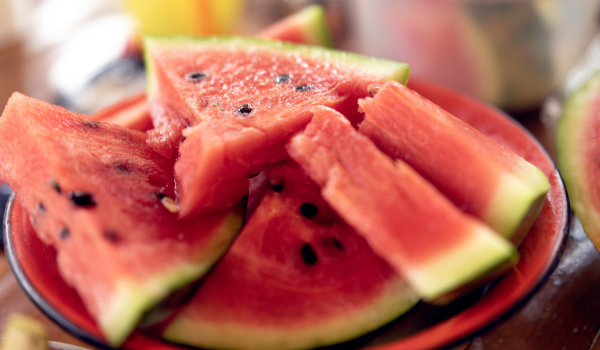
High temperatures lead to more sweating and higher fluid needs. Water should be the main choice, but electrolyte-containing drinks, coconut water, and water-rich fruits like watermelon or oranges help replenish lost minerals.
Load Up On Seasonal Produce
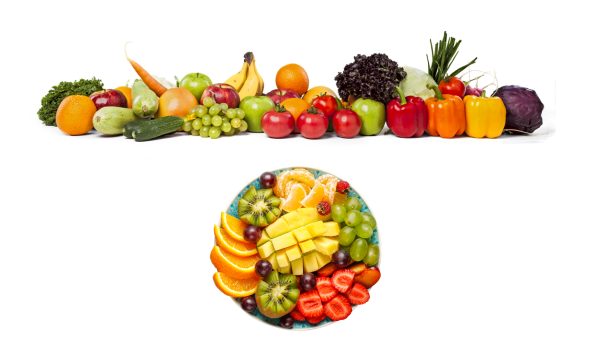
Summer offers abundant fruits and vegetables that taste their best: berries, tomatoes, corn, cucumbers, peaches, leafy greens, and peppers. Buying seasonal produce is budget-friendly and helps naturally increase fiber and micronutrient intake without effort.
Opt For Cooling Meals
Lighter foods often feel more comfortable in heat. Salads, wraps, cold pasta dishes, fruit-based snacks, and yogurt bowls provide nourishment without feeling heavy.
Balance Outdoor Eating
Summer frequently brings barbecues, picnics, and ice cream outings. Enjoying them is part of the season, but adding vegetables, lean proteins, and whole grains to the plate can create balance without sacrificing enjoyment.
Keep Snacks Simple And Hydrating
Instead of relying on processed treats, choose foods that energize and refresh—fresh fruit, hummus with vegetables, chilled hard-boiled eggs, nuts, or cheese sticks.
Eating Well During Holiday Seasons: Enjoyment With Intention And Balance
Honor Cultural And Family Traditions
Holidays are often linked to treasured recipes and meaningful meals. Restricting yourself too much may lead to guilt or overeating later. Instead, aim to participate fully while making mindful choices.
Use The Balanced Plate Mindset
Even with celebratory dishes, maintain gentle structure: include some vegetables or salad, choose a lean protein if available, and enjoy desserts in comfortable portions. This keeps energy stable while still embracing festive foods.
Eat Regularly Before Events
Skipping meals to “save up calories” often leads to excess hunger, overeating, and crashes. A balanced breakfast and lunch set the stage for better decision-making later in the day.
Slow Down And Savor
Holiday foods tend to be richer and more flavorful than everyday meals. Eating slowly and mindfully helps prevent eating past fullness and allows you to appreciate traditional dishes without feeling deprived.
Stock Your Home With Supportive Staples
If your schedule includes multiple gatherings, keep everyday meals simple and nutrient-dense—soups, roasted vegetables, whole grains, eggs, and fruit help balance indulgent days.
Smart Strategies That Apply Across All Seasons
Listen To What Your Body Needs
Seasonal eating doesn’t mean following strict menus. Pay attention to appetite changes—cold weather may demand more calories for warmth, while hot days may call for lighter foods. Adjust without judgment.
Build Balanced Meals Most Of The Time
Regardless of season, aim for meals that include protein, fiber, healthy fats, and produce. This combination keeps energy and hunger in check throughout the day.
Cook Once, Eat Twice
Batch cooking supports consistency whether life is busy with winter routines, summer travel, or holiday gatherings. Leftovers cut down on both cost and decision fatigue.
Be Flexible With Produce Options
Fresh fruits and vegetables are excellent, but frozen or canned options can be just as nutritious, especially when certain foods are out of season or costly. Choose low-sodium canned goods and fruits packed in water when possible.
Honor Enjoyment And Satisfaction
Eating well does not require eliminating comfort foods. Nourishment includes pleasure, social connection, and meaningful traditions. Balance comes from habits built over weeks and months, not any single day.
Conclusion
Seasonal changes bring new schedules, emotions, cravings, and challenges—but they also offer opportunities to align eating habits with how your body feels throughout the year. Winter encourages warming meals and immune-supportive foods, summer calls for hydration and light produce-forward dishes, and holidays invite mindful celebration and flexibility. By embracing each season with awareness rather than restriction, you can maintain a balanced, nourishing diet that supports long-term well-being. The key is listening to your body, using seasonal foods to your advantage, and remembering that no single meal defines your health—long-term habits do.
If you’re ready to keep learning and shaping a realistic healthy eating lifestyle, explore more guides and resources on Health365s.com.

.png)









.png)
.png)
.png)
.png)

.png)
.png)
.png)
.png)
.png)
.png)
.png)
.png)
.png)
.png)


.png)
.png)
.png)
.png)

