.png)
Modern life often feels like a constant race against time. Between work, family responsibilities, social commitments, and daily tasks, finding time to eat well can feel nearly impossible. Many people rely on convenience foods or skip meals altogether, not because they want to, but because their schedules feel overwhelming. The good news is that eating well does not require hours in the kitchen or complicated planning. With the right mindset and simple strategies, it is possible to nourish your body even on the busiest days.
Why Busy Schedules Often Lead To Poor Eating Habits
A packed schedule can disrupt healthy routines.
Time Pressure Reduces Intentional Choices
When time is limited, convenience often replaces mindfulness.
Skipping Meals Becomes Common
Busy days can cause long gaps between meals.
Reliance On Processed Foods Increases
Quick options often lack nutritional balance.
Decision Fatigue Impacts Food Choices
Constant decisions can lead to less mindful eating.
The Importance Of Consistent Nourishment
Consistent nourishment supports both energy and focus.
Regular Meals Stabilize Energy Levels
Eating consistently prevents sharp energy drops.
Balanced Intake Supports Mental Clarity
The brain performs better with steady fuel.
Consistent Nutrition Reduces Cravings
Regular meals prevent extreme hunger.
Predictable Eating Supports Digestion
Routine helps the digestive system function efficiently.
Rethinking What “Eating Well” Really Means
Healthy eating does not require perfection.
Simplicity Often Works Best
Simple meals can still be nourishing.
Flexibility Supports Sustainability
Rigid rules are hard to maintain long-term.
Progress Matters More Than Precision
Small improvements add up over time.
Real Life Requires Adaptability
Healthy eating should fit into daily life.
Smart Planning Without Overcomplicating Your Day
Planning does not have to be time-consuming.
Choose A Few Go-To Meals
Repeating simple meals saves time.
Prepare Ingredients In Advance
Prepping once helps throughout the week.
Keep Nutritious Options Visible
Accessibility encourages better choices.
Use Grocery Shortcuts Wisely
Pre-cut or frozen items save time without sacrificing quality.
How To Build Balanced Meals On A Busy Schedule
Balanced meals do not need to be complex.
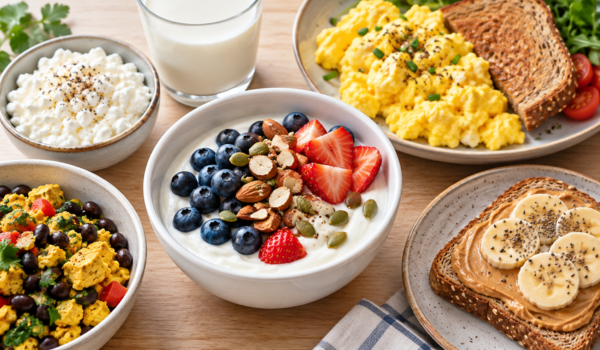
Include A Protein Source
Protein supports fullness and energy.
Add A Source Of Fiber
Fiber supports digestion and satiety.
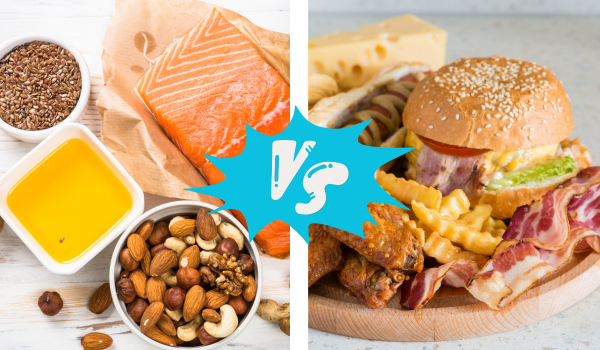
Include Healthy Fats
Fats help sustain energy.
Keep Portions Practical
Balance matters more than perfection.
Eating Well When You Are On The Go
Busy days require flexible strategies.
Choose Portable Foods
Foods that travel well make eating easier.
Plan Ahead For Long Days
Bringing snacks prevents energy crashes.
Stay Hydrated Throughout The Day
Hydration supports focus and energy.
Avoid Long Gaps Between Meals
Regular fueling supports stability.
Making Smart Choices When Eating Out
Eating out can still align with healthy habits.
Look For Balanced Meal Options
Meals with protein, fiber, and healthy fats support balance.
Listen To Hunger Cues
Eat until satisfied, not overly full.
Adjust Portions If Needed
Saving part of a meal is okay.
Avoid All-Or-Nothing Thinking
One meal does not define your habits.
How Stress Affects Eating Habits
Stress often disrupts hunger and fullness signals.
Stress Can Suppress Or Increase Appetite
Responses vary by individual.
Emotional Eating Becomes More Likely
Food may be used for comfort.
Stress Reduces Mindful Eating
Distraction impacts awareness.
Managing Stress Supports Better Choices
Calm supports thoughtful decisions.
Simple Habits That Support Healthy Eating
Small habits make a big difference.
Eat At Regular Intervals
Consistency supports energy.
Pause Before Eating
A moment of awareness improves choices.
Keep Nutritious Foods Accessible
Convenience influences decisions.
Hydrate Regularly
Water supports appetite regulation.
Creating A Flexible Eating Routine
Flexibility helps maintain balance.
Plan For Imperfect Days
Not every day will go as planned.
Adjust Based On Energy Levels
Your needs change daily.
Allow Room For Enjoyment
Enjoyment supports sustainability.
Avoid Guilt Around Food Choices
Guilt disrupts healthy habits.
How To Stay Consistent Without Feeling Restricted
Consistency comes from realistic expectations.
Focus On What You Can Control
Small actions matter.
Build Habits Gradually
Slow changes last longer.
Use Structure Without Rigidity
Structure supports freedom.
Celebrate Small Wins
Progress builds motivation.
The Long-Term Benefits Of Eating Well On A Busy Schedule
Sustainable habits improve overall quality of life.
Steady Energy Throughout The Day
Consistent nourishment supports productivity.
Improved Focus And Clarity
Balanced eating fuels mental performance.
Reduced Stress Around Food
Confidence replaces anxiety.
Greater Overall Well-Being
Healthy habits support daily life.
Creating A Lifestyle That Supports Healthy Eating
Healthy eating thrives in supportive environments.
Organize Your Kitchen For Success
Accessibility encourages better choices.
Set Realistic Expectations
Perfection is unnecessary.
Prioritize Nourishment Over Rules
Listening to your body builds trust.
Focus On Long-Term Habits
Consistency creates lasting results.
Conclusion
Eating well with a busy schedule is not about perfection or strict routines. It is about making small, thoughtful choices that fit into your lifestyle. By focusing on consistency, preparation, and flexibility, you can nourish your body even on the busiest days. When healthy eating becomes supportive rather than stressful, it becomes a sustainable part of everyday life.

.png)













.png)
.png)
.png)
.png)


.png)
.png)
.png)
.png)
.png)
.png)
.png)
.png)
.png)
.png)



.png)
.png)
.png)
.png)