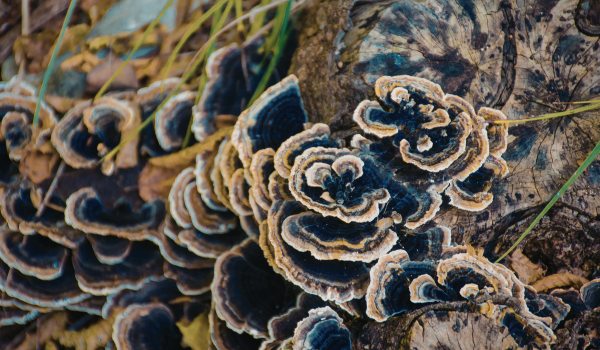
Turkey tail mushroom (Coriolus versicolor) has been used for centuries in traditional medicine, especially for immune and digestive health. Modern research suggests that consuming turkey tail mushroom regularly may support immune function, gut balance, and certain disease-related processes when used appropriately.
May Support Cancer Treatment Outcomes
Turkey tail mushroom contains a bioactive compound called polysaccharide-K (PSK), which has been studied as a complementary therapy alongside chemotherapy or radiation.
Immune System Activation
PSK helps stimulate immune responses that may slow tumor growth and limit cancer spread, particularly in gastric, lung, breast, and colorectal cancers.
T-Cell Support
Research suggests PSK may increase T-cell activity, which plays a key role in immune surveillance and tumor defense.
Turkey tail mushroom is not a standalone cancer treatment but may support conventional therapies under medical supervision.
May Strengthen Immune Function
Turkey tail mushrooms also contain polysaccharide peptide (PSP), another immune-supportive compound.
Defense Against Harmful Microbes
PSP helps activate immune defenses that inhibit the growth of harmful bacteria.
Gut-Immune Connection
Turkey tail mushrooms provide prebiotic fibers that nourish beneficial gut bacteria. Since most immune cells reside in the gut, supporting gut health directly benefits immune resilience.
May Improve Gut Health
Turkey tail mushroom extracts have been shown to positively influence gut microbiota balance.
Supports Beneficial Bacteria
Regular intake may promote the growth of helpful bacteria such as Bifidobacterium and Lactobacillus.
Reduces Harmful Microbes
At the same time, turkey tail compounds may suppress bacteria associated with infection and inflammation, including Clostridium and Staphylococcus species.
Beta-Glucan Content
Turkey tail mushrooms contain beta-glucans, a type of fiber linked to improved digestion and cholesterol regulation.
May Help Protect Against HPV
Turkey tail mushroom extract has shown promise in supporting immune clearance of human papillomavirus (HPV).
HPV Support
HPV is responsible for nearly all cases of cervical cancer. Turkey tail compounds may help the immune system suppress viral activity and support viral clearance.
Vaccine Support Potential
Some research suggests medicinal mushrooms may enhance immune response to HPV vaccination, though more studies are needed.
Nutritional And Bioactive Compounds
Turkey tail mushrooms are valued more for medicinal compounds than for calories or macronutrients.
Protein And Fat Content
Dried turkey tail mushrooms contain approximately 11 grams of protein and 1 gram of fat per 100 grams.
B Vitamins
They are rich in niacin and other B vitamins, which support energy metabolism and enzyme production.
Antioxidant Properties
Phenolic compounds in turkey tail mushrooms may reduce inflammation and help protect against conditions such as cardiovascular disease, type 2 diabetes, rheumatoid arthritis, and hypertension.
What To Look For In A Supplement
Turkey tail mushrooms are most commonly consumed in supplement form.
Common Forms
Capsules, powders, and liquid extracts are widely available.
Typical Dosage Range
Most medicinal mushroom supplements provide 800–3,000 milligrams of active polysaccharides per day.
Quality And Testing
Choose supplements that are independently tested by organizations such as NSF International, USP, or ConsumerLab to ensure purity and accurate labeling.
Risks And Safety Considerations
Turkey tail mushrooms are generally safe for oral consumption, but some precautions apply.
Allergy Risk
People with fungal allergies should avoid turkey tail mushrooms.
Pregnancy And Breastfeeding
There is insufficient research on safety during pregnancy or breastfeeding.
Medication Interactions
Medicinal mushrooms may interact with certain medications, including cancer treatments and blood sugar–lowering drugs. Always consult a healthcare provider before use.
Blood Sugar Considerations
Use caution if combining turkey tail with supplements known to lower blood sugar, such as berberine, cinnamon, ginseng, or bitter melon.
Foraging Safety Warnings
Wild mushroom foraging carries significant risks.
Poisoning Risk
Misidentification can lead to serious poisoning, including liver or kidney failure and seizures.
Environmental Contamination
Wild turkey tail mushrooms may grow in contaminated soil.
Identification Challenges
Turkey tail mushrooms are known for their multi-colored bands, but they can closely resemble inedible species. Foraging should only be done by experienced individuals.
Final Takeaway
Turkey tail mushroom is a powerful medicinal mushroom with potential benefits for immune health, gut balance, and supportive cancer care. While generally safe for most people, it should be used thoughtfully, especially when combined with medications or medical treatments. Supplements should be high quality, and medical guidance is strongly recommended.


.png)


.png)
.png)
.png)
.png)
.png)
.png)
.png)
.png)
.png)
.png)
.png)
.png)
.png)
.png)


.png)
.png)
.png)
.png)