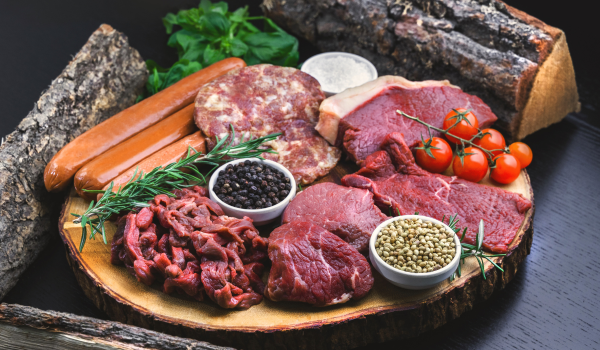
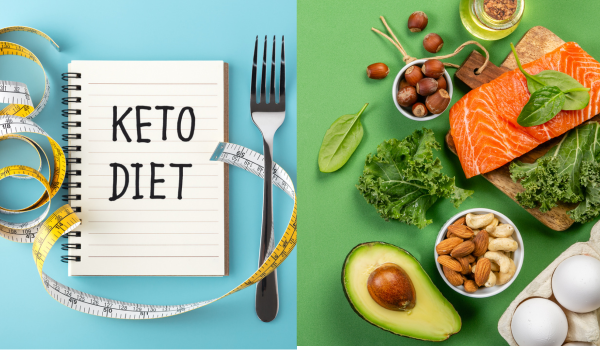
Protein and carbohydrates are two major sources of energy for the body. Some eating patterns emphasize protein over carbohydrates, such as high-protein, low-carb diets. This approach may support muscle growth, fat loss, and blood sugar control, but it can also come with side effects—especially if carbohydrates are overly restricted.
You May Feel Fuller for Longer
Protein is more filling than carbohydrates when compared calorie for calorie.
satiety and appetite control
Eating more protein can help you feel full for longer periods, reduce hunger between meals, and curb sugar cravings. Over time, this may naturally lower calorie intake and support weight loss without intentional restriction.
Your Energy Levels May Change
Carbohydrates are the body’s preferred energy source, particularly for the brain and during exercise, because they are quickly converted into glucose.
steady vs quick energy
Protein can be converted into glucose, but the process is slower and less efficient. With fewer carbs, you may feel fine during low-intensity activities, but high-intensity workouts or mentally demanding tasks can feel more challenging.
Some people experience steadier energy and fewer crashes, while others may feel tired, mentally foggy, or irritable—especially during physically or cognitively demanding days.
Your Digestion Could Be Affected
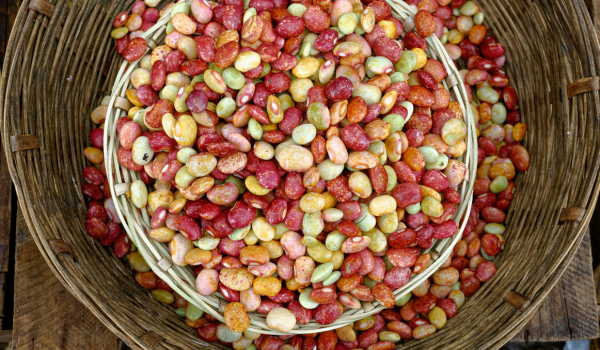
Fiber is essential for digestion and regular bowel movements, and it is found almost exclusively in carbohydrate-rich foods such as fruits, vegetables, legumes, and whole grains.
fiber balance matters
Protein digests more slowly, and if fiber-rich carbs are reduced too much, constipation, bloating, and digestive discomfort may occur. Long-term low fiber intake can also negatively affect gut health and chronic disease prevention.
You May See Better Results in the Gym
Protein plays a central role in muscle repair and tissue building.
muscle maintenance and growth
When paired with resistance or strength training, higher protein intake can support muscle preservation, muscle growth, and modest fat loss. This is one reason high-protein diets are popular among people focused on body composition improvements.
Your Blood Sugar Control May Improve
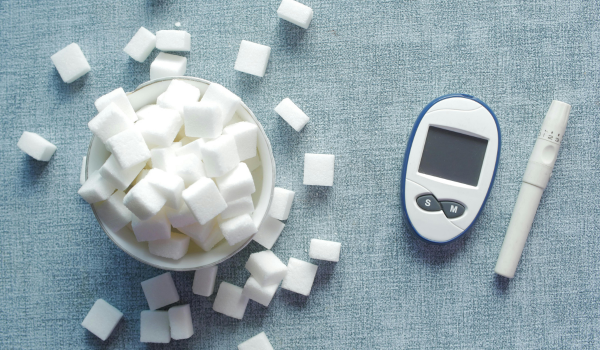
Carbohydrates are quickly converted into glucose, which can lead to blood sugar spikes depending on the amount and type consumed.
improved glucose stability
Reducing carb intake while increasing protein may help limit sharp blood sugar fluctuations. Higher protein diets can also improve insulin sensitivity, which is important for managing or reducing the risk of type 2 diabetes and other metabolic conditions.
There May Be Kidney-Related Risks
Excess protein is filtered through the kidneys.
who should be cautious
For healthy individuals, higher protein intake is generally well tolerated. However, people with existing kidney disease may place extra strain on their kidneys when consuming very high amounts of protein over time. In these cases, high-protein diets may not be appropriate without medical guidance.
Who May Benefit From a High-Protein, Low-Carb Diet?
Some groups may benefit from prioritizing protein while moderately reducing carbohydrates.
potentially beneficial for
-
Older adults aiming to reduce age-related muscle loss
-
People with type 2 diabetes or metabolic concerns
-
Individuals focused on weight loss
-
Strength-training athletes or those aiming to gain muscle
Who Should Be Careful With This Approach?
Not everyone thrives on a high-protein, low-carb eating pattern.
use caution if you are
-
Living with kidney disease
-
Managing digestive conditions that require high fiber intake
-
An endurance athlete who relies on carbohydrates for performance
-
Someone prone to disordered eating patterns
How to Follow a High-Protein, Lower-Carb Diet the Healthy Way
The goal is not to eliminate carbohydrates, but to improve the quality and balance of macronutrients.
practical tips for balance
-
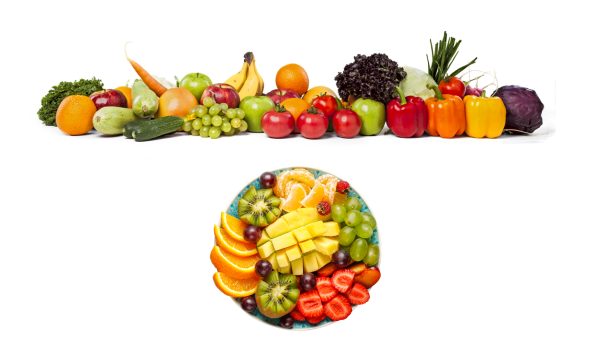
Keep fiber-rich carbs in your meals, such as vegetables, fruits, legumes, and whole grains
-
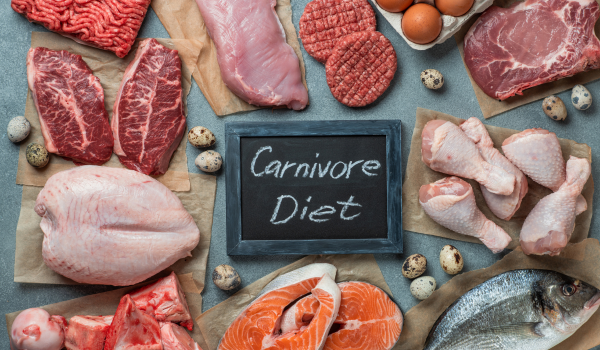
Choose whole-food protein sources like lean meats, eggs, fish, tofu, and dairy
-
Limit ultra-processed protein products like protein chips or cookies
-
Pay attention to energy, mood, and digestion—fatigue or constipation may signal the need for more carbs or fiber
-
Include healthy fats such as avocados, nuts, seeds, and oils to support hormone balance and reduce inflammation
Protein is powerful, but carbohydrates are not the enemy. A balanced approach tends to be more sustainable and supportive of long-term health.

.png)














.png)
.png)
.png)
.png)


.png)
.png)
.png)
.png)
.png)
.png)
.png)
.png)
.png)
.png)



.png)
.png)
.png)
.png)
.png)
.png)