
Fermented foods such as kimchi, Greek yogurt, sauerkraut, and kombucha are created through a natural process where microorganisms like bacteria and yeast break down sugars and starches. This process not only preserves food but also creates beneficial compounds that may support digestive and overall health.
When eaten regularly, fermented foods can positively influence your gut microbiome—but they may also cause temporary digestive discomfort for some people.
Increase Your Gut Microbiome Diversity
Many fermented foods contain probiotics, which are live microorganisms that help support a diverse and balanced gut microbiome.
The gut microbiome is made up of trillions of microorganisms that influence digestion, immunity, metabolism, and overall well-being. Disruptions caused by antibiotics, illness, or chronic stress can reduce beneficial bacteria levels.
Regular consumption of fermented foods may help replenish these beneficial microbes, supporting better digestion, immune response, and overall gut health.
However, the effects may be temporary. Research suggests that probiotic strains often pass through the digestive tract rather than permanently colonizing it. This means consistent intake is needed to maintain benefits.
It’s also important to note that not all fermented foods contain live probiotics. Products such as sourdough bread, wine, and beer undergo fermentation but usually do not retain live cultures. Look for labels that mention “live and active cultures” or “naturally fermented.”
Improve Nutrient Absorption
Fermented foods may improve the body’s ability to absorb essential nutrients. The fermentation process activates enzymes that help break down nutrients, making them easier for the body to absorb.
Nutrients that may be better absorbed include:
-
Calcium
-
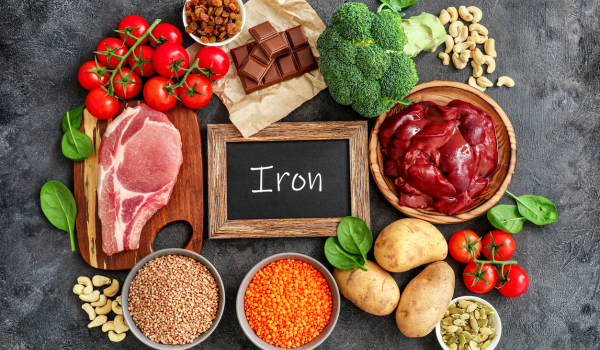
Iron
-
Magnesium
-
Selenium
-
Zinc
-
Potassium
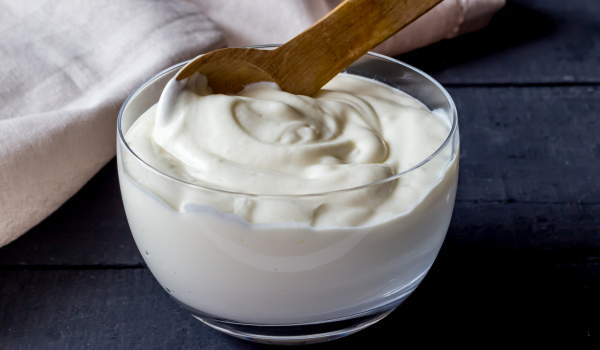
For example, consuming fermented dairy products like yogurt may help your body absorb calcium more efficiently, supporting bone health.
Strengthen Your Gut Lining
Probiotics in fermented foods help produce short-chain fatty acids (SCFAs) when they ferment dietary fiber in the gut.
These compounds support the integrity of the gut lining and help prevent harmful substances from entering the bloodstream. A strong gut barrier plays a role in reducing inflammation and lowering the risk of digestive disorders.
Although much of the research comes from animal studies, human data suggest these mechanisms contribute to better gut health and immune function.
Enhance Digestion
Fermented foods may be easier to digest than their non-fermented counterparts. During fermentation, complex carbohydrates are partially broken down, reducing gas production and digestive discomfort.
For example, sourdough bread is often easier to digest than standard bread because fermentation reduces fermentable carbohydrates that can trigger bloating. This may be especially helpful for people with irritable bowel syndrome (IBS) or sensitive digestion.
May Cause Bloating Or Gas At First
While fermented foods offer benefits, introducing them too quickly may cause bloating, gas, or stomach discomfort—especially for those new to them.
This reaction often occurs as your gut adjusts to new bacteria. Some fermented foods also contain biogenic amines, which can trigger digestive symptoms in sensitive individuals.
To minimize discomfort, start with small portions and gradually increase intake over time.
Bottom Line
Fermented foods like yogurt, kimchi, sauerkraut, and kombucha can support gut health by improving microbial diversity, aiding digestion, and enhancing nutrient absorption. However, not all fermented foods contain probiotics, and introducing them too quickly may cause temporary digestive discomfort.
If you have digestive conditions or concerns, it’s best to consult a healthcare provider before making major dietary changes.


.png)










.png)
.png)
.png)
.png)

.png)
.png)
.png)
.png)
.png)
.png)
.png)
.png)
.png)
.png)



.png)
.png)
.png)
.png)