
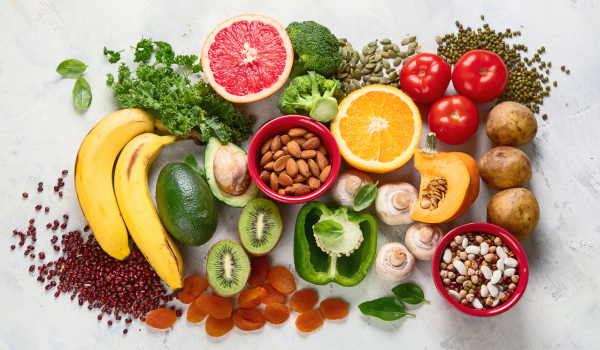
Potassium is an essential electrolyte that works closely with sodium to regulate fluid balance, blood volume, nerve signaling, and muscle function. While most people consume more than enough sodium, many fall short on potassium—an imbalance that can negatively affect overall health. Getting enough potassium helps counteract excess sodium and supports several vital body processes.
Supports Healthier Blood Pressure
Potassium plays a key role in blood pressure regulation by helping the body excrete excess sodium through urine and relaxing blood vessel walls.
Reduces Hypertension Risk
Low potassium intake is strongly associated with high blood pressure. Adequate potassium intake helps lower blood pressure levels and supports healthier circulation.
Protects Against Cardiovascular Conditions
Maintaining sufficient potassium levels may reduce the risk of heart attack, stroke, and kidney disease—conditions commonly linked to chronic hypertension.
May Lower The Risk Of Certain Diseases
Beyond blood pressure, potassium may play a protective role in other health conditions, although research is still evolving.
Kidney Stone Prevention
Higher potassium intake may help reduce calcium loss in urine, lowering the risk of kidney stone formation.
Bone Health Support
Potassium-rich diets may help preserve bone mineral density and reduce the risk of osteoporosis by neutralizing acids that weaken bones.
Blood Sugar Regulation
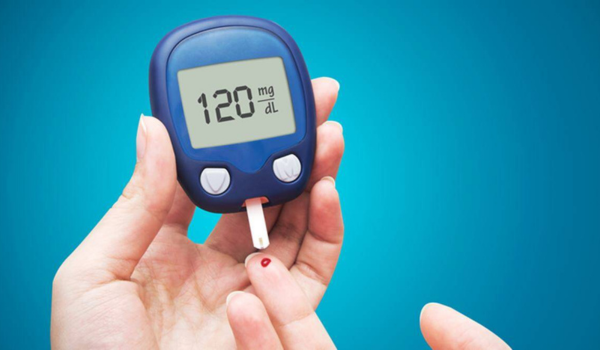
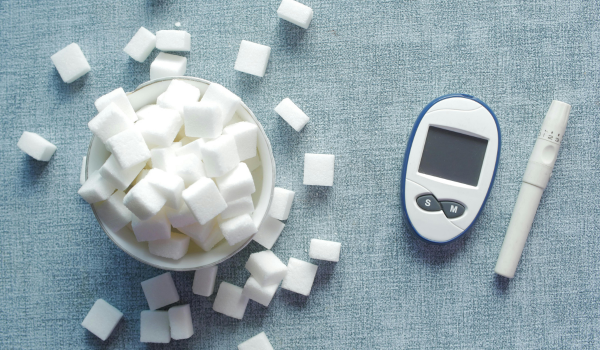
Some studies suggest that adequate potassium intake may help reduce the risk of developing type 2 diabetes by supporting insulin function.
Benefits Of Increasing Potassium While Reducing Sodium
Many people consume too much sodium and not enough potassium, which increases the risk of high blood pressure and cardiovascular disease.
Electrolyte Balance Matters
The ratio of potassium to sodium may be more important than the absolute intake of either mineral alone. Improving both simultaneously provides the strongest protective effect.
Cardiovascular Risk Reduction
Lower sodium combined with higher potassium intake helps reduce strain on the heart and blood vessels, lowering the risk of heart attack and stroke.
When You May Need More Potassium And Sodium
Certain situations increase fluid and electrolyte loss, requiring replenishment of both potassium and sodium.
Fluid Loss Conditions
Vomiting, diarrhea, fever, and heavy sweating during intense exercise can rapidly deplete electrolytes.
Higher-Risk Groups
Children, older adults, people with weakened immune systems, and individuals with severe dehydration may require closer electrolyte management.
Medical Guidance
In some cases, healthcare providers may recommend electrolyte solutions or supplements to restore balance safely.
Dietary Sources Of Potassium
The best way to increase potassium intake is through whole foods.
Potassium-Rich Foods
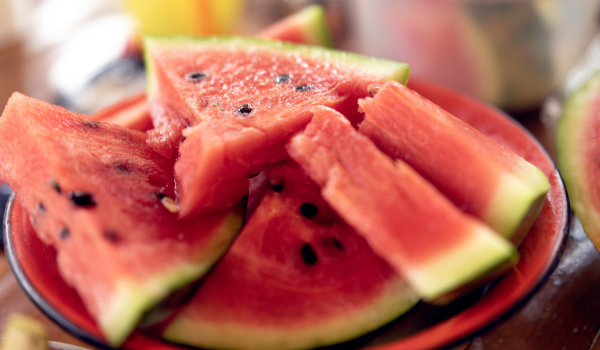
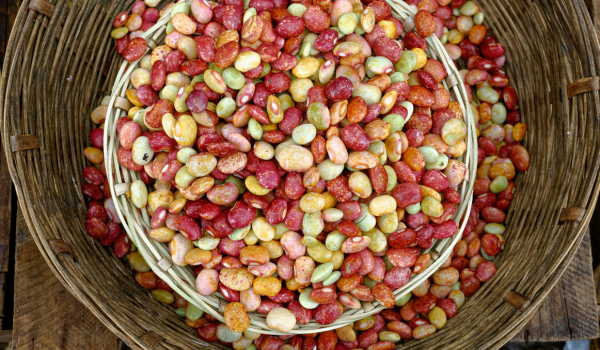
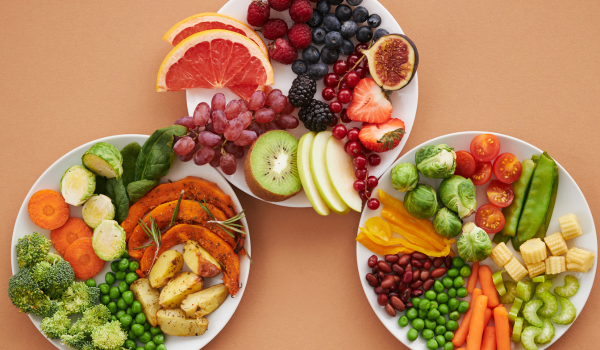
Common sources include potatoes, bananas, leafy greens, avocados, lentils, beans, spinach, milk, carrot juice, orange juice, and dried fruits such as apricots, raisins, and prunes.
Food Over Supplements
Most over-the-counter potassium supplements contain small doses (usually 99 mg or less). Many foods provide significantly more potassium per serving than supplements.
Can You Get Too Much Potassium?
Although uncommon, excessive potassium intake can occur in certain situations.
Hyperkalemia Risk
Very high potassium levels in the blood may lead to shortness of breath, muscle weakness, and dangerous heart rhythm disturbances.
Who Should Be Cautious
People with advanced kidney disease or impaired kidney function should monitor potassium intake carefully, including from food sources.
General Intake Guidance
Most people consume less potassium than recommended. Adults typically need between 2,600–3,400 milligrams per day, while the general recommended intake is around 4,700 milligrams daily.
Final Takeaway
Potassium is a critical mineral that supports blood pressure regulation, cardiovascular health, bone strength, and electrolyte balance. Increasing potassium intake—especially while reducing excess sodium—can significantly improve long-term health. For most people, focusing on potassium-rich foods is the safest and most effective approach.


.png)





.png)
.png)
.png)
.png)

.png)
.png)
.png)
.png)
.png)
.png)
.png)
.png)
.png)
.png)



.png)
.png)
.png)
.png)

