
.png)
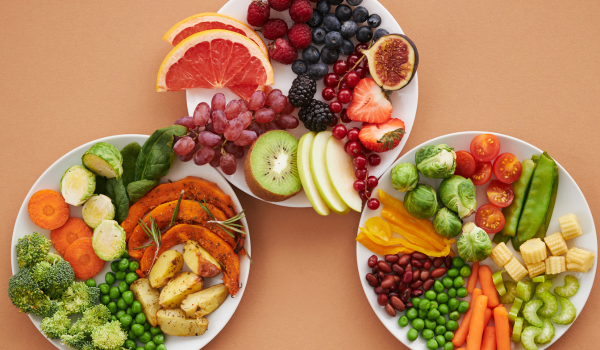
Dietary fiber plays a critical role in digestive health, blood sugar control, heart health, and long-term disease prevention. Yet many people fall short of recommended daily fiber intake due to busy schedules, reliance on processed foods, and limited meal planning. Increasing fiber does not require drastic diet changes or complex recipes. With simple food swaps and everyday ingredients, it is easy to boost fiber intake naturally and sustainably. This guide explores practical, high-fiber foods that can be added to daily meals to support overall health and well-being.
Why Fiber Is Essential For Everyday Health
Fiber supports multiple systems in the body beyond digestion.
Supports Digestive Regularity
Fiber adds bulk to stool and promotes smooth bowel movements, reducing constipation and digestive discomfort.
Helps Control Blood Sugar Levels
Fiber slows carbohydrate absorption, preventing sharp spikes in blood sugar and insulin levels.
Promotes Heart Health
Soluble fiber helps reduce LDL cholesterol, supporting cardiovascular health.
Enhances Satiety And Weight Management
High-fiber foods increase fullness, helping reduce overeating and unnecessary snacking.
Supports Gut Microbiome Health
Fiber feeds beneficial gut bacteria, which play a role in immunity, mood regulation, and metabolism.
Understanding Different Types Of Dietary Fiber
Not all fiber functions the same way in the body.
Soluble Fiber For Blood Sugar And Cholesterol
Soluble fiber dissolves in water and forms a gel-like substance that slows digestion. It helps lower cholesterol and stabilize blood sugar.
Insoluble Fiber For Digestive Movement
Insoluble fiber adds bulk to stool and supports regular bowel movements.
Why A Mix Of Both Matters
A balanced diet should include both fiber types for optimal digestive and metabolic health.
High-Fiber Fruits That Are Easy To Eat Daily
Fruits offer fiber along with vitamins, antioxidants, and hydration.
Berries For Maximum Fiber Density
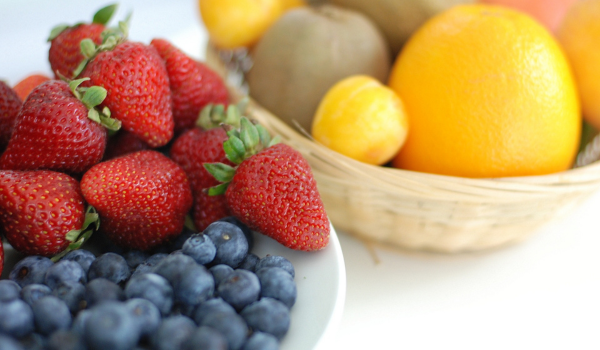
Raspberries, blackberries, blueberries, and strawberries are rich in fiber and antioxidants. They are easy to add to yogurt, oatmeal, or smoothies.
Apples And Pears With Skin
Keeping the skin on significantly increases fiber intake. These fruits make convenient snacks.
Avocados For Fiber And Healthy Fats
Avocados provide fiber along with heart-healthy fats that support satiety.
Bananas For Digestive Support
Bananas contain soluble fiber and are gentle on digestion, making them suitable for daily intake.
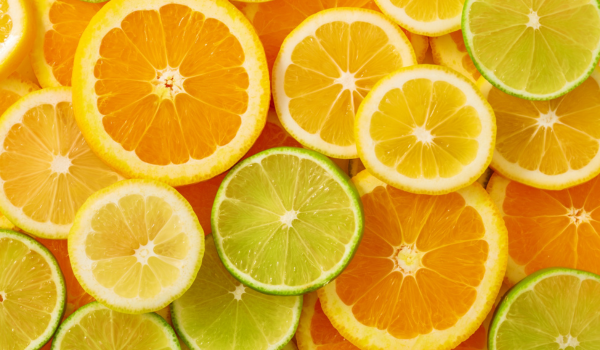
Oranges And Citrus Fruits
Whole citrus fruits offer fiber when eaten whole rather than juiced.
Vegetables That Boost Fiber Without Extra Effort
Vegetables are among the most effective fiber sources.
Leafy Greens For Easy Volume
Spinach, kale, romaine, and Swiss chard add fiber without excessive calories.
Cruciferous Vegetables For Digestive Health
Broccoli, cauliflower, Brussels sprouts, and cabbage provide fiber and support detoxification.
Root Vegetables For Sustained Energy
Carrots, sweet potatoes, beets, and parsnips contain fiber and slow-digesting carbohydrates.
Legumes And Green Vegetables
Green peas, green beans, and edamame are fiber-rich and versatile.
Whole Grains That Increase Fiber Intake Naturally
Replacing refined grains with whole grains significantly boosts fiber.
Oats For Soluble Fiber
Oats are rich in beta-glucan, a soluble fiber that supports heart health and satiety.
Brown Rice And Whole Wheat Options
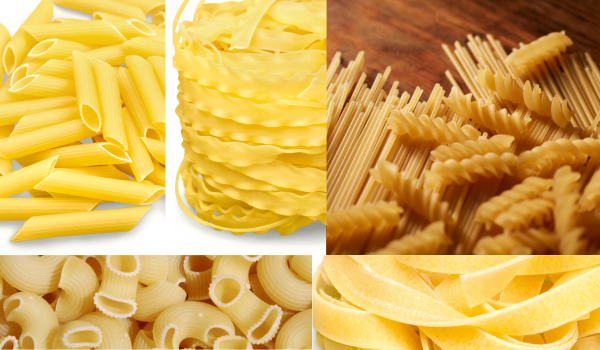
Choosing brown rice, whole wheat bread, and whole grain pasta increases fiber compared to refined versions.
Quinoa And Barley For Variety
These grains provide fiber, protein, and essential minerals.
Popcorn As A Whole Grain Snack
Air-popped popcorn is a high-fiber snack when prepared without excessive butter or sugar.
Legumes And Beans As Fiber Powerhouses
Legumes provide some of the highest fiber content per serving.
Lentils For Easy Meals
Lentils cook quickly and work well in soups, salads, and grain bowls.
Black Beans, Chickpeas, And Kidney Beans
These beans support digestion, blood sugar control, and satiety.
Split Peas For Hearty Dishes
Split peas offer fiber and protein, making them ideal for soups.
Canned Beans For Convenience
Rinsed canned beans retain fiber and save time.
Nuts And Seeds That Add Fiber In Small Portions
Nuts and seeds provide concentrated fiber and healthy fats.
Chia Seeds And Flaxseeds
These seeds are high in soluble fiber and support gut health.
Almonds And Pistachios
Nuts offer fiber, protein, and healthy fats in moderate portions.
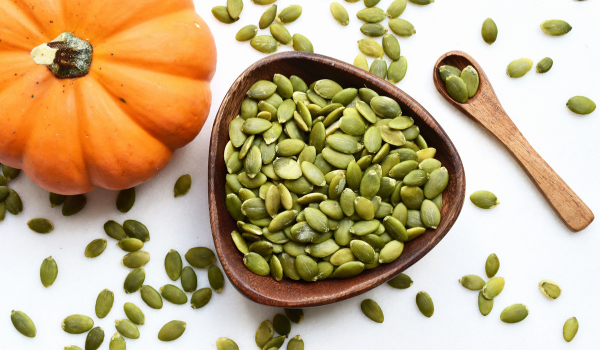
Pumpkin And Sunflower Seeds
Seeds add fiber and micronutrients to salads and snacks.
Simple Ways To Add More Fiber To Everyday Meals
Small adjustments make a big difference.
Upgrade Breakfast Choices
Choose oatmeal over refined cereal, add berries to yogurt, or include seeds in smoothies.
Enhance Lunch And Dinner Plates
Add vegetables to sandwiches, choose whole grains, and include legumes in meals.
Snack With Fiber In Mind
Pair fruit with nuts, vegetables with hummus, or popcorn with seasoning.
Increase Fiber Gradually
Sudden increases may cause bloating. Gradual changes allow digestion to adapt.
Drink Enough Water
Fiber works best when combined with adequate hydration.
Common Mistakes When Increasing Fiber Intake
Avoiding these mistakes improves comfort and consistency.
Adding Too Much Fiber Too Quickly
Rapid increases may cause gas and discomfort.
Relying On Supplements Instead Of Food
Whole foods provide fiber along with essential nutrients.
Ignoring Food Variety
Different fiber sources support different gut bacteria.
Neglecting Hydration
Insufficient fluids can worsen constipation.
Who Benefits Most From A High-Fiber Diet
Fiber supports health across all life stages.
People Managing Weight
Fiber promotes fullness and reduces calorie intake naturally.
Individuals With Blood Sugar Concerns
Fiber improves glucose control and insulin sensitivity.
Those With Digestive Issues
Proper fiber intake supports regular digestion when increased gradually.
Anyone Focused On Long-Term Wellness
High-fiber diets reduce the risk of heart disease and certain cancers.
Conclusion
Adding fiber to your daily diet does not require major changes or complicated meal plans. By choosing fruits, vegetables, whole grains, legumes, nuts, and seeds, it is easy to meet fiber needs while improving digestion, heart health, and overall well-being. Gradual changes and consistent habits lead to lasting benefits. Explore more nutrition guides and begin incorporating high-fiber foods into your meals today to support long-term health.


.png)









.png)
.png)
.png)
.png)
.png)
.png)
.png)
.png)
.png)
.png)
.png)
.png)
.png)
.png)



.png)
.png)
.png)
.png)

