
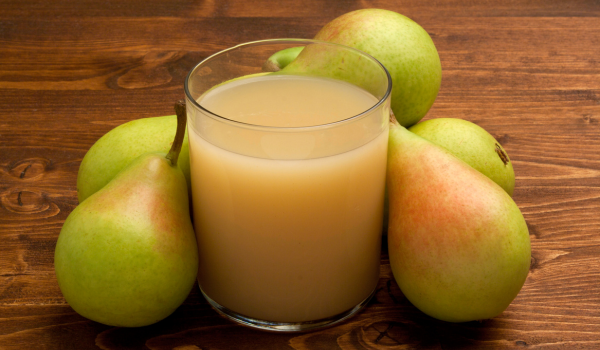
Pear juice is a lightly sweet, gentle-tasting beverage often consumed on its own, blended with other juices, or used as a natural sweetener in desserts. It provides carbohydrates, small amounts of fiber, and potassium. Drinking pear juice regularly may affect your body in several ways, depending on portion size and overall diet quality.
May Support Hydration
Pear juice is made mostly of water along with naturally occurring fruit sugars.
Fluid Intake Contribution
Drinking pear juice can contribute to daily fluid intake and help support hydration, especially when consumed occasionally as part of a varied beverage routine.
Not A Primary Hydration Source
Although it contains water, pear juice should not replace plain water. Optimal hydration is best achieved by combining water, whole foods, and a variety of fluids rather than relying on fruit juice alone.
May Provide A Mild Energy Boost
Pear juice contains carbohydrates that the body can absorb quickly.
Natural Sugar Content
The natural sugars in pear juice can provide short-term energy by rapidly increasing blood glucose levels, which may lead to a brief feeling of increased alertness.
Temporary Effect
This energy boost is usually short-lived and may be followed by a drop in energy, especially if pear juice is consumed without protein, fiber, or fat.
May Support Digestive Comfort
Pear juice contains compounds that may influence digestion.
Sorbitol Content
Pear juice is higher in sorbitol than many other fruit juices. Sorbitol is a sugar alcohol that draws water into the intestines, which may help soften stools and relieve occasional constipation.
Gentler On The Stomach
Because pear juice is less acidic than many other fruit juices, it may be easier to tolerate for people with sensitive stomachs.
Possible Digestive Upset
In some individuals, especially when consumed in large amounts, sorbitol may worsen diarrhea or cause bloating.
May Affect Blood Sugar Levels
Pear juice contains natural sugars and may also include added sugars in commercial products.
Blood Sugar Rise
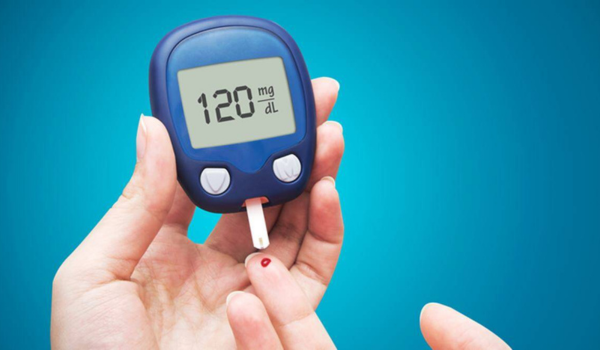
A typical glass of pear juice contains a moderate amount of sugar, which can raise blood glucose levels, particularly when consumed on an empty stomach.
Added Sugar Risk
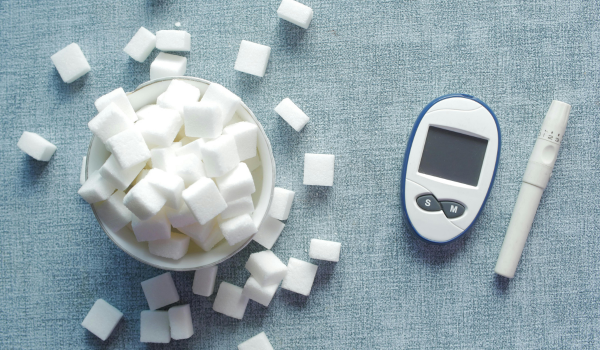
Many pear juice products include added sugars, increasing the risk of excessive sugar intake, weight gain, and metabolic issues.
Individual Considerations
People with diabetes or insulin resistance should monitor juice intake carefully and consult a healthcare provider if consuming juice regularly.
Pear Juice Nutrition Overview
Here is the approximate nutritional content of 100 milliliters of 100% pear juice:
Energy And Macronutrients
Pear juice provides carbohydrates with minimal protein and fat.
Fiber And Potassium
While it contains some fiber and potassium, the amounts are lower than those found in whole pears.
Whole Pears Versus Pear Juice
Choosing between whole pears and pear juice can significantly affect nutrient intake.
Higher Fiber In Whole Fruit
Whole pears contain substantially more fiber, which supports blood sugar control, digestion, and cholesterol balance.
Greater Antioxidant Content
Whole pears provide more polyphenols with antioxidant properties. Juicing reduces these compounds, while blending preserves more fiber and antioxidants.
Better Overall Nutritional Value
For most people, eating whole pears is a more nutritious option than drinking pear juice, especially for long-term health.
Final Takeaway
Drinking pear juice regularly may support hydration, provide short-term energy, and aid digestion for some individuals. However, due to its sugar content and lower fiber levels, pear juice is best consumed in moderation. Choosing whole pears more often can provide greater nutritional benefits and better support blood sugar and digestive health.


.png)











.png)
.png)
.png)
.png)


.png)
.png)
.png)
.png)
.png)
.png)
.png)
.png)
.png)
.png)




.png)
.png)
.png)
.png)

