Histamine is a naturally occurring chemical involved in immune responses, digestion, and communication between nerve cells. It is released by the immune system during allergic reactions and is also found in many foods. In most people, histamine is broken down in the gut by specific enzymes. However, when this process is impaired, histamine can accumulate in the body and trigger a wide range of symptoms.
A low-histamine diet focuses on reducing dietary sources of histamine to help relieve symptoms such as bloating, fatigue, headaches, and skin reactions in people who are sensitive to histamine.
How A Low-Histamine Diet Works
Some individuals have difficulty breaking down histamine due to reduced activity of the enzyme responsible for its metabolism in the gut. When histamine builds up, it may cause symptoms such as abdominal pain, diarrhea, bloating, hives, itching, flushing, fatigue, headaches, and breathing discomfort.
Certain medications can temporarily worsen histamine intolerance by lowering enzyme activity. In these cases, dietary changes may help reduce symptoms.
A low-histamine diet works by limiting foods that naturally contain high levels of histamine or that stimulate histamine release. Research suggests that reducing dietary histamine may lower circulating histamine levels and improve symptoms in people with histamine intolerance.
Guidelines For Following A Low-Histamine Diet
Histamine tolerance varies widely from person to person, which means there is no single diet that works for everyone. In addition, histamine levels in foods can change based on freshness, storage conditions, processing methods, acidity, and fermentation.
Because of this variability, a completely histamine-free diet is not possible. The goal is instead to reduce exposure to foods known to be high in histamine while identifying personal tolerance levels through careful observation.
What To Eat On A Low-Histamine Diet
Many fresh, minimally processed foods are considered suitable for a low-histamine diet when consumed soon after preparation.
Grains And Starches
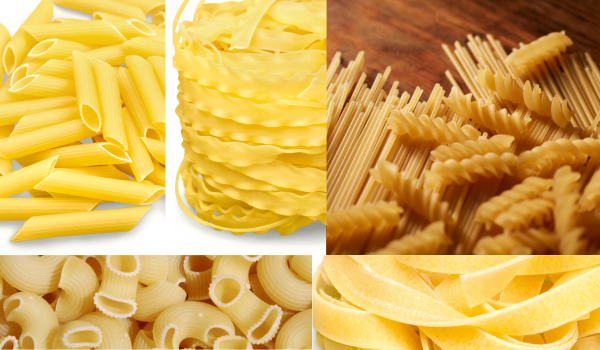
Bread, rice, pasta, potatoes, millet, buckwheat, corn, and most cereals
Dairy Products
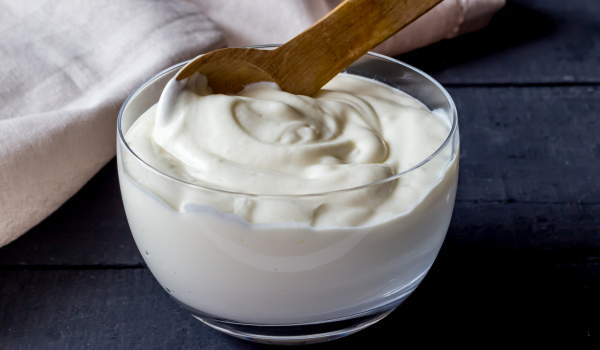
Fresh yogurt, fresh soft cheeses, butter, and margarine
Vegetables
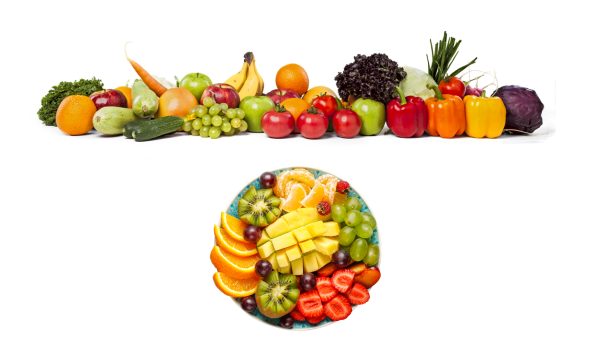
Lettuce, broccoli, cauliflower, carrots, garlic, onions, cucumber, zucchini, pumpkin, peppers, radishes, artichokes, asparagus, chicory, and rhubarb
Fruits
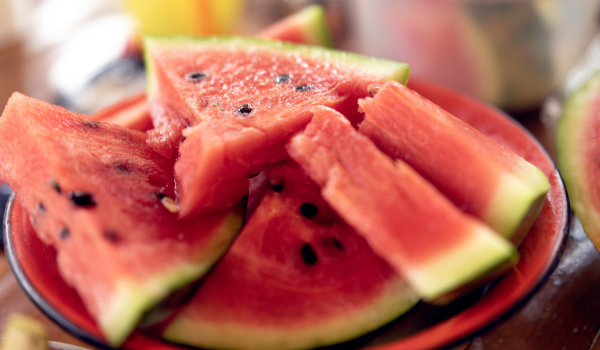
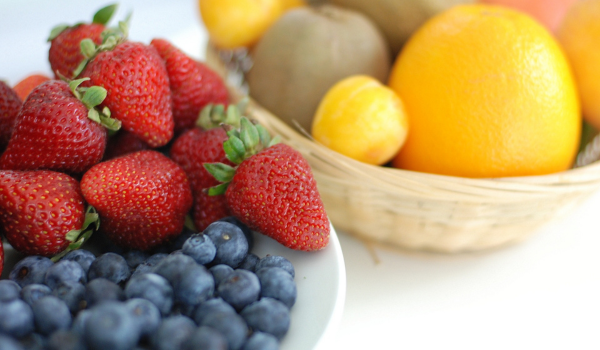
Apples, pears, cherries, peaches, apricots, blueberries, watermelon, and sour cherries
Proteins
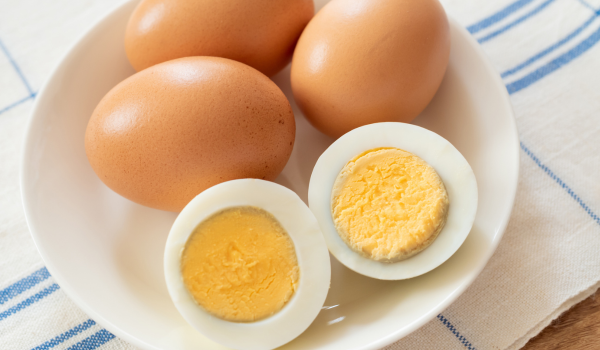
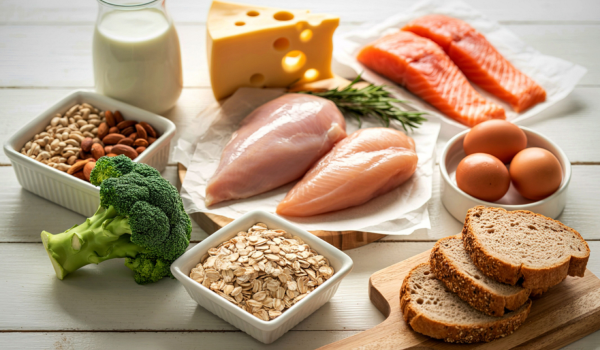
Fresh poultry, beef, veal, lamb, pork, eggs, and certain fresh white fish
Fats And Condiments
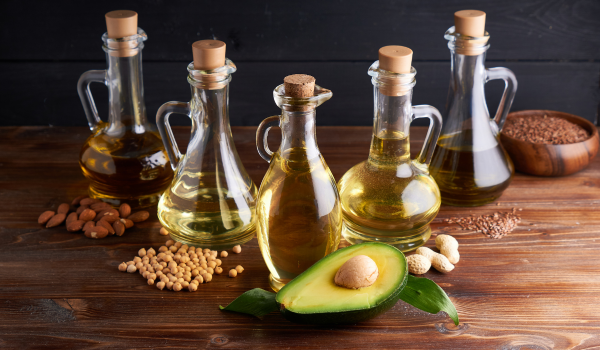
Vegetable oils, vinegar, honey, and jams made from permitted fruits
Herbs And Spices
Most fresh herbs and mild spices
What To Drink On A Low-Histamine Diet
Low-Histamine Beverages
Water
Herbal teas
Freshly prepared juices made from permitted fruits and vegetables
Foods To Avoid On A Low-Histamine Diet
Foods that are aged, fermented, cured, or stored for long periods tend to be high in histamine and should be limited or avoided.
High-Histamine Protein Sources
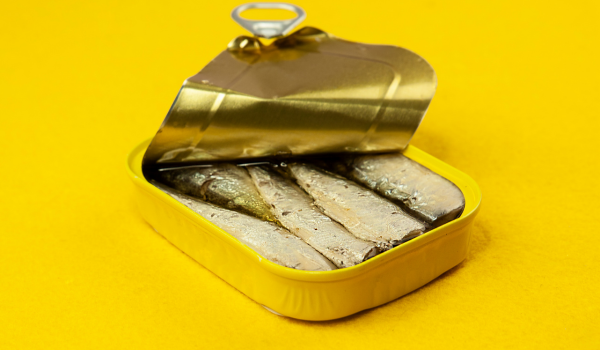
Canned tuna and sardines
Fatty fish such as salmon, tuna, herring, and mackerel
Shellfish including shrimp, oysters, and clams
Dairy And Fermented Foods
Aged cheeses such as cheddar, parmesan, gouda, and feta
Sauerkraut, soy sauce, miso, tempeh, and fermented sausages
Fruits And Vegetables High In Histamine
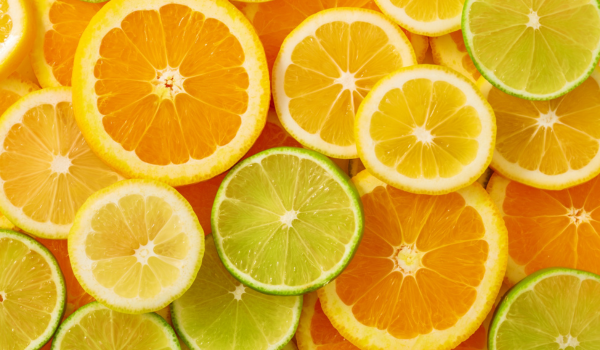
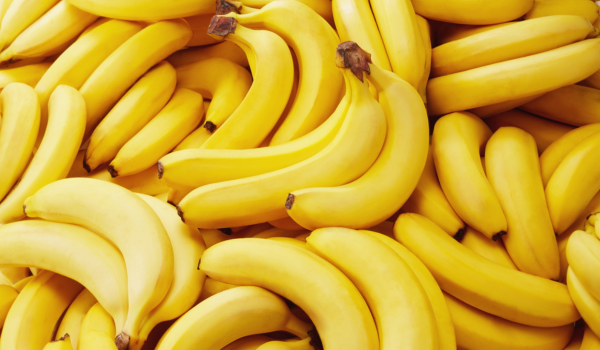
Avocado, banana, kiwi, citrus fruits, strawberries, pineapple
Tomatoes, spinach, and eggplant
Other Foods To Avoid
Chocolate
Peanuts
Tree nuts such as walnuts, almonds, pistachios, and cashews
Drinks To Avoid
High-Histamine Beverages
Wine
Beer
Fermented drinks such as kombucha
Low-Histamine Meal Ideas
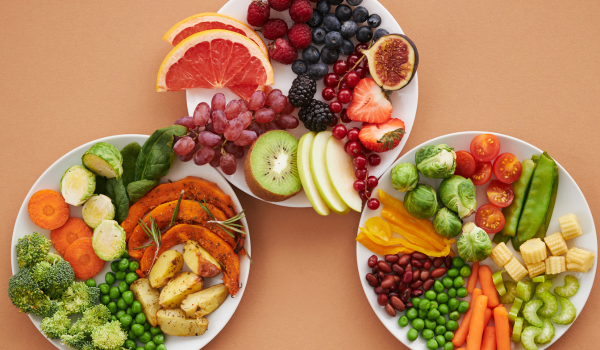
A balanced low-histamine meal plan may include a variety of fresh foods prepared simply.
Sample Day
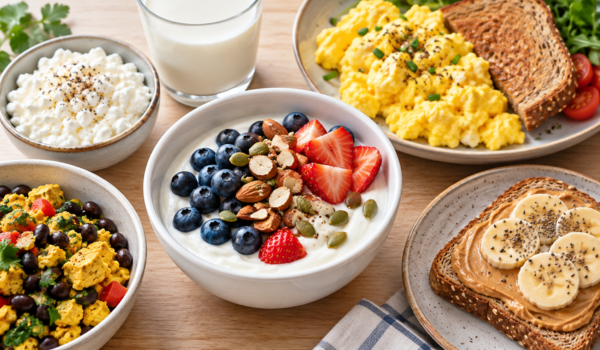
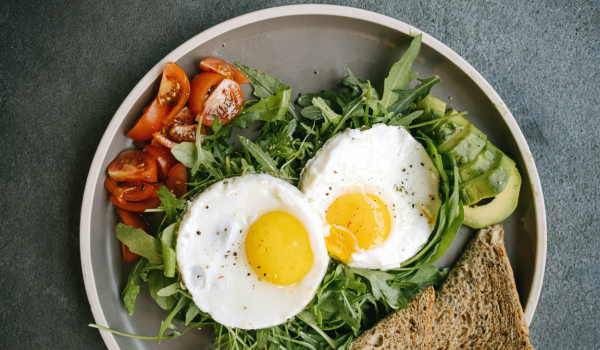
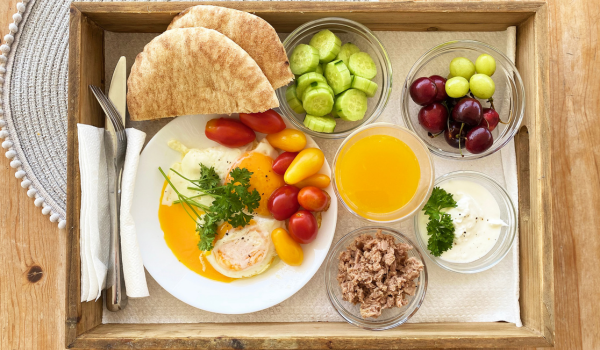
Breakfast: Scrambled eggs with cottage cheese, lettuce, cucumber, carrots, and bell peppers
Lunch: Buckwheat bowl with grilled white fish, steamed broccoli, and a yogurt-based dressing
Snack: Homemade oatmeal cookies with milk
Dinner: Beef and lamb stew with potatoes, carrots, onions, and fresh parsley
Potential Benefits Of A Low-Histamine Diet
Histamine intolerance may cause digestive symptoms, skin reactions, headaches, dizziness, fatigue, rapid heartbeat, nasal congestion, and breathing discomfort.
Reducing dietary histamine may help lower blood histamine levels and ease symptoms in sensitive individuals. Research suggests that a low-histamine diet may also improve chronic urticaria (hives), a condition linked to excessive histamine release.
In some studies, individuals with unexplained chronic hives experienced reduced symptom severity after following a low-histamine diet for several weeks.
Is A Low-Histamine Diet Safe?
Current evidence suggests that a low-histamine diet is generally safe and may benefit people with histamine intolerance or histamine-related conditions. However, symptoms similar to histamine intolerance can also be caused by other medical conditions, so medical guidance is recommended before starting the diet.
Drawbacks And Limitations
Nutrient Restrictions
The diet excludes several nutrient-rich foods, including fermented foods, nuts, and fatty fish, which may lead to nutritional gaps if followed long-term.
Unclear Histamine Levels In Foods
Histamine content varies widely depending on food handling and storage, making it difficult to define exact safe limits.
Individual Tolerance Differences
Each person’s reaction threshold is different, requiring trial and error to identify personal triggers.
Diet Complexity
The restrictive nature of the diet can make it difficult to follow consistently and socially.
Lack Of Standardized Protocols
There is no universally accepted low-histamine diet plan, and more research is needed to establish best practices.

.png)
.png)
.png)
.png)
.png)
.png)
.png)
.png)
.png)
.png)
.png)
.png)
.png)
.png)
.png)


.png)
.png)
.png)
.png)