.png)
Healthy eating is often portrayed as complicated, restrictive, or time-consuming. New diet trends arrive every year, and each one promises dramatic results—if you can stick with their rules long enough. But for most people, life is busy, energy is limited, and motivation rises and falls. Strict diets rarely fit into everyday routines, which is why many people start strong but slip back into old habits within weeks. The path to long-term health rarely comes from pressure or perfection. Instead, the most lasting changes come from simple, realistic habits that feel natural, flexible, and sustainable. When food choices align with your lifestyle rather than fight against it, healthy eating becomes stress-free and part of how you live—not something you struggle to control.
Why Stress Makes Good Nutrition Harder To Maintain
Stress isn’t just emotional—it affects every decision you make around food.
Decision Fatigue Reduces Willpower
Busy days filled with work, family responsibilities, errands, or deadlines leave little mental space for meal decisions. When the brain feels overwhelmed, it defaults to convenience foods—not because of laziness, but because it lacks capacity to plan.
Stress Hormones Influence Cravings
Cortisol increases appetite and often drives preferences toward sugary, fatty, or salty foods. These choices provide temporary relief, but the body eventually crashes, leading to guilt or frustration.
Restriction Increases Stress Even More
Avoiding certain foods entirely or tracking every bite can trigger anxiety and preoccupation. The more pressure you apply, the harder it becomes to listen to hunger cues, enjoy meals, and maintain balance.
Reducing stress around eating starts with the mindset that your habits should support your life, not disrupt it.
Sustainable Habits Grow From Small, Repeatable Choices
Big changes may feel inspiring, but small adjustments create lasting results.
Focus On One Habit At A Time
Trying to change everything at once—meal planning, sugar reduction, hydration, exercise—is overwhelming. Instead, pick one small habit and build consistency. Once it feels normal, add another.
Aim For Progress, Not Perfection
Every nutritious choice counts. One balanced meal per day still improves health. Missing a day doesn’t mean starting over—it means continuing forward.
Use Habits That Fit Your Existing Lifestyle
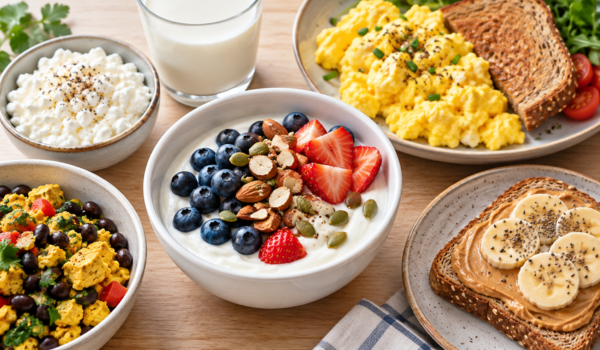
If you dislike cooking elaborate meals, choose simple foods like stir-fries, salads, grain bowls, or rotisserie chicken. If mornings are rushed, keep portable foods on hand for fast breakfasts.
Small changes done daily become long-term routines without feeling forced.
Build A Flexible Eating Framework Instead Of A Strict Meal Plan
You don’t need a detailed schedule—just a structure that guides choices.
Use The Balanced Plate Approach
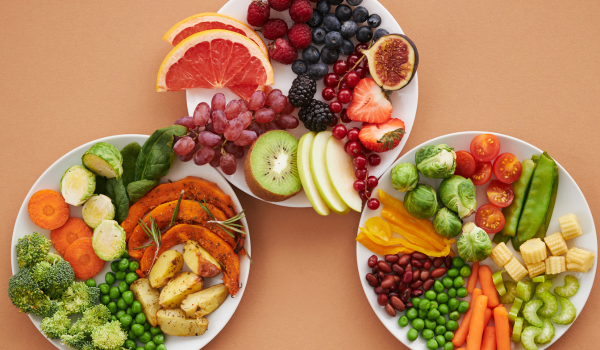
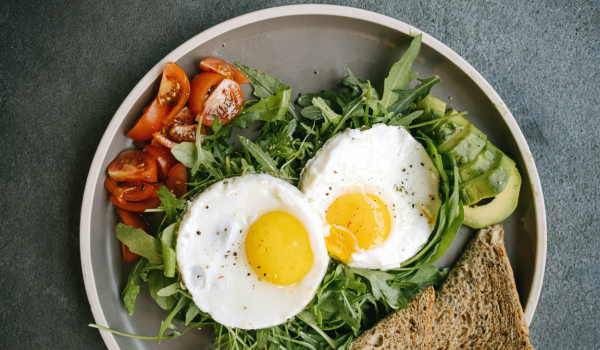
Half vegetables or fruits, one-quarter protein, one-quarter whole grains or starch, plus optional healthy fats. This formula works at home, in a restaurant, or from leftovers.
Create A Short List Of Go-To Meals
Pick three to five meals that are easy, affordable, and enjoyable. Rotate them weekly and switch sides or sauces to keep them fresh.
Allow Space For Favorites
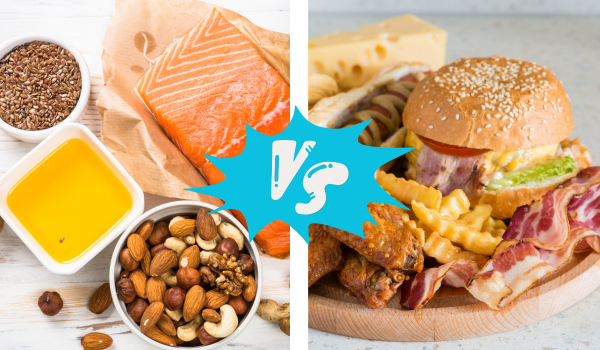
Pizza, burgers, desserts, and takeout can still fit into a balanced lifestyle. The key is frequency and portion—not elimination.
When plans can adapt to busy days, travel, or unexpected events, healthy eating maintains momentum instead of collapsing.
Make The Environment Work For You, Not Against You
Success often comes from shaping what’s around you—not just relying on willpower.
Keep Nutrient-Rich Foods Visible And Accessible
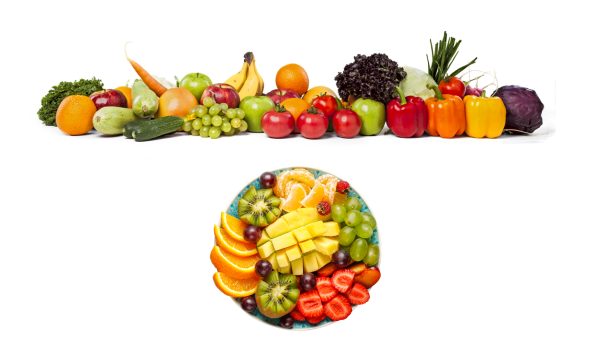
Wash fruit, chop vegetables, cook protein, or set healthy snacks eye-level in the fridge. What you see first is what you’ll reach for most often.
Stock Ingredients That Reduce Barriers
Frozen vegetables, canned beans, pre-washed greens, eggs, nuts, and yogurt allow fast meals without prep. Convenience can be healthy when chosen wisely.
Reduce Temptation Without Banning Foods
Store sweets and treats in smaller portions or out of sight. Not forbidden—just less automatic.
Changing what surrounds you makes healthy decisions feel effortless rather than a discipline challenge.
Allow Your Appetite, Energy, And Routine To Guide You
Bodies are dynamic—your food needs shift throughout the day and across seasons of life.
Honor Real Hunger Cues
Eat when you are physically hungry—not when stressed, bored, or pressured by social cues. Learning the difference prevents overeating and under-eating.
Notice How Foods Make You Feel
Meals that energize you, keep you satisfied, and support digestion should become part of your regular rotation. Foods that leave you sluggish or overly full can be eaten less often.
Adjust Portions To Your Activity
More movement may require more calories or protein; restful days may call for lighter meals. Listening to your body keeps eating intuitive instead of rule-based.
Your body is an active partner—not an obstacle—in forming long-lasting nutrition habits.
Build Habits That Support Your Whole Lifestyle
Food is only one part of the bigger picture. Other daily practices shape how well nutrition works for you.
Prioritize Sleep
Lack of sleep increases hunger cues, reduces satiety, and worsens cravings. Consistent rest supports appetite, food choices, and metabolism.
Move Frequently, Not Perfectly
Regular movement sharpens hunger regulation and helps the body use nutrients more efficiently. Short walks and stretch breaks are enough to make a difference.
Stay Hydrated
Dehydration often masquerades as hunger or fatigue. Carrying a water bottle prevents unnecessary snacking and supports digestion.
Manage Stress In Healthy Ways
Breathing practices, hobbies, walks, journaling, time outdoors, or quiet breaks can reduce emotional eating habits.
Sustainable eating thrives when lifestyle habits work in harmony—not conflict.
Remove All-Or-Nothing Thinking From Your Mindset
Black-and-white rules sabotage progress.
There Are No “Perfect” Foods
Every food offers something—nutrition, comfort, joy, connection. Removing moral judgment creates more relaxed and intuitive eating.
A Single Meal Never Determines Success
One indulgent dinner does not undo days of nourishment. Likewise, one salad doesn’t instantly transform your health. Consistency matters more than isolated choices.
Balance Comes From Averages, Not Moments
Aim for overall patterns: mostly whole foods, regular hydration, moderate portions, and flexible snacks.
Letting go of extremes frees you to enjoy food fully while still taking care of your body.
Conclusion
Sustainable eating is built from choices that feel practical, flexible, and aligned with your lifestyle—not rigid rules or constant pressure. When you simplify habits, lower stress, and design routines that support your environment, your body naturally moves toward nourishment, balance, and well-being. Remember that every small step matters—one healthy swap, one nourishing meal, one week of steady water intake. Over time, these actions accumulate into long-term habits that feel natural rather than forced.
Begin today with one gentle change and let consistency—not perfection—carry you forward on your wellness journey.

.png)







.png)
.png)
.png)
.png)

.png)
.png)
.png)
.png)
.png)
.png)
.png)
.png)
.png)
.png)


.png)
.png)
.png)
.png)