

A relationship with food is shaped by memories, emotions, family experiences, culture, and personal habits. For many people, eating is more than a physical act—it connects to joy, coping, celebration, or stress. Because life changes constantly, the way you relate to food also evolves. Developing a healthy relationship with food takes time, patience, and self-awareness. Instead of strict rules or extremes, long-term nourishment grows from balance, trust, and compassion toward yourself.
Understanding What A “Healthy Relationship With Food” Really Means
A healthy relationship with food goes beyond what you eat—it includes how you think and feel about food.
Food As Fuel And Enjoyment
Food nourishes the body but can also bring pleasure and satisfaction.
No Foods Are Inherently “Good” Or “Bad”
Removing moral labels helps reduce shame and guilt.
Listening To Hunger And Fullness Signals
Your body sends cues that guide when and how much to eat.
Flexibility Over Perfection
Healthy eating is a pattern over time—not a single choice.
Why Food Rules Often Backfire
Strict rules may seem helpful but often create more challenges.
Restriction Heightens Cravings
Avoiding foods completely can increase desire for them.
All-Or-Nothing Thinking Leads To Guilt
If someone “breaks” a rule, they may spiral into overeating.
Short-Term Diets Ignore Long-Term Health
Quick fixes rarely lead to lasting nourishment.
Rules Disconnect You From Your Body
External guidance replaces internal awareness and intuition.
Learning To Trust Your Body’s Signals
Your body provides information if you learn how to hear it.
Hunger Is A Biological Message—Not A Failure
Denying hunger often leads to overeating later.
Fullness Develops Gradually
Eating slowly helps you notice when your body has had enough.
Satiety Feels Better Than Stuffed
Comfortable fullness supports energy and mood.
Cravings Carry Information
Sometimes cravings signal emotional needs or nutrient gaps.
Letting Go Of Food Guilt And Shame
Food guilt can damage emotional and physical health.
Guilt Disconnects You From Enjoyment
Food becomes stressful instead of nourishing.
Shame Leads To Secretive Or Emotional Eating
Avoidance increases anxiety around food.
Self-Compassion Encourages Growth
Treating yourself gently supports change.
Your Worth Is Not Based On What You Eat
Food choices do not define personal value.
Finding Balance Instead Of Perfection
Balance allows food to serve your body without controlling your life.
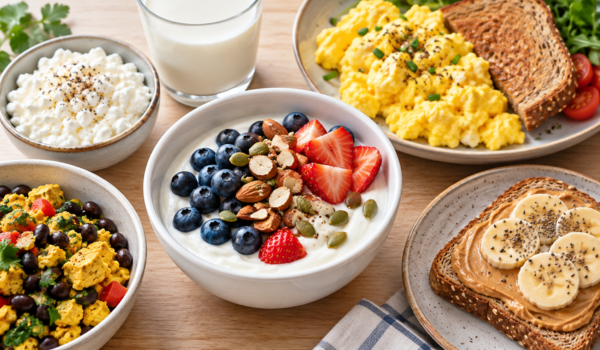
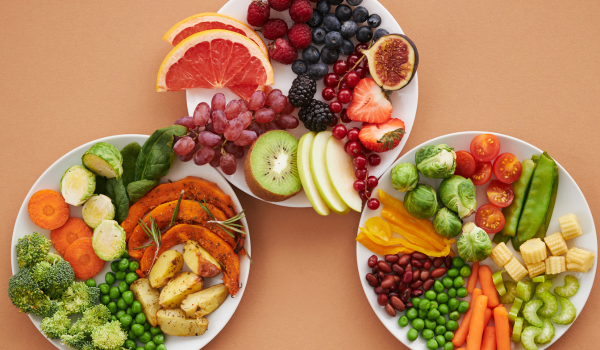
Include All Food Groups Regularly
Eating widely supports nutrient diversity.
Build Meals That Satisfy And Nourish
Protein, fats, and carbohydrates work together.
Allow Fun Foods Without Fear
Desserts, snacks, and treats fit into a balanced pattern.
Long-Term Patterns Matter Most
A week or month is a better measure than a single day.
The Role Of Emotions In Your Food Journey
Emotions often influence eating habits—sometimes quietly.
Food Can Be Comforting—And That Is Okay
Emotional eating is not always negative.
Awareness Helps You Choose Intentionally
Notice why you are eating before reacting.
Build A Toolbox Of Coping Skills
Walking, journaling, talking, and rest all support well-being.
Self-Soothing Without Food Builds Confidence
Options strengthen emotional resilience.
Making Peace With Previously “Off-Limit” Foods
Allowing all foods back into your life takes practice.
Start By Adding Foods Without Judgment
Neutral language reduces emotional charge.
Eat Slowly And Pay Attention
Notice texture, flavors, and satisfaction.
Observe How Foods Make You Feel
Physical sensations offer useful feedback.
Over Time, Cravings Lose Power
When foods are allowed, they become less overwhelming.
Building Habits Gradually And Intentionally
Long-term change comes from consistency and patience.
Set Manageable Goals
Choose one or two habits at a time.
Choose Enjoyable Foods
Satisfaction supports sustainability.
Think Addition, Not Restriction
Add nourishing foods instead of eliminating foods.
Celebrate Progress, Not Perfection
Every step builds confidence.
Creating A Supportive Food Environment
Small changes in your environment make healthy choices easier.
Keep Nourishing Foods Accessible
Visibility increases likelihood of use.
Reduce Decision Fatigue
Stock a few reliable staples.
Make Eating Pleasant And Calm
Set the table, take a breath, and enjoy.
Surround Yourself With Encouragement
Friends, family, or professionals can help if needed.
How Culture And Community Influence Food
Food is deeply tied to identity and belonging.
Honor Food Traditions
Cultural dishes hold meaning and connection.
Share Meals When Possible
Eating with others enhances satisfaction.
Learn From Different Food Experiences
Diverse flavors improve nutritional variety.
Let Food Support Joy And Connection
Shared meals foster emotional nourishment too.
When To Seek Extra Support
Sometimes guidance from others strengthens the journey.
Registered Dietitians Provide Evidence-Based Advice
Professional support helps personalize choices.
Counselors Can Address Emotional Eating
Therapy supports mental and emotional well-being.
Support Groups Offer Connection
Shared experiences reduce isolation.
Seeking Help Is A Sign Of Strength
Growth often begins with asking for guidance.
The Long-Term View Of A Healthy Food Relationship
Your relationship with food evolves across seasons of life.
Your Needs Will Change Over Time
Health status, stress, aging, and activity all shift.
Flexibility Allows Adaptation
Rigid thinking cannot support life’s changes.
Focus On How Food Makes You Feel
Pleasure and nourishment coexist.
A Healthy Relationship Is Ongoing
It strengthens with practice, awareness, and patience.
Conclusion
A healthy relationship with food is not defined by perfect choices, flawless meals, or constant discipline. It grows from trust, self-compassion, flexibility, and curiosity. Over time, you can learn to honor your hunger, respect fullness, enjoy food without guilt, and make choices that support your body and your life. Nourishment is not only about nutrients—it is about connection, comfort, energy, pleasure, and well-being. Building that relationship takes time, and every meal presents an opportunity for kindness, understanding, and growth.

.png)










.png)
.png)
.png)
.png)

.png)
.png)
.png)
.png)
.png)
.png)
.png)
.png)
.png)
.png)


.png)
.png)
.png)
.png)

