.png)
Changing the way you eat doesn’t have to be overwhelming or all-or-nothing. In fact, trying to overhaul your entire diet overnight is one of the main reasons healthy habits don’t stick. Instead, the most successful and sustainable approach is to make small, doable changes and allow them to build gradually over time. When you focus on one simple shift each week—rather than trying to perfect everything at once—you create momentum, confidence, and long-term habits that genuinely feel natural.
This weekly approach works whether your goals are eating more whole foods, managing energy levels, improving digestion, supporting heart health, or simply feeling more nourished. Better yet, it helps reshape routines at a pace that matches everyday life—work, family, travel, and all the unexpected interruptions. Here’s how to build healthy eating habits week by week, without restriction or stress.
Week 1: Add One Extra Serving Of Vegetables Each Day
Start With The Most Accessible Step
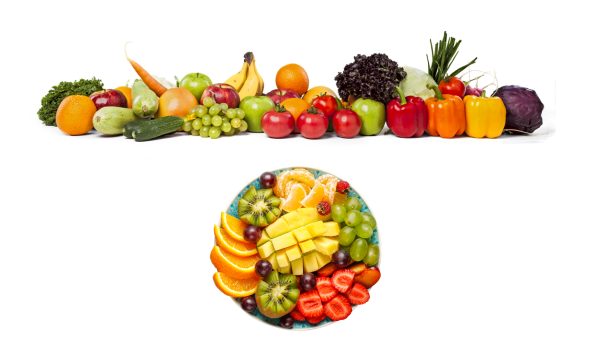
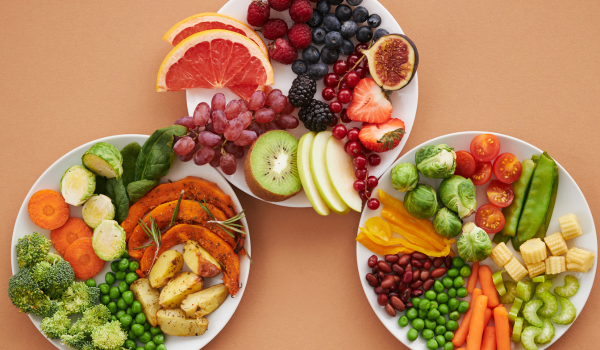
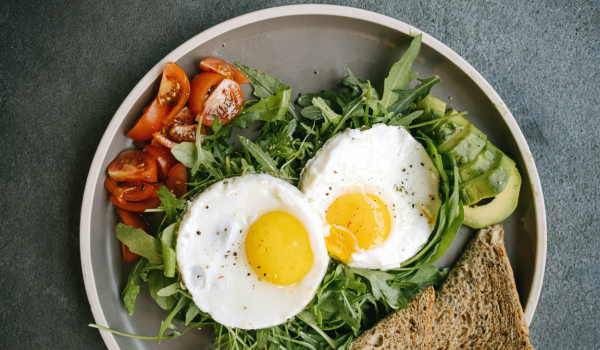
Vegetables are packed with fiber, vitamins, minerals, and antioxidants that support almost every function in the body. But for many people, getting enough feels like a daily struggle. Instead of aiming for perfection, just add one serving a day to what you already eat—baby carrots with lunch, spinach in scrambled eggs, or broccoli tossed into a dinner stir-fry.
Keep It Convenient
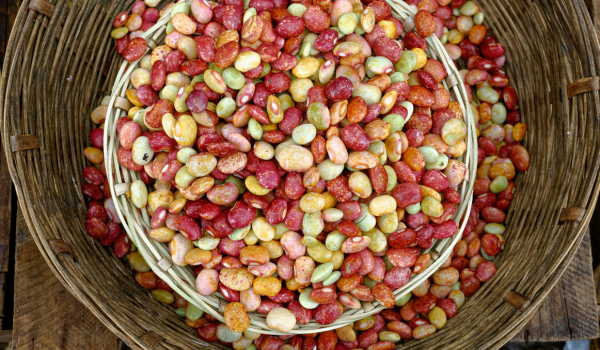
Pre-washed greens, frozen vegetable mixes, canned beans, and steam-in-bag options remove all the friction. Convenience counts more than creativity at this stage.
Celebrate Progress
Whether you get one serving or three, you’re already ahead of where you started. Small wins compound rapidly.
Week 2: Choose A Whole Grain For One Meal
Swap Instead Of Restrict
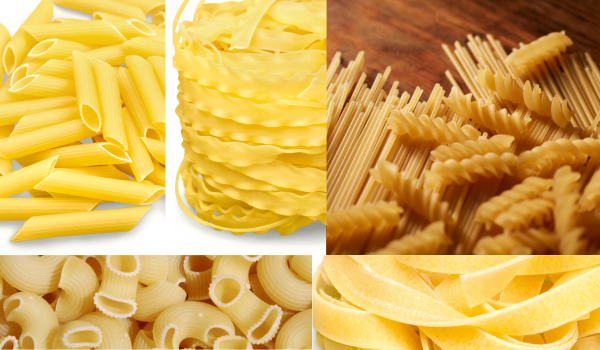
Whole grains—such as brown rice, oats, quinoa, barley, or whole-wheat pasta—provide more fiber, nutrients, and steady energy compared to refined grains. You don’t need to eliminate anything; simply replace one refined grain per day with a whole-grain choice.
Make It Easy
Add oats to breakfast, choose whole grain bread for a sandwich, or try brown rice in your burrito bowl. Frozen or microwavable options cook in minutes and fit into busy schedules.
Notice How You Feel
Many people experience smoother digestion, more consistent energy, and longer fullness within days of including whole grains.
Week 3: Drink One More Glass Of Water Daily
Hydration Powers Everything
Water helps regulate temperature, cushion joints, support digestion, transport nutrients, and maintain mental clarity. Even mild dehydration can feel like fatigue, mood swings, or brain fog.
Make Water Front And Center
Keep a bottle on your desk, in your bag, or in your car. Drink a glass when you wake up or before each meal.
Still Enjoy Flavor
Sparkling water, infused citrus slices, or mint leaves offer variety without added sugar. More hydration naturally crowds out sugary or calorie-dense beverages.
Week 4: Add Lean Protein To Each Meal
Fuel Muscle And Energy
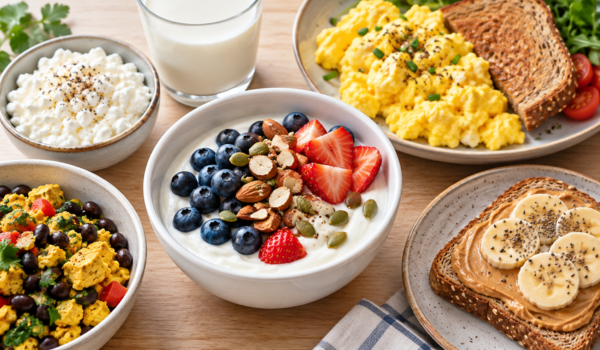
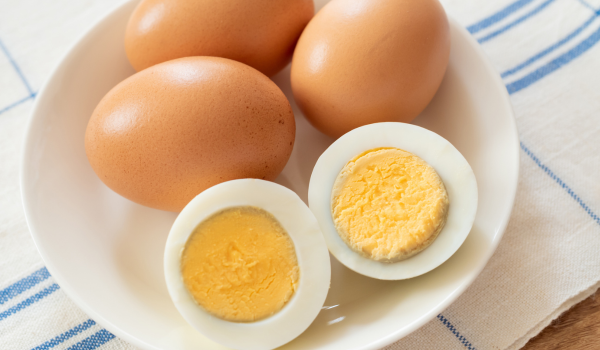
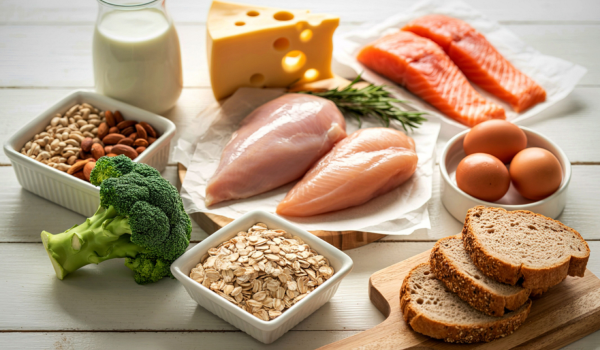
Protein supports muscle repair, stable blood sugar, and satiety. Aim for lean sources such as poultry, eggs, fish, beans, lentils, tofu, yogurt, or nuts.
Balance Your Plate
Simply including protein in each meal can prevent cravings later in the day and reduce mindless snacking.
Keep Protein Flexible
Whether you meal prep chicken breasts, build plant-based bowls, or rely on canned tuna and beans, small additions make a big impact.
Week 5: Swap One Snack For A Whole-Food Option
Upgrade Without Eliminating
Snacks can be enjoyed every day—they just become more supportive when they include fiber, protein, or healthy fats. Replace chips or pastries a few days a week with hummus and veggies, nut butter apples, yogurt bowls, trail mix, or popcorn.
Stock Smarter
If the foods you want to eat aren’t available, you won’t eat them. Keep a few go-to whole-food snacks at home, in the office, or in your car.
Avoid All-Or-Nothing Thinking
This is not about eliminating favorite treats—just giving your body better fuel most of the time.
Week 6: Build Balanced Plates Half The Time
Use A Simple Visual Guide
Aim for meals that roughly follow this structure:
-
½ vegetables or fruit
-
¼ protein
-
¼ whole grains or starch
-
Add healthy fats (olive oil, avocado, nuts, seeds)
Start Small
Even one balanced plate per day creates a noticeable difference in energy, digestion, and satisfaction.
Let Imperfection Be Okay
Not every meal needs to be picture-perfect—progress is the goal.
Week 7: Add One Fiber-Rich Food To Your Routine
Fiber Feeds Your Gut And Keeps You Full
Most people fall short of daily fiber needs. Add one of these foods daily to fill the gap:
-
Beans and legumes
-
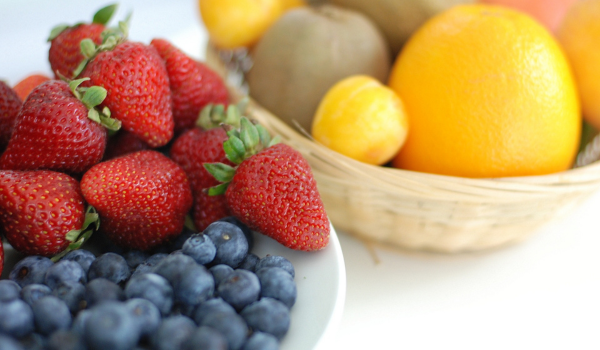
Berries
-
Whole grains
-
Nuts and seeds
-
Vegetables and leafy greens
-
Avocados
Pair With Water
Fiber works best when you stay hydrated—supporting regularity, blood sugar balance, and heart health.
Week 8: Make Home Meals Slightly More Frequent
Cooking Doesn’t Need To Be Fancy
Eating at home just 1–2 more times per week can save calories, reduce added sugar and sodium, and increase nutrient quality.
Use Shortcut Strategies
-
Rotisserie chicken + salad kit
-
Frozen stir-fry vegetables + tofu
-
Whole grain wrap + hummus + veggies
Time-saving meals count as home cooking.
Repeat Meals You Enjoy
You don’t need endless variety—a few simple favorites go a long way.
Week 9: Practice Mindful Eating For One Meal A Day
Slow Down And Tune In
Mindful eating helps you reconnect with hunger and fullness cues and makes meals more satisfying.
Put Away Distractions
Turn off screens, sit down, chew slowly, and notice flavors and textures.
No “Correct” Pace
Even tuning in for the first five bites helps build awareness and reduces overeating over time.
Week 10: Identify And Reduce “Automatic” Sugar
Taste Without Giving Up Sweetness
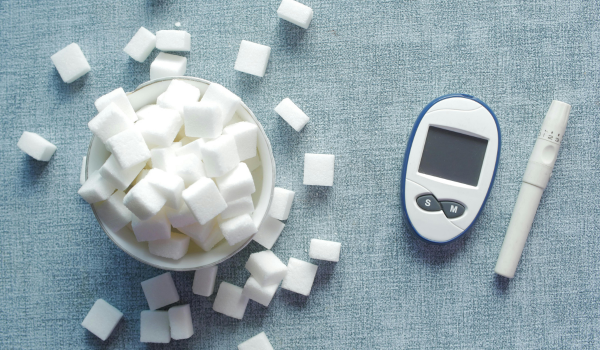
Instead of cutting sugar entirely, find places where it sneaks in—sweetened drinks, flavored coffee, sauces, cereal bars, or packaged snacks.
Try Natural Alternatives
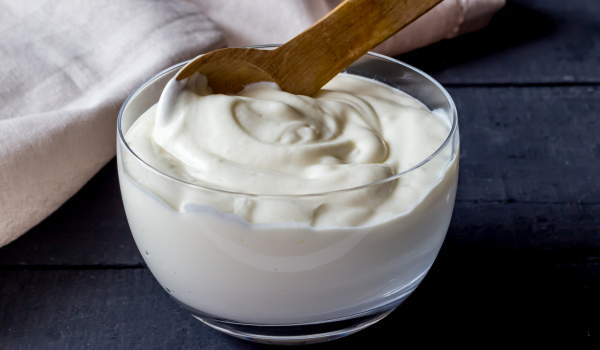
Fruit, dark chocolate, homemade smoothies, and unsweetened yogurt offer sweetness with nutrients.
Keep Enjoyment
This is not a sugar purge—it’s about reclaiming control.
Week 11: Add Healthy Fats Deliberately
Support Brain, Hormones, And Satisfaction
Add:
-
Olive oil
-
Avocado
-
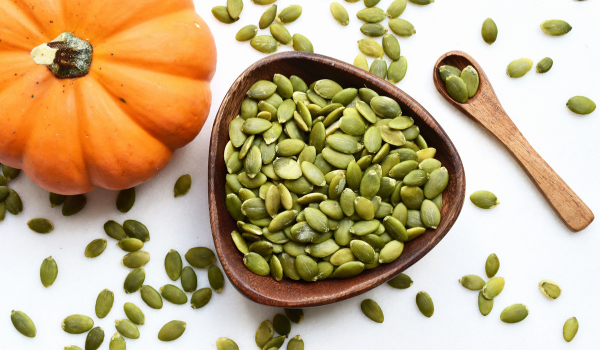
Nuts and seeds
-
Fatty fish (salmon, sardines)
-
Nut butters
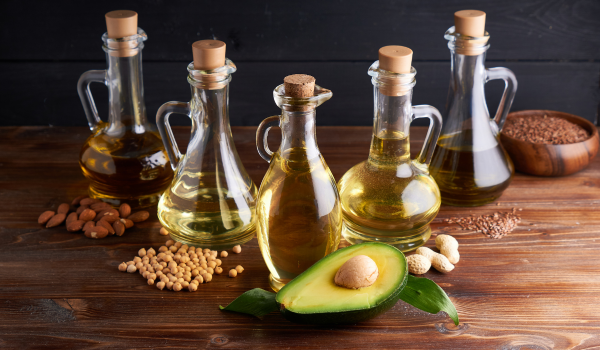
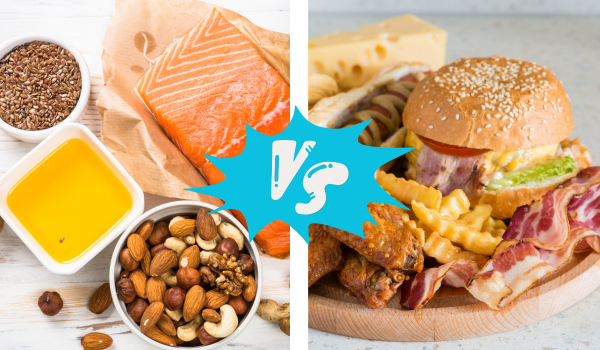
Healthy fats make meals taste better and help your body absorb vitamins A, D, E, and K.
Week 12: Build A Repeating Meal Rhythm
Create A System You Don’t Have To Think About
Choose 3–5 breakfasts, lunches, and dinners you enjoy and rotate them. Simplicity reduces fatigue and decision stress.
Keep Staples On Hand
Beans, eggs, rice, oats, greens, yogurt, canned fish, frozen produce, and nuts create endless combinations.
You’re Building A Lifestyle, Not A Phase
By week 12, these shifts form a strong foundation for lifelong habits.
Conclusion
Sustainable change comes from stacking small habits, not enforcing strict rules. When you improve eating patterns one week at a time—adding vegetables, upgrading grains, staying hydrated, balancing meals, reducing added sugars, and cooking more—you build a foundation that is flexible, enjoyable, and long-lasting. The goal isn’t perfection—it’s progress. When you focus on one step at a time, healthy eating becomes a lifestyle that fits real life instead of fighting it.

.png)




.png)
.png)
.png)
.png)
.png)
.png)
.png)
.png)
.png)
.png)
.png)
.png)
.png)
.png)


.png)
.png)
.png)
.png)