
.png)
Eating out has become a normal part of daily life in the United States. Whether it’s grabbing lunch during a busy workday, meeting friends for dinner, or ordering takeout after a long evening, restaurant meals are often unavoidable. While eating out can be enjoyable and convenient, it can also make healthy eating feel challenging. The good news is that building a healthy plate while dining out is absolutely possible with the right mindset and simple strategies. By making thoughtful choices, you can enjoy your meals while still supporting long-term health.
Why Eating Out Can Challenge Healthy Eating Habits
Restaurant meals are often designed for flavor and convenience rather than nutrition.
Portion Sizes Are Often Larger Than Needed
Restaurant servings are frequently much bigger than standard portions, leading to overeating.
Hidden Ingredients Can Add Extra Calories
Sauces, oils, and dressings often contain added sugars and fats.
Menus Are Designed To Encourage Indulgence
Descriptions and visuals may influence people to choose higher-calorie options.
Eating Out Can Disrupt Routine Eating Patterns
Irregular meal times and rushed decisions can affect food balance.
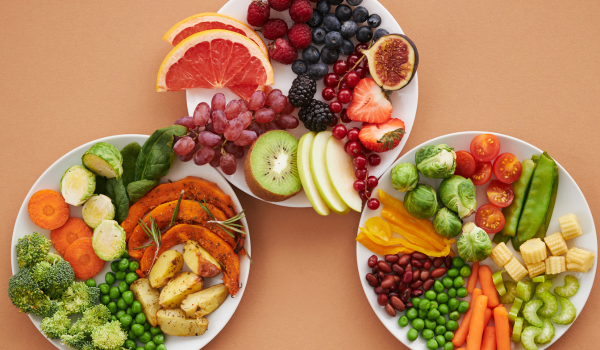
Understanding What A Healthy Plate Looks Like
A healthy plate focuses on balance rather than restriction.
Half The Plate With Vegetables
Vegetables provide fiber, vitamins, and minerals with fewer calories.
A Quarter With Lean Protein
Protein supports muscle maintenance and satiety.
A Quarter With Quality Carbohydrates
Whole grains and starchy vegetables provide energy.
Healthy Fats In Moderate Amounts
Fats enhance flavor and nutrient absorption.
Choosing Balanced Meals When Dining Out
Making smart choices starts with awareness.
Look For Grilled, Baked, Or Roasted Options
These cooking methods usually use less added fat.
Choose Meals With Whole Ingredients
Dishes featuring vegetables, whole grains, and lean proteins are better balanced.
Avoid Heavily Fried Or Breaded Items
These often contain excess fats and refined carbohydrates.
Request Simple Modifications When Needed
Asking for dressings or sauces on the side can make a big difference.
How To Navigate Restaurant Menus With Confidence
Menus can be overwhelming, but simple strategies help.
Scan The Menu Before Ordering
Look for balanced options before deciding.
Watch For Keywords
Terms like “fried,” “creamy,” or “crispy” often indicate higher calorie content.
Choose Sides Wisely
Swap fries for vegetables, salad, or whole grains when available.
Portion Control Matters
Sharing a meal or saving half for later helps prevent overeating.
Making Smart Choices At Fast Food And Casual Restaurants
Fast food can still fit into a healthy pattern.
Opt For Grilled Proteins Over Fried
Grilled options reduce unnecessary fat.
Choose Whole-Grain Breads When Available
Whole grains provide more fiber and nutrients.
Add Vegetables Whenever Possible
Extra vegetables increase volume and nutrition.
Limit Sugary Beverages
Water or unsweetened drinks support better health.
Balancing Meals When Ordering Takeout
Takeout can be balanced with mindful choices.
Mix And Match Food Groups
Combine protein, vegetables, and carbohydrates.
Avoid Overloading On Sauces
Request sauces on the side to control portions.
Split Meals When Portions Are Large
Save half for another meal.
Pair Meals With Lighter Sides
Balance heavier dishes with lighter options.
Managing Portions Without Feeling Restricted
Portion awareness supports comfort and energy.
Listen To Hunger And Fullness Cues
Stop eating when comfortably full.
Slow Down While Eating
Eating slowly helps recognize fullness signals.
Avoid Eating Straight From Containers
Plating food helps control portions.
Allow Room For Enjoyment
Enjoying food mindfully prevents overeating later.
Making Healthier Choices When Dining Socially
Social meals do not have to derail healthy habits.
Focus On Conversation, Not Just Food
Engagement reduces mindless eating.
Choose Balance Over Perfection
Enjoy meals without guilt.
Share Dishes When Possible
Sharing helps manage portions.
Stick To Personal Goals Without Pressure
Make choices that align with your well-being.
Building A Healthy Plate Across Different Cuisines
Many cuisines offer balanced options.
American Cuisine
Choose grilled meats, vegetables, and whole grains.
Mexican Cuisine
Opt for beans, lean proteins, and fresh vegetables.
Asian Cuisine
Focus on stir-fried vegetables, lean proteins, and moderate sauces.
Mediterranean Cuisine
Prioritize vegetables, olive oil, and lean proteins.
Supporting Energy And Digestion While Eating Out
Balanced meals support both comfort and energy.
Avoid Extremely Heavy Meals
Heavy meals may cause sluggishness.
Stay Hydrated Throughout The Meal
Water aids digestion.
Include Fiber-Rich Foods
Fiber supports fullness and digestion.
Balance Macronutrients
A mix of protein, carbs, and fats promotes stability.
Making Eating Out Part Of A Healthy Lifestyle
Eating out can coexist with healthy habits.
Plan Ahead When Possible
Knowing options reduces impulsive choices.
Practice Flexibility
Balance matters more than perfection.
Learn From Experience
Each meal provides insight for future choices.
Focus On Consistency, Not Perfection
Long-term habits matter most.
Developing Confidence In Your Food Choices
Confidence supports healthier decisions.
Trust Your Judgment
You know what makes you feel your best.
Let Go Of Food Guilt
Food is meant to be enjoyed.
Build Awareness Over Time
Experience improves decision-making.
Celebrate Balanced Choices
Recognize progress, not perfection.
Conclusion
Building a healthy plate while eating out in America is entirely possible with awareness, balance, and flexibility. By focusing on whole foods, reasonable portions, and mindful choices, it becomes easier to enjoy meals without compromising health goals. Eating out does not need to be restrictive or stressful. With simple strategies and a balanced mindset, it can be a satisfying part of a healthy lifestyle that supports long-term well-being.

.png)












.png)
.png)
.png)
.png)


.png)
.png)
.png)
.png)
.png)
.png)
.png)
.png)
.png)
.png)



.png)
.png)
.png)
.png)

