.png)
Eating healthy as a family does not have to be expensive or complicated. Many families believe that nutritious food costs more or requires special ingredients, but in reality, healthy eating can be affordable, practical, and enjoyable when approached with the right strategies. With thoughtful planning, smart shopping, and simple preparation methods, families can enjoy balanced meals that support health without straining the budget. The key is learning how to make nutritious choices work within everyday life.
Why Healthy Eating On A Budget Feels Challenging
Budget concerns often shape food choices for families.
Rising Food Costs Create Pressure
Grocery prices can make healthy choices feel out of reach.
Limited Time For Cooking
Busy schedules often push families toward convenience foods.
Marketing Of Processed Foods
Cheap, processed foods are often heavily promoted.
Uncertainty About Nutrition
Confusion about what is truly healthy can lead to unnecessary spending.
Understanding What Affordable Healthy Eating Really Means
Healthy eating does not require expensive or trendy foods.
Nutrition Comes From Simplicity
Basic ingredients can provide excellent nourishment.
Consistency Matters More Than Perfection
Regular healthy choices make a difference over time.
Balanced Meals Are More Important Than Variety
Simple meals can still be nutritionally complete.
Smart Planning Reduces Waste
Using ingredients efficiently saves money.
Smart Grocery Shopping Strategies For Families
Shopping habits strongly influence food budgets.
Create A Weekly Meal Plan
Planning meals helps avoid impulse purchases.
Shop With A List And Stick To It
Lists reduce unnecessary spending.
Buy Seasonal And Frozen Produce
These options are often more affordable and nutritious.
Choose Store Brands When Possible
Generic brands often offer the same quality at a lower cost.
Building Budget-Friendly Balanced Meals
Healthy meals can be affordable and satisfying.
Use Affordable Protein Sources
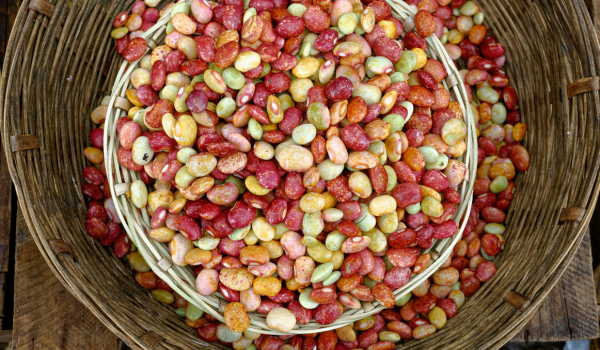
Eggs, beans, lentils, and canned fish are cost-effective options.
Add Whole Grains For Energy
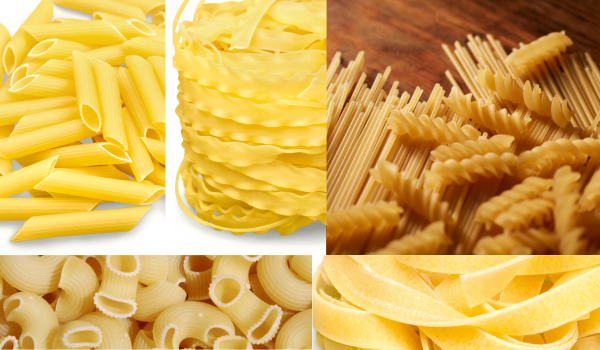
Rice, oats, and pasta provide long-lasting fuel.
Include Plenty Of Vegetables
Frozen or canned vegetables can be just as nutritious.
Use Simple Seasonings
Herbs and spices add flavor without extra cost.
Planning Meals That Work For The Whole Family
Family meals do not need to be complicated.
Cook Once, Eat More Than Once
Leftovers save time and money.
Create Flexible Meals
Use the same ingredients in different ways.
Involve Family Members In Planning
Participation increases acceptance of meals.
Balance Familiar Foods With New Options
Comfort foods help ease transitions to healthier meals.
Making Healthy Snacks Affordable
Snacks can be nutritious without being expensive.
Choose Whole Foods Over Packaged Snacks
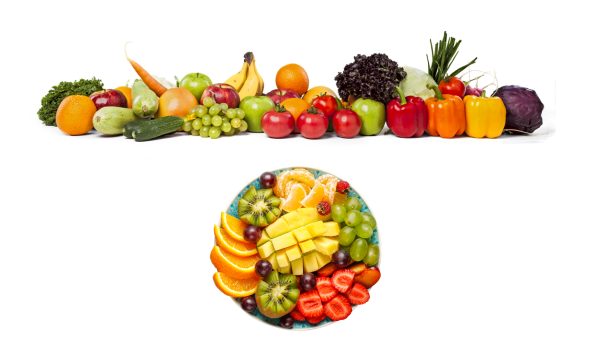
Fruits, popcorn, and yogurt are budget-friendly options.
Buy In Bulk When Possible
Bulk items often cost less per serving.
Prepare Snacks At Home
Homemade snacks reduce costs and added sugars.
Focus On Simple Combinations
Pair protein with fiber for longer-lasting energy.
Saving Money While Eating Out Or Ordering In
Eating out can still fit into a healthy budget.
Share Meals When Possible
Portions are often large enough for sharing.
Choose Restaurants With Balanced Options
Look for meals with vegetables and lean proteins.
Limit Sugary Drinks
Water helps reduce costs and calories.
Use Leftovers Wisely
Leftovers can become another meal.
Teaching Kids Healthy Eating On A Budget
Children can learn healthy habits early.
Involve Kids In Cooking
Participation increases interest in food.
Teach Simple Nutrition Concepts
Focus on balance rather than restriction.
Make Healthy Foods Fun
Presentation can encourage curiosity.
Avoid Using Food As A Reward
This supports a healthier relationship with food.
Reducing Food Waste To Save Money
Reducing waste supports both budget and sustainability.
Store Food Properly
Correct storage extends freshness.
Use Leftovers Creatively
Repurpose meals into new dishes.
Plan Meals Around What You Have
Using existing ingredients reduces waste.
Understand Expiration Labels
Many foods remain safe beyond printed dates.
Making Healthy Eating Sustainable Over Time
Long-term success comes from realistic habits.
Start With Small Changes
Gradual improvements are easier to maintain.
Avoid All-Or-Nothing Thinking
Balance matters more than perfection.
Adapt As Family Needs Change
Flexibility keeps habits sustainable.
Celebrate Progress, Not Perfection
Small wins build confidence.
Building A Supportive Food Environment At Home
The home environment shapes eating habits.
Keep Nutritious Foods Visible
Accessibility encourages healthier choices.
Limit Tempting Ultra-Processed Foods
Out of sight helps reduce temptation.
Eat Together When Possible
Shared meals promote healthier patterns.
Create Positive Mealtime Experiences
Enjoyment encourages consistency.
How Budget-Friendly Eating Supports Long-Term Health
Affordable healthy eating offers long-term benefits.
Improved Energy Levels
Balanced meals support daily activities.
Better Physical Health
Nutritious foods strengthen the body.
Improved Family Habits
Children learn lifelong skills.
Reduced Stress Around Food
Confidence replaces worry.
Conclusion
Healthy eating does not have to be expensive or complicated. With thoughtful planning, smart shopping, and simple meal strategies, families can enjoy nutritious, satisfying meals without stretching their budget. By focusing on balance, flexibility, and practical habits, healthy eating becomes an achievable and sustainable part of everyday family life.



.png)


















.png)
.png)
.png)
.png)


.png)
.png)
.png)
.png)
.png)
.png)
.png)
.png)
.png)
.png)




.png)
.png)
.png)
.png)