.png)
Eating more vegetables is one of the easiest and most effective ways to improve energy, digestion, heart health, and long-term wellness. Yet many people struggle to add them consistently—not because they dislike vegetables, but because preparing them feels time-consuming or requires changing familiar meals. The truth is that you don’t need to overhaul your diet to benefit from vegetables. With a few simple strategies, you can increase your intake using foods you already enjoy. Whether you’re cooking for yourself, feeding kids, or trying to stay nourished with a busy schedule, getting more vegetables becomes effortless when they blend naturally into your routine.
Start By Adding Vegetables Into Meals You Already Cook
You don’t need new recipes—just small adjustments to meals you love.
Mix Vegetables Into One-Pot Meals
Pasta sauces, soups, casseroles, stews, and stir-fries absorb vegetables beautifully. Add spinach to marinara, peppers to chili, carrots to curry, or zucchini to casseroles. Even adding one vegetable transforms nutrient density without changing flavor significantly.
Extend Protein Dishes With Produce
Tacos, meatloaf, burgers, and meat sauces all benefit from grated or finely chopped vegetables. Mushrooms, onions, carrots, cauliflower rice, and bell peppers blend easily into meat mixtures while enhancing moisture and texture.
Use Vegetables As Volume Boosters
Add an extra handful of mushrooms, spinach, or greens to meals you already prepare. Doubling vegetables—not the entire recipe—creates bigger servings with fewer calories and more nutrients.
You don’t need to reinvent your menu—just upgrade what’s already working.
Make Vegetables Easier To Eat Than Not Eat
Convenience is often the biggest obstacle. Remove friction and vegetables appear naturally in meals.
Wash And Chop Once For The Week
Preparing vegetables ahead of time means they’re waiting to be used. Keep washed lettuce, chopped carrots, sliced peppers, or prepped broccoli ready for quick grabbing.
Use Frozen And Canned Options
Frozen vegetables are nutritious, wash-free, cut-free, and last longer. Canned options—such as tomatoes, beans, or corn—simplify meal assembly. Just choose low-sodium or drain and rinse before use.
Store Vegetables Where You See Them
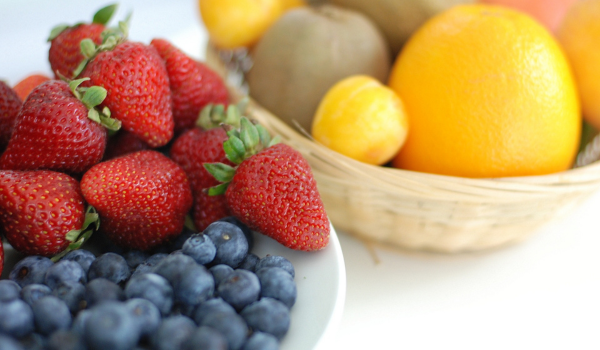
Put greens and berries in clear containers at eye level in the fridge. Hide sweets and snacks behind produce. Out of sight often means out of mind—and visible vegetables are more likely to be eaten.
Small tweaks to your kitchen setup dramatically increase vegetable usage without extra effort.
Blend Vegetables Smoothly Into Snacks And Breakfast
Vegetables don’t have to appear only on dinner plates.
Add Greens To Smoothies
Spinach, kale, or zucchini disappear into fruit smoothies without changing taste. Pair with bananas, berries, yogurt, or nut butter, and you’ll barely notice the vegetables.
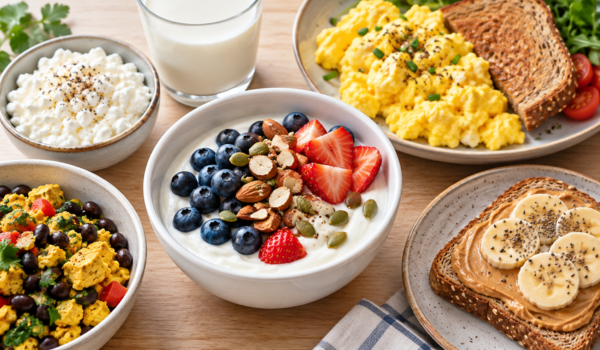
Use Veggie-Filled Egg Dishes
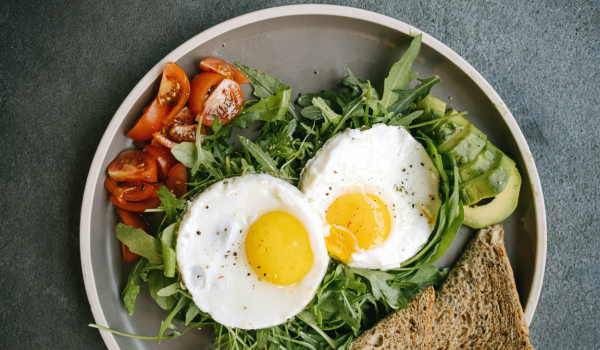
Scrambles, omelets, breakfast burritos, and quiches are perfect for mushrooms, spinach, tomatoes, onions, or peppers. Even a small amount boosts fiber and antioxidants.
Swap Snacks For Veggie-Powered Alternatives
Replace chips occasionally with hummus and carrots, cucumber slices with dip, roasted chickpeas, or veggie sticks. Adding just one vegetable-based snack per day increases intake significantly over time.
Morning and midday vegetables support energy, hydration, and a strong start to the day.
Turn Vegetables Into Toppings, Add-Ins, And Extras
Instead of making vegetables the center of the meal, let them play supporting roles.
Top Your Meals With Produce
Add fresh tomatoes, onions, salsa, herbs, sprouts, avocado, or cucumber slices to tacos, sandwiches, burgers, grain bowls, and wraps. These toppings provide crunch, color, and flavor.
Use Vegetables As Condiments
Pico de gallo, kimchi, pickled onions, sauerkraut, roasted peppers, and slaws bring brightness and nutrients without much prep.
Include Side Vegetables Automatically
Instead of thinking “Do I want vegetables?” make sides default—steamed broccoli with pasta, roasted carrots with chicken, or a simple salad bowl before dinner.
Vegetables don’t need to be fancy to be powerful—they just need to show up on the plate.
Let Convenience Work For You, Not Against You
If vegetables are difficult to prepare, they won’t become habits.
Try Pre-Washed Vegetable Mixes
Bagged salads, chopped stir-fry blends, slaw mix, and shredded carrots reduce prep time. These are perfect for busy weeks or uninspired cooking nights.
Keep Ready-To-Eat Options Handy
Cherry tomatoes, baby spinach, snap peas, and baby carrots require almost no prep. Add them to meals or snacks to boost volume easily.
Use Appliances And Shortcuts
Air fryers, microwaves, and steam-in-bag vegetables make cooking faster and less messy. No need to preheat ovens or roast for long periods.
Convenience is not cheating—it's strategy.
Reinvent Favorite Foods With a Vegetable Twist
You don’t have to give up comfort foods—just upgrade them subtly.
Blend Vegetables Into Sauces
Puree carrots, squash, cauliflower, or sweet potato into tomato sauce or mac and cheese. This adds creaminess and nutrients without altering flavor dramatically.
Swap Small Parts Instead Of Entire Meals
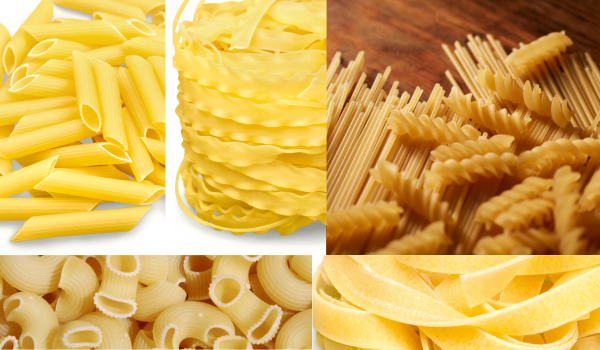
Use half cauliflower rice with rice, replace half the pasta with zucchini noodles, or add mushrooms to pizza crust. Small swaps go unnoticed but add up significantly.
Layer Vegetables Into Handheld Favorites
Tacos, burgers, wraps, and subs easily hold tomatoes, onions, lettuce, slaw, or roasted vegetables. The flavor becomes richer, not compromised.
You enhance meals you already love while nourishing your body.
Create New Habits Around Vegetables Gradually
You don’t need to go from zero to eight servings a day.
Start With One Extra Serving Per Day
Add a handful of spinach, a tablespoon of salsa, or a side salad. Once this habit sticks, add another small boost.
Repeat A Few Favorite Vegetables Often
You do not need variety every day to benefit. Eating broccoli three times a week or carrots daily is better than aiming for perfection and doing nothing.
Involve Family Members
Kids and adults alike are more likely to eat vegetables if they help choose or prepare them—washing lettuce, stirring sauce, or picking toppings.
Habits that feel achievable are the ones that last.
Conclusion
Eating more vegetables doesn’t require changing your menu, switching diets, or spending hours in the kitchen. Simple actions—adding vegetables to meals you already love, choosing convenient options, using prepped or frozen produce, transforming comfort foods, and incorporating vegetables into snacks and breakfast—can dramatically increase intake over time. Small improvements repeated daily create long-term health benefits, from better energy and digestion to stronger immunity and weight balance.
Try one strategy at your next meal and watch how effortless boosting vegetables can become. Explore more everyday nutrition tips to keep building a balanced and enjoyable lifestyle.

.png)




.png)
.png)
.png)
.png)
.png)
.png)
.png)
.png)
.png)
.png)
.png)
.png)
.png)
.png)


.png)
.png)
.png)
.png)