
.png)
Eating a balanced meal does not require exotic ingredients or complicated nutrition rules. In fact, many everyday American foods can be combined easily to create meals that support energy, digestion, heart health, and long-term wellness. A balanced plate helps regulate blood sugar, control portion sizes, and ensure the body receives essential nutrients at each meal. This guide explains how to build a balanced plate using familiar American foods, making healthy eating practical, sustainable, and accessible.
Understanding What A Balanced Plate Means
A balanced plate is a visual and practical way to structure meals so that the body receives the right combination of nutrients without calorie counting or restrictive dieting.
The Core Components Of A Balanced Plate
A balanced plate generally consists of vegetables, protein, carbohydrates, and healthy fats. Each component plays a specific role in energy production, muscle maintenance, digestion, and hormone regulation.
Why Balance Matters For Daily Health
Meals that lack balance often lead to energy crashes, overeating, cravings, or digestive discomfort. Including all food groups helps stabilize blood sugar and keeps you satisfied longer.
Using Portion Guidance Instead Of Counting Calories
Rather than tracking numbers, a balanced plate uses proportions. This method is easier to follow, reduces stress around food, and supports consistent healthy choices.
Vegetables As The Foundation Of The Plate
Vegetables should make up the largest portion of a balanced plate due to their fiber, vitamins, minerals, and low calorie density.
Why Vegetables Matter Most
Vegetables provide antioxidants, support digestion, and reduce inflammation. They help control appetite while delivering essential micronutrients.
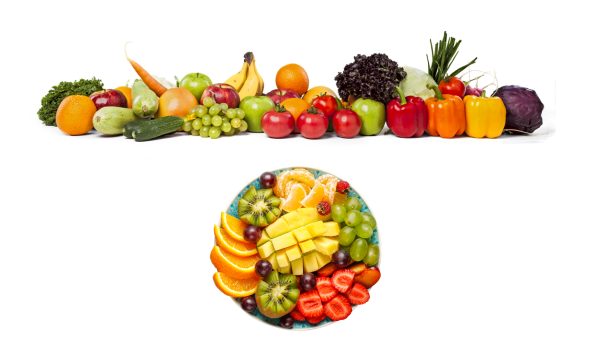
Everyday American Vegetable Options
Common vegetables found in American kitchens work perfectly, including broccoli, carrots, green beans, spinach, romaine lettuce, bell peppers, zucchini, cauliflower, tomatoes, and sweet corn.
Cooked Vs. Raw Vegetables
Both forms offer benefits. Raw vegetables provide crunch and hydration, while cooked vegetables may be easier to digest and improve nutrient absorption for some people.
How Much To Include On The Plate
Ideally, vegetables should fill about half of the plate. This allows room for other nutrients while prioritizing fiber and volume.
Protein For Strength And Satiety
Protein supports muscle maintenance, immune health, hormone production, and long-lasting fullness.
Why Protein Is Essential At Every Meal
Meals without protein often lead to hunger soon after eating. Protein slows digestion and helps maintain stable energy levels.
Common American Protein Sources
Everyday options include chicken breast, turkey, lean ground beef, eggs, salmon, tuna, shrimp, canned beans, lentils, Greek yogurt, cottage cheese, tofu, and peanut butter.
Animal And Plant Protein Balance
Both animal and plant proteins can fit into a balanced plate. Rotating sources helps increase nutrient variety and supports overall health.
Recommended Plate Portion
Protein should take up roughly one-quarter of the plate, or about the size of the palm of your hand.
Carbohydrates That Support Energy And Focus
Carbohydrates are the body’s primary fuel source, especially for the brain and muscles.
Choosing Quality Over Quantity
Not all carbohydrates are equal. Whole, minimally processed carbs provide fiber and sustained energy, unlike refined carbohydrates that cause spikes and crashes.
Everyday American Carb Options
Balanced choices include brown rice, whole wheat bread, oats, quinoa, corn, potatoes, sweet potatoes, beans, lentils, and whole grain pasta.
Why Whole Grains Are Preferable
Whole grains contain fiber and B vitamins that support digestion and energy metabolism. They also help control blood sugar.
Portion Size For Balance
Carbohydrates should fill about one-quarter of the plate, similar to protein portions.
Healthy Fats For Nutrient Absorption And Hormone Balance
Healthy fats are often misunderstood but are essential for long-term health.
The Role Of Healthy Fats
Fats support brain health, hormone production, joint health, and the absorption of fat-soluble vitamins.
Common American Sources Of Healthy Fats
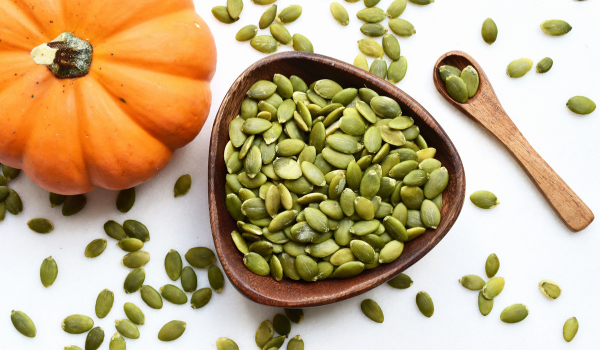
Olive oil, avocado, nuts, seeds, peanut butter, almond butter, and fatty fish such as salmon are widely available and easy to include.
How Much Fat Is Enough
Healthy fats are calorie-dense, so smaller portions are sufficient. A drizzle of olive oil, a small handful of nuts, or a slice of avocado is usually enough.
Building A Balanced Plate For Breakfast
Breakfast sets the tone for energy and appetite throughout the day.
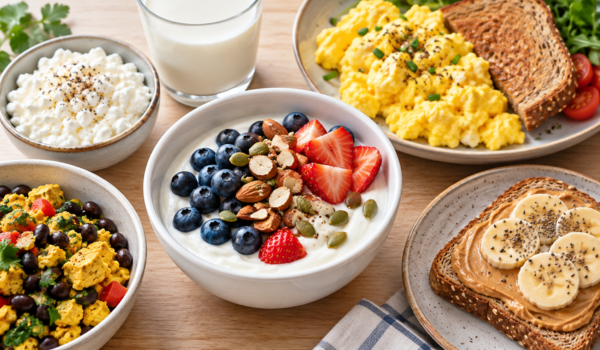
Balanced American Breakfast Examples
Scrambled eggs with spinach and whole wheat toast
Greek yogurt with berries, oats, and nuts
Oatmeal topped with peanut butter and banana
Whole grain toast with avocado and a boiled egg
Why Breakfast Balance Matters
A balanced breakfast helps prevent mid-morning cravings and improves focus and productivity.
Building A Balanced Plate For Lunch
Lunch should refuel the body without causing sluggishness.
Everyday Balanced Lunch Ideas
Grilled chicken salad with mixed greens, vegetables, olive oil, and whole grain bread
Turkey sandwich on whole wheat bread with vegetables and fruit
Leftover salmon with brown rice and steamed broccoli
Bean and vegetable soup with a side of whole grain crackers
Avoiding The Afternoon Energy Crash
Balanced lunches prevent blood sugar dips that often occur after high-carb or high-fat meals.
Building A Balanced Plate For Dinner
Dinner should support recovery, digestion, and restful sleep.
Simple Balanced Dinner Examples
Baked salmon with sweet potato and green beans
Lean beef stir-fry with vegetables and brown rice
Roasted chicken with quinoa and roasted vegetables
Tofu and vegetable bowl with olive oil dressing
Timing And Portion Awareness
Eating balanced portions and avoiding overly heavy meals late at night improves digestion and sleep quality.
Common Mistakes That Disrupt Plate Balance
Understanding what throws off balance helps build better habits.
Overloading On Refined Carbs
Meals centered around white bread, fries, or sugary foods lack fiber and protein, leading to hunger and energy crashes.
Skipping Vegetables
Many meals include protein and carbs but neglect vegetables, reducing nutrient intake and fullness.
Ignoring Healthy Fats Completely
Avoiding fats entirely can negatively affect hormone health and nutrient absorption.
Eating One Food Group Alone
Meals made up of only carbs or only protein fail to support stable energy and satisfaction.
Practical Tips To Maintain Balanced Eating Long Term
Consistency matters more than perfection.
Use The Plate Method At Home And Restaurants
Visualizing half vegetables, one-quarter protein, and one-quarter carbs works anywhere, even when dining out.
Plan Meals Around Protein And Vegetables First
Starting with these components makes it easier to add carbs and fats in appropriate portions.
Stock Balanced Staples At Home
Keeping vegetables, lean proteins, whole grains, and healthy fats available makes balanced meals easier.
Allow Flexibility Without Guilt
Occasional unbalanced meals do not undo healthy habits. Focus on patterns, not perfection.
Conclusion
Building a balanced plate using everyday American foods is simple, practical, and sustainable. By prioritizing vegetables, including adequate protein, choosing quality carbohydrates, and adding healthy fats in moderation, meals can support energy, digestion, and long-term health. This approach removes the need for complicated diets and empowers individuals to make healthier choices at every meal. Explore more nutrition guides and start applying the balanced plate method today to support lifelong wellness.

.png)

















.png)
.png)
.png)
.png)


.png)
.png)
.png)
.png)
.png)
.png)
.png)
.png)
.png)
.png)




.png)
.png)
.png)
.png)

