.png)
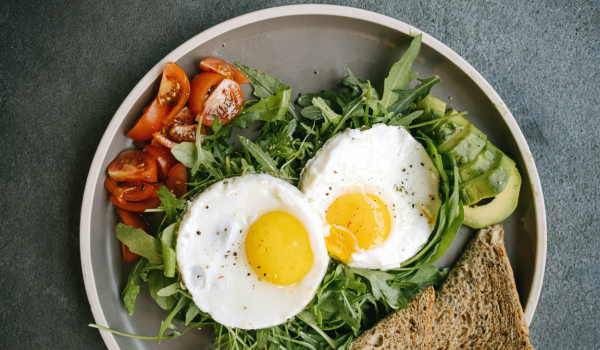
Many people believe that eating well requires strict recipes, precise measurements, and detailed meal plans. In reality, balanced eating does not depend on rigid instructions or complicated cooking skills. Learning how to build balanced meals without recipes allows for flexibility, creativity, and confidence in daily food choices. When you understand simple nutritional principles, you can prepare satisfying meals using what you already have, even on the busiest days.
Why You Do Not Need Recipes To Eat Well
Recipes can be helpful, but they are not essential for balanced nutrition.
Recipes Can Feel Restrictive
Following exact steps may limit flexibility and creativity.
Real Life Often Requires Adaptation
Ingredients and time are not always predictable.
Nutrition Is About Balance, Not Precision
Perfect measurements are not required for healthy eating.
Confidence Grows With Practice
Learning to trust your judgment builds long-term success.
Understanding What Makes A Meal Balanced
Balanced meals support energy, fullness, and overall health.
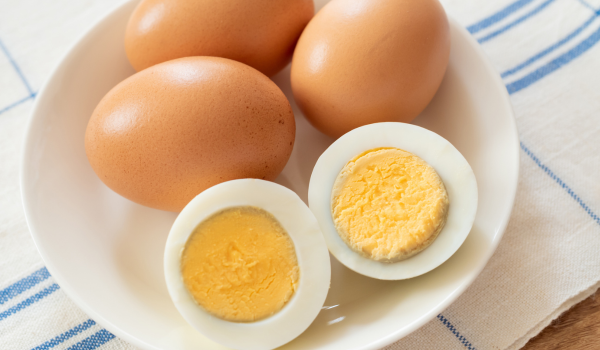
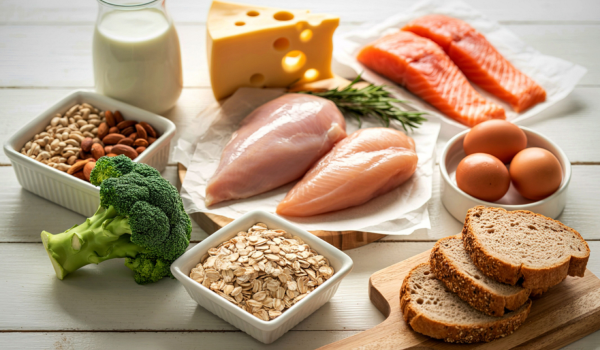
Protein Provides Structure And Satiety
Protein helps maintain muscle and keeps you full longer.
Carbohydrates Supply Energy
Carbs fuel the body and brain for daily activities.
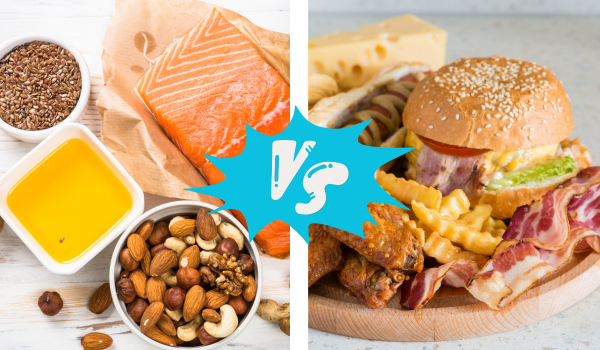
Healthy Fats Support Satisfaction
Fats enhance flavor and promote fullness.
Fiber Adds Volume And Digestive Support
Fiber helps regulate digestion and appetite.
Using Visual Cues Instead Of Measurements
You do not need measuring tools to eat well.
Use Your Plate As A Guide
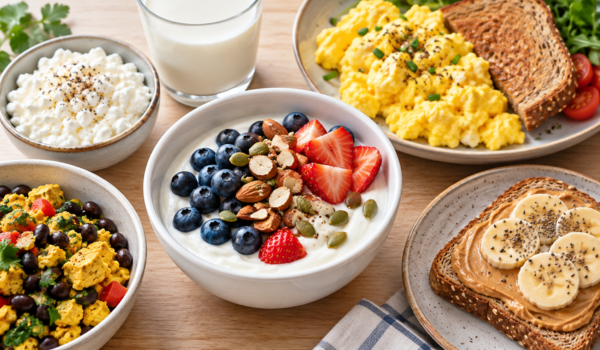
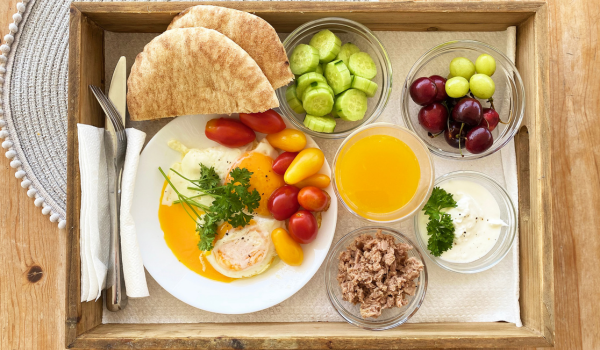
A balanced plate helps guide portions naturally.
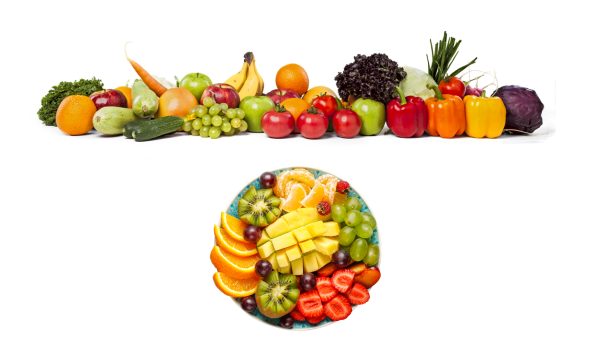
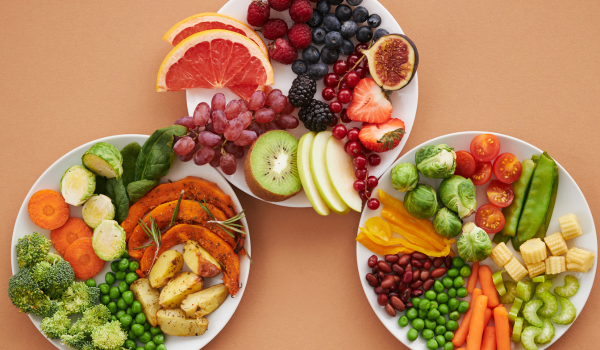
Let Color Guide Variety
Different colors often indicate diverse nutrients.
Balance Portions Visually
Aim for a mix of food groups rather than exact amounts.
Trust Your Hunger And Fullness Signals
Your body provides valuable feedback.
Building Meals With What You Already Have
Balanced meals can be created from simple ingredients.
Start With A Protein Base
Choose what is available and familiar.
Add Vegetables Or Fruits
Fresh, frozen, or cooked options all work.
Include A Source Of Energy
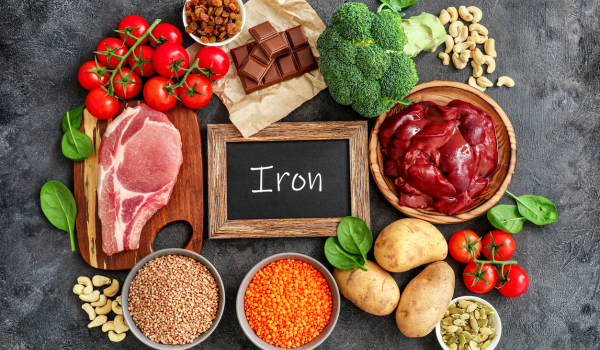
Grains, potatoes, or legumes provide fuel.
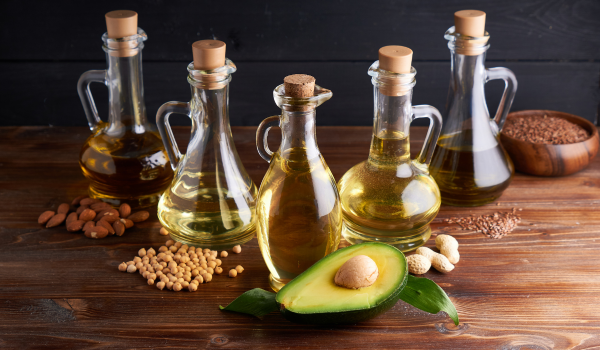
Finish With Healthy Fats Or Flavor Boosters
Small additions enhance satisfaction.
How To Combine Foods For Lasting Energy
Smart combinations help stabilize energy levels.
Protein And Fiber Work Together
This combination supports sustained fullness.
Healthy Fats Improve Nutrient Absorption
They help your body use vitamins efficiently.
Balanced Meals Reduce Energy Crashes
Stable blood sugar supports focus.
Variety Improves Nutritional Coverage
Different foods offer different benefits.
Making Balanced Meals When Time Is Limited
Busy schedules do not prevent balanced eating.
Focus On Simple Assembly
Meals do not need cooking from scratch.
Use Pre-Prepared Ingredients
Pre-cut or pre-cooked foods save time.
Repeat Successful Meal Patterns
Repetition reduces decision fatigue.
Keep Flexible Meal Components Ready
Prepared staples support quick meals.
Listening To Your Body While Eating
Internal cues guide healthy choices.
Notice Hunger Before Eating
Awareness helps avoid overeating.
Eat Slowly When Possible
Slower eating improves satisfaction.
Pause To Check Fullness
Stopping early supports comfort.
Respect Your Body’s Signals
Your body communicates its needs clearly.
Balancing Meals Without Food Rules
Rigid rules often create unnecessary stress.
Focus On Addition Rather Than Restriction
Adding nourishing foods supports balance.
Allow All Foods In Moderation
Flexibility prevents guilt.
Avoid Labeling Foods As Good Or Bad
Neutral thinking supports healthier habits.
Trust Consistency Over Perfection
Long-term habits matter most.
Adapting Balanced Eating To Different Lifestyles
Everyone’s routine is different.
Adjust Portions Based On Activity Levels
Energy needs vary daily.
Adapt Meals To Cultural Preferences
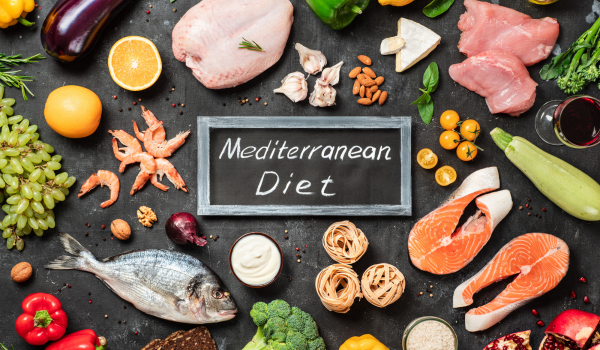
Cultural foods can be balanced too.
Allow Flexibility During Busy Periods
Balance can shift day to day.
Focus On What Works For You
Personalization builds sustainability.
Creating A Flexible Eating Routine
Structure without rigidity supports consistency.
Use Simple Patterns Rather Than Plans
Patterns allow flexibility.
Rotate Foods To Prevent Boredom
Variety keeps meals enjoyable.
Plan Lightly Without Pressure
Loose planning reduces stress.
Keep Your Kitchen Supportive
Accessible foods encourage balance.
How Confidence Builds Through Practice
Confidence grows with experience.
Small Wins Build Momentum
Each success reinforces habits.
Mistakes Are Learning Opportunities
Growth comes from flexibility.
Trust Develops Over Time
Practice strengthens intuition.
Comfort Leads To Consistency
Confidence supports long-term habits.
Long-Term Benefits Of Recipe-Free Eating
Freedom supports sustainable health.
Less Stress Around Food Choices
Simplicity reduces overwhelm.
Improved Relationship With Food
Trust replaces control.
Greater Enjoyment Of Meals
Freedom enhances satisfaction.
Sustainable Healthy Habits
Balance supports lifelong wellness.
Conclusion
Creating balanced meals does not require strict recipes or perfect planning. By understanding basic nutrition principles and listening to your body, you can build satisfying meals that fit your lifestyle. Flexibility, awareness, and consistency are the foundations of sustainable eating. When you trust yourself and focus on balance rather than perfection, healthy eating becomes simple, enjoyable, and long-lasting.

.png)






.png)
.png)
.png)
.png)

.png)
.png)
.png)
.png)
.png)
.png)
.png)
.png)
.png)
.png)


.png)
.png)
.png)
.png)