
.png)
Balancing taste and nutrition is one of the most common challenges people face when trying to eat well. Many assume that healthy food must be bland or restrictive, while flavorful meals are often viewed as unhealthy. In reality, enjoying food and nourishing your body can coexist naturally. With thoughtful choices and simple strategies, everyday meals can be both satisfying and nutritionally balanced without feeling like a compromise.
Why Taste And Nutrition Often Feel Like Opposites
The belief that taste and nutrition cannot coexist often comes from habits and food marketing.
Highly Processed Foods Are Designed For Flavor
Many processed foods are engineered to taste appealing while lacking nutritional value.
Healthy Foods Are Often Misunderstood
Nutritious foods are sometimes seen as boring due to poor preparation.
Taste Preferences Are Shaped Over Time
Repeated exposure to certain foods influences what we enjoy.
Balance Is Rarely Modeled In Modern Eating
Extreme diets often dominate discussions around food.
Understanding How Taste Works In Everyday Meals
Taste is influenced by several sensory factors.
Flavor Comes From More Than Salt And Sugar
Herbs, spices, acids, and textures contribute significantly to taste.
Texture Affects Satisfaction
Crunch, creaminess, and warmth all influence enjoyment.
Aroma Enhances Flavor Perception
Smell plays a major role in how food tastes.
Visual Appeal Impacts Appetite
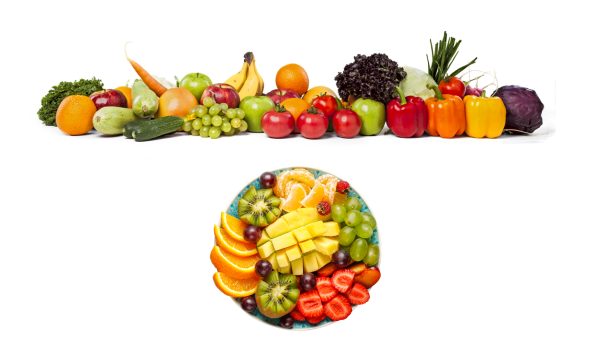
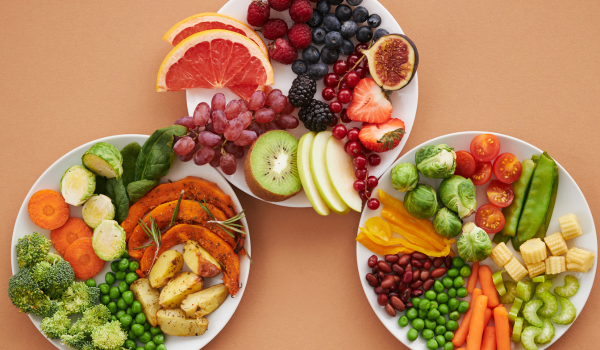
Colorful meals often feel more appetizing.
Building A Balanced Plate Without Sacrificing Flavor
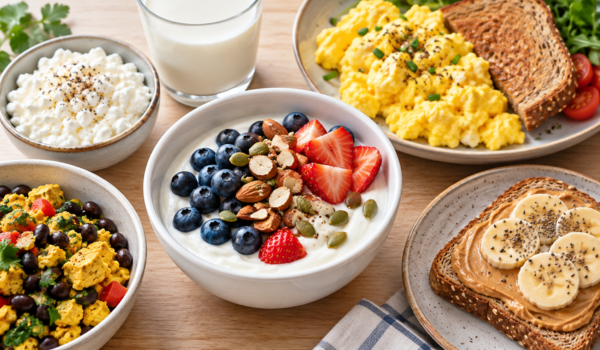
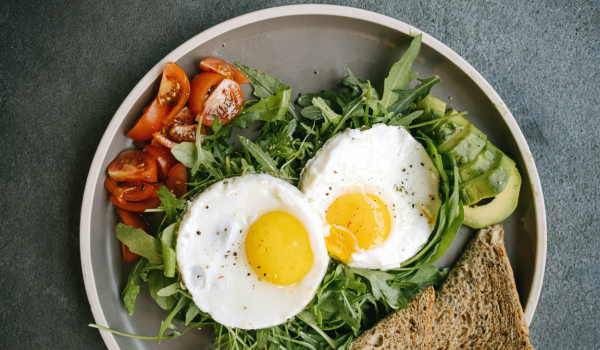
A balanced plate can be flavorful and satisfying.
Include A Source Of Protein
Protein enhances fullness and supports muscle health.
Add Fiber-Rich Foods
Fiber supports digestion and provides lasting energy.
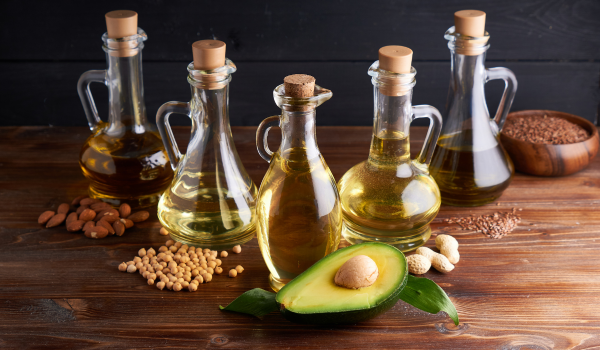
Include Healthy Fats For Flavor
Fats help carry flavor and improve texture.
Use Herbs And Spices Strategically
Seasoning can transform simple ingredients.
Smart Cooking Techniques That Enhance Both Taste And Nutrition
How food is prepared makes a significant difference.
Roasting Enhances Natural Sweetness
Roasting brings out rich flavors in vegetables.
Grilling Adds Depth Without Extra Fat
Grilling enhances taste while keeping meals lighter.
Steaming Preserves Nutrients
Steaming maintains texture and nutrient content.
Sautéing With Healthy Oils Adds Flavor
Using small amounts of quality oil improves taste.
Making Healthier Versions Of Favorite Dishes
Comfort foods can be improved without losing appeal.
Swap Refined Ingredients For Whole Options
Whole grains and fresh ingredients increase nutrition.
Use Lighter Cooking Methods
Baking or grilling can replace frying.
Increase Vegetable Content
Vegetables add volume and nutrients without excess calories.
Adjust Portion Sizes Thoughtfully
Smaller portions can still be satisfying.
How To Balance Taste When Eating Out
Eating out does not require sacrificing nutrition.
Choose Dishes With Whole Ingredients
Meals with vegetables and lean proteins are easier to balance.
Ask For Modifications When Needed
Simple requests can significantly improve nutrition.
Balance Rich Foods With Lighter Sides
Adding vegetables helps maintain balance.
Eat Mindfully And Slowly
Mindful eating enhances satisfaction.
The Role Of Mindful Eating In Flavor And Satisfaction
Mindful eating enhances both taste and nutrition.
Focus On Each Bite
Slowing down improves enjoyment.
Notice Textures And Flavors
Awareness enhances satisfaction.
Listen To Hunger And Fullness Signals
This supports balanced intake.
Avoid Distractions While Eating
Attention improves satisfaction and digestion.
Creating Balanced Meals With Limited Time
Busy schedules do not require sacrificing nutrition.
Use Simple Meal Formulas
Combining protein, fiber, and fat keeps meals balanced.
Prepare Ingredients Ahead Of Time
Prepped foods save time during the week.
Keep Healthy Staples Available
Stocking basics supports quick meals.
Repeat Favorite Balanced Meals
Repetition saves time and effort.
How Culture And Enjoyment Shape Healthy Eating
Food traditions play a key role in satisfaction.
Cultural Foods Can Be Nutritious
Traditional meals often include balanced ingredients.
Enjoyment Encourages Consistency
Pleasure supports long-term habits.
Food Is Part Of Connection And Identity
Shared meals strengthen well-being.
Balance Allows Cultural Expression
Healthy eating can honor traditions.
Maintaining Balance Without Restriction
Long-term success depends on flexibility.
Avoid Labeling Foods As Good Or Bad
This reduces guilt and stress.
Focus On Overall Patterns
One meal does not define health.
Adjust Choices Based On Needs
Flexibility supports sustainability.
Celebrate Small Improvements
Progress builds confidence.
Building Sustainable Eating Habits Over Time
Sustainable habits support lifelong health.
Start With Small Changes
Gradual shifts are easier to maintain.
Stay Consistent Rather Than Perfect
Consistency drives results.
Adapt As Life Changes
Nutrition should evolve with lifestyle.
Prioritize Enjoyment Alongside Health
Enjoyment encourages lasting habits.
Conclusion
Balancing taste and nutrition does not require giving up the foods you love. With mindful choices, thoughtful preparation, and a flexible approach, everyday meals can be both satisfying and nourishing. When taste and nutrition work together, healthy eating becomes enjoyable, sustainable, and deeply rewarding.

.png)








.png)
.png)
.png)
.png)


.png)
.png)
.png)
.png)
.png)
.png)
.png)
.png)
.png)
.png)



.png)
.png)
.png)
.png)

