
.png)
Eating more whole foods does not require drastic lifestyle changes or complicated meal plans. In fact, small and consistent choices can significantly increase the amount of nourishing foods in your daily routine. Whole foods support energy, digestion, and overall well-being while helping reduce reliance on overly processed options. By making gradual adjustments, it becomes easier to enjoy meals that feel satisfying, balanced, and sustainable over time.
Understanding What Whole Foods Really Are
Whole foods are foods that remain close to their natural state.
Minimally Processed Ingredients
Whole foods undergo little to no processing and retain most of their natural nutrients.
Naturally Nutrient-Dense
They provide vitamins, minerals, fiber, and antioxidants.
Free From Excess Additives
Whole foods typically contain fewer preservatives and artificial ingredients.
Support Overall Health
Regular consumption supports digestion, energy, and long-term wellness.
Why Eating More Whole Foods Matters
Whole foods contribute to better health in many ways.
Improved Nutrient Intake
They deliver essential nutrients your body needs to function well.
Better Energy Levels
Whole foods provide sustained energy without sharp crashes.
Improved Digestion
Fiber-rich foods support gut health and regular digestion.
Long-Term Health Support
Consistent intake supports heart health, metabolism, and immunity.
Starting Small With Simple Whole Food Swaps
Small changes make healthy eating more sustainable.
Swap Refined Grains For Whole Grains
Choose brown rice, oats, or whole-grain bread instead of refined options.
Replace Sugary Snacks With Whole Foods
Fruit, nuts, and yogurt offer natural sweetness and nourishment.
Choose Whole Proteins Over Processed Meats
Lean meats, eggs, beans, and fish are nutrient-dense options.
Use Fresh Ingredients Whenever Possible
Fresh foods often contain more nutrients and flavor.
Making Whole Foods More Convenient
Convenience does not have to mean processed foods.
Use Frozen Fruits And Vegetables
They are nutritious, affordable, and easy to prepare.
Pre-Wash And Pre-Cut Produce
This saves time and encourages use.
Cook In Batches
Preparing meals ahead simplifies healthy eating.
Keep Whole Foods Visible
Visibility encourages better food choices.
Building Balanced Meals With Whole Foods
Balanced meals help maintain energy and satisfaction.
Include A Protein Source
Protein supports muscle and satiety.
Add Fiber-Rich Carbohydrates
Whole grains and vegetables provide lasting energy.
Include Healthy Fats
Fats improve flavor and nutrient absorption.
Balance Portions Naturally
Listening to hunger cues helps guide portions.
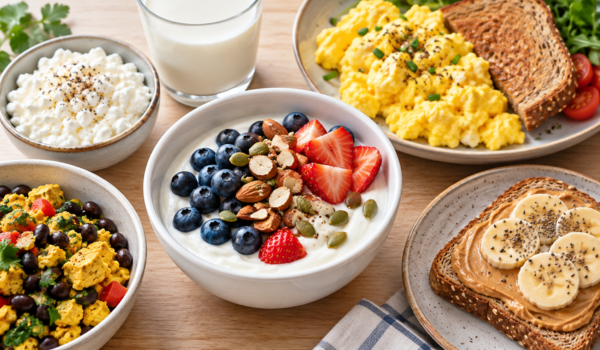
Whole Food Breakfast Ideas That Are Easy And Filling
Breakfast sets the tone for the day.
Oatmeal With Fruit And Nuts
A simple and nourishing option.
Eggs With Vegetables
Provides protein and essential nutrients.
Greek Yogurt With Fresh Fruit
Balances protein and carbohydrates.
Smoothies With Whole Ingredients
Blend fruits, vegetables, and protein sources.
Simple Whole Food Lunch And Dinner Options
Whole food meals can be quick and flexible.
Grain Bowls With Vegetables And Protein
Easy to customize and prepare.
Stir-Fries With Fresh Ingredients
Quick cooking preserves nutrients.
Soups And Stews Made From Scratch
Comforting and nutrient-rich.
Salads With Balanced Toppings
Add protein and healthy fats for fullness.
Snacking With Whole Foods
Whole food snacks support steady energy.
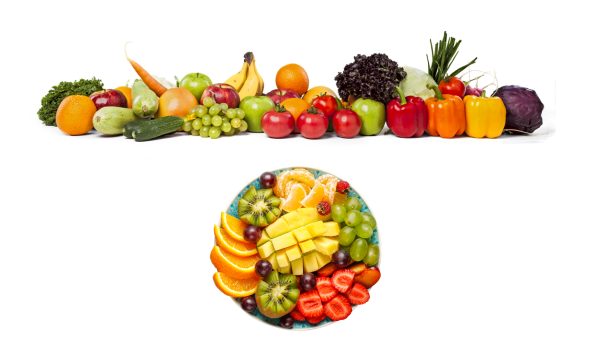
Fresh Fruit With Nuts Or Seeds
Provides natural sweetness and fats.
Vegetables With Hummus
Offers fiber and protein.
Hard-Boiled Eggs
Simple and nutrient-dense.
Homemade Snack Options
Control ingredients and portions.
Making Whole Foods Part Of A Busy Lifestyle
Busy schedules still allow room for whole foods.
Prepare Ingredients In Advance
Prepping once saves time later.
Choose Simple Recipes
Less complexity encourages consistency.
Keep Healthy Staples On Hand
Stock pantry and fridge with basics.
Use Leftovers Creatively
Repurpose meals to save time.
Overcoming Common Barriers To Eating Whole Foods
Challenges are normal and manageable.
Limited Time
Choose quick-cooking ingredients.
Budget Concerns
Buy seasonal produce and store brands.
Lack Of Cooking Confidence
Start with simple recipes.
Cravings For Processed Foods
Gradually replace rather than eliminate.
How Whole Foods Support Long-Term Health
Whole foods promote overall wellness.
Support Heart Health
Nutrients help regulate cholesterol and blood pressure.
Promote Digestive Health
Fiber supports gut function.
Improve Energy Levels
Stable energy supports daily activities.
Support Mental Well-Being
Balanced nutrition supports mood and focus.
Creating Sustainable Whole Food Habits
Sustainability is key for long-term success.
Start With Small Changes
Gradual adjustments are more effective.
Focus On Consistency
Regular habits create lasting results.
Allow Flexibility
Balance supports long-term adherence.
Enjoy The Process
Enjoyment encourages sustainability.
Building A Lifestyle Around Whole Foods
Whole foods can fit into any lifestyle.
Adapt Meals To Preferences
Personalization increases enjoyment.
Involve Family Or Friends
Shared meals encourage consistency.
Stay Curious With New Foods
Exploration keeps eating enjoyable.
Focus On Progress, Not Perfection
Small steps matter most.
Conclusion
Adding more whole foods to your diet does not require drastic changes or perfection. By making simple swaps, planning ahead, and focusing on balance, whole foods can naturally become part of everyday life. Over time, these small choices build a healthier relationship with food, improve overall well-being, and support long-term health. The key is consistency, flexibility, and enjoyment.

.png)













.png)
.png)
.png)
.png)


.png)
.png)
.png)
.png)
.png)
.png)
.png)
.png)
.png)
.png)




.png)
.png)
.png)
.png)

