.png)
Zinc is famous for its strong presence in oysters, but you don’t need shellfish every day to meet your needs. While six cooked oysters deliver about three times the daily requirement, plenty of everyday foods—both plant and animal—are loaded with zinc and can easily support your intake.
1: Hemp Seeds
Zinc per 100 g: 9 mg
Hemp seeds deliver a surprising amount of zinc—around one-quarter of your daily goal in just three tablespoons. They also pack protein, fiber, healthy fats, and key minerals like magnesium and iron.
How to use hemp seeds:
– Stir into oatmeal or yogurt
– Blend into smoothies, sauces, and dips
– Add to baked goods or salads
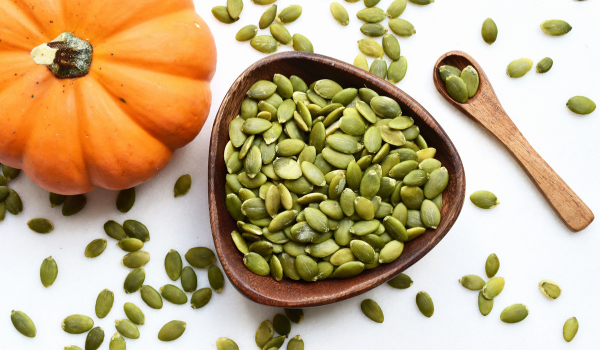
2: Pumpkin Seeds
Zinc per 100 g: 7.6 mg
A quarter-cup serving offers roughly one-fifth to one-quarter of your daily zinc needs and comes with fiber, antioxidants, and heart-friendly fats.
Try pumpkin seeds by:
– Mixing into trail mix
– Sprinkling over salads or soups
– Blending into pesto or dips
– Roasting lightly for snacking
3: Alaska King Crab
Zinc per 100 g: 7.62 mg
A single crab leg can deliver nearly an entire day’s worth of zinc. Crab is rich in lean protein and also contributes vitamin B12, folate, and minerals such as potassium.
Ways to enjoy crab:
– Toss into risotto or pasta
– Make crab cakes or add to salads
– Steam with butter and lemon
– Use canned crab for easy meals
4: Beef
Zinc per 100 g: 5–6 mg
Beef is one of the most absorbable dietary sources of zinc, making it a reliable choice for meeting daily requirements.
Ideas for adding beef:
– Brown ground beef for tacos or sauces
– Grill steaks or burgers
– Slow-cook roasts for soups and stews
5: Cashews
Zinc per 100 g: 5.78 mg
About one ounce of cashews provides more than 1.5 mg of zinc along with calcium, magnesium, and plant-based protein.
How to add cashews:
– Enjoy raw or roasted
– Stir into stir-fries and curries
– Blend into creamy sauces
– Make cashew butter
6: Chia Seeds
Zinc per 100 g: 5.56 mg
Just two tablespoons provide around 15–20% of the daily zinc requirement. Soaked chia becomes gel-like, making it versatile in sweet or savory recipes.
Use chia seeds by:
– Mixing into yogurt or oats
– Making chia pudding
– Adding to smoothies
– Using as an egg alternative when baking
7: Lobster
Zinc per 100 g: ~4.47 mg (tail), up to 9 mg per whole lobster
Lean and mineral-rich, lobster offers nearly a day’s worth of zinc per serving along with copper, selenium, and vitamin B12.
Meal ideas:
– Boil or steam lobster tails
– Fold into pasta, bisque, or risotto
– Make lobster rolls
– Use frozen tails for convenience
8: Sharp Cheddar Cheese
Zinc per 100 g: 3.47 mg
Cheddar provides zinc along with protein and vitamin B12. It’s easy to incorporate into everyday meals or snacks.
Ways to eat cheddar:
– Melt on vegetables
– Add to sandwiches
– Cube for lunch boxes
– Grate over chili and soups
9: Oats
Zinc per 100 g: 2.74 mg
While not as concentrated as seafood, eating oats regularly can meaningfully boost zinc intake—especially if you enjoy oatmeal, granola, or baked snacks.
How to use:
– Hot oatmeal or overnight oats
– Add to smoothies
– Bake into muffins or bars
Why Zinc Matters
Zinc is vital for immune defenses, muscle growth and repair, wound healing, taste function, and hormonal health. Because the body doesn’t store zinc, you need a continuous supply from food.
Daily zinc needs:
– Children under 8: 2–5 mg
– Kids 9–13: 8 mg
– Teens: 9–11 mg
– Adult men: 11 mg
– Adult women: 8 mg (higher during pregnancy and breastfeeding)
Boosting Zinc on a Plant-Based Diet
Plant foods offer zinc, but absorption can be lower. You can help increase uptake by:
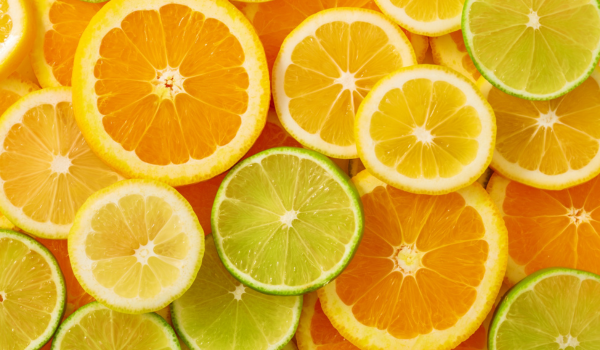
– Adding lemon or vinegar to meals
– Combining zinc sources with protein
– Soaking or sprouting nuts, beans, and seeds
The Takeaway
Oysters may top the charts, but everyday foods—from seeds and nuts to beef, dairy, and crab—can all help you hit your zinc goals. Mixing a few of these foods into your meals makes it easy to stay nourished.

.png)


.png)
.png)
.png)
.png)
.png)
.png)
.png)
.png)
.png)
.png)
.png)
.png)
.png)
.png)


.png)
.png)
.png)
.png)