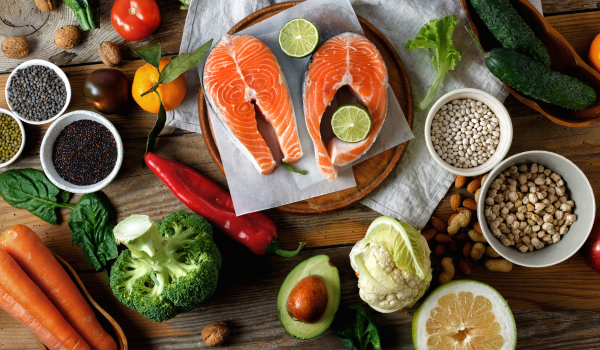
There are countless eating styles to consider, but the best one for you may already be featured on the annual Best Diets Overall list by U.S. News & World Report. While the rankings shifted slightly in 2025, the top diets among 38 evaluated options remain largely consistent. These diets were selected through an extensive review process led by experts in nutrition, obesity, psychology, diabetes, and heart health.
Best Diets for Your Health
A panel of nearly 70 specialists evaluated modern eating patterns across seven key categories. These included long-term and short-term weight loss effectiveness, nutritional balance, ease of adherence, safety, and the potential to prevent diabetes and heart disease. Each diet received ratings across multiple lists—such as Best Diabetes Diet and Best Plant-Based Diet—but the combined rankings determined the Best Diets Overall. Long-term weight loss and safety were given the highest importance.
Mediterranean Diet
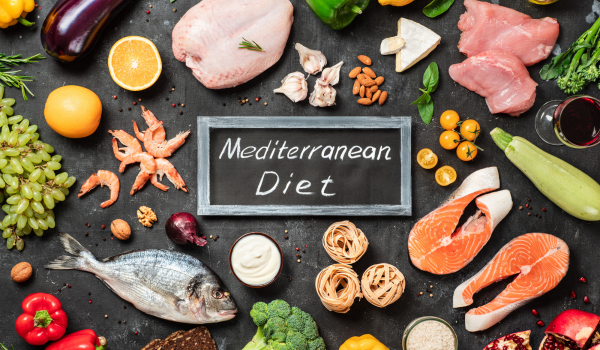
The Mediterranean diet secured the top position again in 2025, marking its fifth consecutive year as the leading overall diet. While eating habits vary across Mediterranean countries, the diet emphasizes an overall lifestyle approach centered on minimally processed, nutrient-rich foods. Weight loss can occur naturally due to a shift toward whole grains, vegetables, fruits, and lean proteins.
features of the mediterranean diet
-
Abundant intake of vegetables, fruits, whole grains, nuts, legumes, and olive oil
-
Regular consumption of fish, with moderate amounts of poultry, eggs, and dairy
-
Minimal processed foods, added sugars, and red meat
-
Encourages regular physical activity, including walking and enjoyable movement
-
Provides natural anti-inflammatory antioxidants, including optional moderate red wine
benefits
The Mediterranean diet is nutritionally balanced and strongly associated with reduced risk of metabolic syndrome, type 2 diabetes, heart disease, obesity, and certain cancers. Research also links it with improved longevity and healthy weight maintenance over the long term.
disadvantages
Some may find the lack of portion guidelines or calorie targets challenging. The diet can also be costly depending on food choices, and it typically requires home cooking. Those seeking more structure may benefit from registered dietitian guidance or meal-planning resources.
DASH Diet
Ranking second is the DASH (Dietary Approaches to Stop Hypertension) diet, originally developed to help reduce high blood pressure. Promoted by the National Heart, Lung, and Blood Institute, DASH outlines specific serving recommendations depending on daily calorie needs.
features of the dash diet
-
Emphasis on whole grains, fruits, vegetables, and low-fat dairy
-
Controlled portions of lean protein
-
Weekly servings of nuts, seeds, and legumes
-
Limited sweets and low sodium intake
-
Encourages overall healthy lifestyle habits such as stress management, exercise, and sleep
benefits
DASH has robust research supporting its effectiveness in reducing blood pressure, promoting gradual weight loss, and lowering the risk of heart disease, stroke, and type 2 diabetes. Its straightforward approach makes it sustainable long-term.
disadvantages
DASH offers fewer plant-based protein alternatives, and its low-fat structure may not work for everyone. Customization with the help of a dietitian can make the plan more flexible and balanced.
Flexitarian Diet
The flexitarian diet—part vegetarian, part omnivore—continues to grow in popularity due to its balance and flexibility. It does not follow strict rules but encourages mostly plant-based meals with occasional animal proteins.
features of the flexitarian diet
-
Focus on whole, minimally processed plant foods
-
Occasional inclusion of meat, poultry, or fish
-
No universal guidelines for frequency of animal-based meals
benefits
Research shows that primarily plant-based eating patterns are linked to lower body weight, improved metabolic markers, healthier blood pressure, and reduced risk of type 2 diabetes. The flexible nature of the plan appeals to those who want health benefits without rigid restrictions.
disadvantages
Because the plan is open-ended, some may prefer clearer guidelines. Researchers have proposed categories—such as climatarian, reducetarian, and others—to help define varying degrees of flexibility.
MIND Diet
The MIND diet merges the principles of the Mediterranean and DASH diets to support brain health. While designed to help prevent cognitive decline, it also promotes a balanced eating pattern suitable for overall wellness.
features of the mind diet
The plan emphasizes 10 brain-protective foods:
Leafy greens, other vegetables, nuts, berries, beans, whole grains, olive oil, fish, poultry, and optional moderate wine.
It also highlights five food groups to avoid to help protect cognitive function:
Butter, cheese, red meat, fried foods, and pastries or sweets.
benefits
Studies show that strict adherence to the MIND diet can significantly reduce the risk of Alzheimer’s disease and may delay the onset of Parkinson’s disease. The diet is also heart-friendly due to its strong overlap with Mediterranean and DASH principles.
disadvantages
The plan lacks structured meal guidance, which may make implementation challenging. Weight loss benefits are not strongly supported by current research.
Mayo Clinic Diet
Still in fifth place, the Mayo Clinic diet follows a structured 12-week program that focuses on developing long-lasting healthy habits.
features of the mayo clinic diet
-
Unlimited fruits and vegetables
-
Emphasis on whole grains and healthy fats
-
Minimal added sugar
-
Two phases: the “Lose It!” jumpstart phase and the “Live It!” lifestyle phase
benefits
The diet is based on evidence-backed behaviors from one of the nation’s top medical centers. It promotes gradual, sustainable weight loss and long-term wellness.
disadvantages
Some may dislike that the official program requires a paid subscription, which includes digital tools, meal plans, coaching, and community support.
TLC Diet
The TLC (Therapeutic Lifestyle Changes) diet was originally developed to lower LDL cholesterol and is structured similarly to a clinical nutrition plan.
features of the tlc diet
-
Specific macronutrient targets
-
High-fiber emphasis
-
Low saturated fat and dietary cholesterol
-
Encourages moderate physical activity
benefits
The plan effectively reduces LDL cholesterol and supports heart health and weight management.
disadvantages
The diet’s high carbohydrate proportion may not suit everyone, and translating nutrient targets into daily meals can be difficult without guidance.
Volumetrics Diet
The Volumetrics diet focuses on eating more food—not less—by prioritizing low-calorie, high-volume foods.
features of the volumetrics diet
-
Encourages fruits, vegetables, broth-based soups, whole grains, lean proteins
-
Allows treats in moderation
-
Emphasizes energy density awareness
-
Incorporates daily physical activity
benefits
Research shows the plan can promote steady weight loss of one to two pounds per week while reducing hunger.
disadvantages
The approach requires learning about energy density and may not always match personal satisfaction levels. It may also unintentionally encourage processed “diet” foods.
WW (Formerly Weight Watchers) Diet
WW remains highly ranked due to its structured yet flexible approach and strong research backing.
features of the ww diet
-
Personalized point-based system
-
Digital tools, recipes, coaching, and progress tracking
-
Large community for accountability
benefits
Studies show WW is more effective than self-guided weight loss approaches.
disadvantages
The membership model may deter some, although the cost can be relatively affordable.
The 3 Lowest-Ranking Diets
The GAPS diet, Dukan diet, and modified keto diet ranked at the bottom due to restrictive rules, lack of strong scientific research, and difficulty sustaining them long-term.
gaps diet: Very restrictive, expensive, and lacking research support.
dukan diet: High-protein, rule-heavy, and lacking clinical trials.
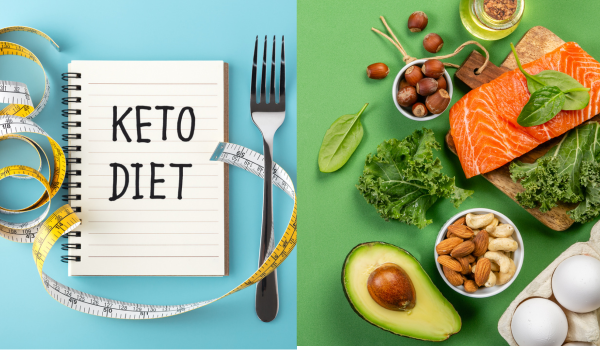
modified keto: Less restrictive than traditional keto but still challenging to maintain.

.png)










.png)
.png)
.png)
.png)

.png)
.png)
.png)
.png)
.png)
.png)
.png)
.png)
.png)
.png)



.png)
.png)
.png)
.png)
.png)
.png)