
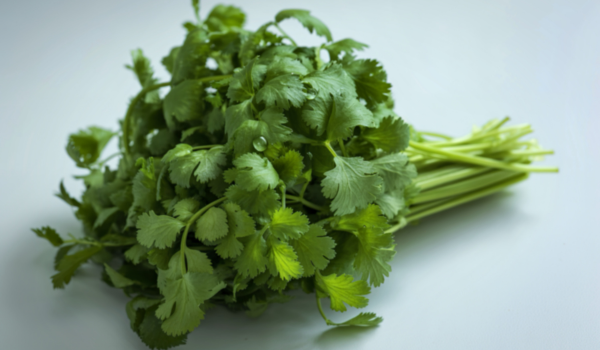
Cilantro (Coriandrum sativum L.) is a bright green herb widely used in cuisines around the world, from Latin America to the Middle East. Beyond its fresh flavor, cilantro provides vitamins, antioxidants, and plant compounds that may support metabolic health, reduce inflammation, and contribute to overall well-being.
Can Help Reduce Anxiety
Potential calming effects
Some early research suggests cilantro may help ease anxiety symptoms. Animal studies have shown effects comparable to certain anti-anxiety medications, but without the common side effects such as drowsiness or confusion. More human studies are needed before cilantro can be recommended as a treatment for anxiety.
Provides Antioxidant Protection
Cell defense support
Cilantro contains antioxidants that help neutralize free radicals in the body. These compounds may slow or prevent cellular damage associated with aging and chronic disease by protecting cells from oxidative stress.
Has Antimicrobial Properties
Defense against harmful bacteria
Research suggests cilantro may help reduce certain foodborne pathogens, including Salmonella, E. coli, and Listeria monocytogenes. These antimicrobial properties may help limit bacterial spread when cilantro is handled or prepared properly.
May Support Blood Sugar Control
Improved glucose regulation
Cilantro has been shown in animal studies to increase insulin sensitivity and help lower blood sugar levels. Insulin helps move glucose into cells for energy, and improved sensitivity may reduce blood sugar buildup. Human studies are still needed to confirm these effects.
Can Support Weight Management
Low-calorie flavor booster
Cilantro contains fewer than one calorie per quarter cup, making it an easy way to enhance flavor without significantly increasing calorie intake. Using herbs like cilantro may help support weight management by improving taste without relying on high-calorie sauces or seasonings.
Supplies Essential Nutrients
Vitamin-rich herb
A small serving of cilantro provides a meaningful amount of vitamin K, which supports bone health. It also contributes modest amounts of vitamins A and C, both of which play important roles in immune function and overall health.
May Help Reduce Inflammation
Anti-inflammatory compounds
Cilantro contains polyphenols, a class of antioxidants known to reduce inflammation. These compounds may help protect against cellular damage linked to premature aging and chronic inflammatory conditions.
Cilantro Nutrition Facts
Nutrient profile (¼ cup fresh cilantro)
-
Calories: ~1
-
Fat: 0 g
-
Sodium: ~2 mg
-
Carbohydrates: ~0.1 g
-
Fiber: ~0.1 g
-
Protein: ~0.1 g
-
Added sugars: 0 g
Coriander vs. Cilantro
Same plant, different parts
Cilantro refers to the fresh leaves of the coriander plant, while coriander comes from its dried seeds. Both are used in cooking and may offer health benefits, though their nutrient profiles and flavors differ.
Cilantro Supplements
Concentrated forms
Coriander plant extracts are available as capsules, powders, teas, and liquid extracts. These supplements are sometimes used to support digestion, blood sugar balance, and antioxidant intake. There is no established dosage, so consulting a healthcare provider is recommended.
Possible Risks of Cilantro
Sensitivity and safety concerns
Cilantro is generally safe for most people, but allergic reactions can occur. Some individuals have a genetic variation that makes cilantro taste unpleasant or “soapy.” Raw cilantro may also carry bacteria if not washed thoroughly, which can pose a risk for pregnant people, older adults, or those with weakened immune systems.
Tips for Adding Cilantro to Your Diet
Simple ways to enjoy it
-
Add chopped cilantro to salads, soups, and stir-fries
-
Use it in salsa, pesto, chutney, or guacamole
-
Sprinkle over beans, fish, curries, or roasted vegetables
-
Pair with lime juice for a fresh garnish
Wash cilantro thoroughly before use and store it properly to maintain freshness.


.png)












.png)
.png)
.png)
.png)


.png)
.png)
.png)
.png)
.png)
.png)
.png)
.png)
.png)
.png)




.png)
.png)
.png)
.png)

