
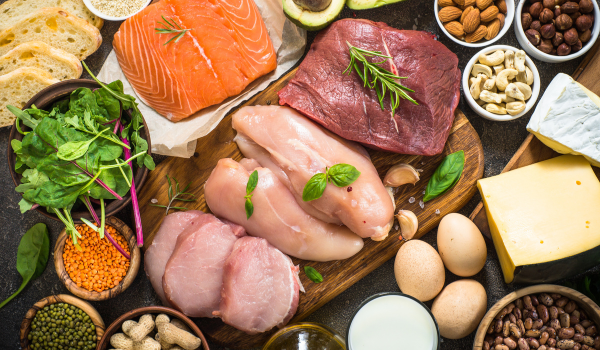
High-protein foods and products are now everywhere—from cereals and waffles to snacks and desserts. While most people already meet their basic protein needs through regular meals, many intentionally increase protein intake to lose weight, boost energy, or build muscle. If you’re considering a high-protein diet, here’s how your body may respond.
You May Feel Full for Longer
Protein plays a powerful role in appetite control.
satiety hormones at work
When you eat protein, your body releases hormones involved in hunger and blood sugar regulation. Higher protein intake can increase feelings of fullness and reduce overall hunger, helping you stay satisfied longer after meals.
Protein also takes longer to chew and digest, and it tends to stay in the stomach longer. This delayed digestion may further enhance satiety. However, how full you feel can vary depending on the type of protein, its fat content, how it’s prepared, and what other foods you eat alongside it.
Your Metabolism May Get a Small Boost
Protein requires more energy to digest and metabolize compared to carbohydrates and fats.
thermic effect of protein
When you increase protein intake, your body burns slightly more calories during digestion. This can result in a modest boost in metabolism, particularly when meals are very high in protein.
That said, this effect may decrease over time. Weight loss or loss of lean muscle mass can also offset any metabolic advantage, making the boost less noticeable in the long run.
Your Muscles May Repair More Efficiently
Protein supplies amino acids that directly stimulate muscle repair and growth.
supporting muscle recovery
After exercise, muscles become more sensitive to amino acids for up to 24–48 hours. During this time, protein intake helps repair muscle tissue, supports muscle growth, and reduces muscle breakdown.
As a result, you may notice less soreness, faster recovery, improved performance in future workouts, better sleep quality, and fewer aches and pains—especially if protein intake is paired with regular training.
Your Body Composition Could Change
A high-protein diet can influence body composition, but only under the right conditions.
protein plus resistance training
Eating more protein alone does not automatically lead to muscle gain. Meaningful changes in muscle mass require consistent resistance or strength training.
With regular workouts, changes in body composition—such as increased muscle and reduced fat—may become noticeable over several months. Muscle growth is a gradual process that involves repeatedly breaking down and rebuilding muscle tissue over time.
Your Digestive System May Be Affected
Some people experience digestive changes when increasing protein intake.
gut health considerations
While many tolerate high-protein diets well, others may experience constipation, bloating, or discomfort—especially if fiber intake drops. These effects often depend on the individual gut microbiome.
Animal-based proteins, in particular, may alter gut bacteria composition. How this affects digestion and overall gut health can vary widely from person to person.
Your Kidneys May Work Harder
Excess protein cannot be stored in the body.
kidney workload
When protein intake exceeds the body’s needs, it is broken down into waste products that must be filtered and excreted by the kidneys. For healthy individuals, the body is generally efficient at handling this process.
However, for people with existing kidney impairment, consistently high protein intake can place additional strain on the kidneys and may worsen kidney health. These individuals are often advised to limit protein intake under medical supervision.

.png)





.png)
.png)
.png)
.png)

.png)
.png)
.png)
.png)
.png)
.png)
.png)
.png)
.png)
.png)



.png)
.png)
.png)
.png)
.png)
.png)

