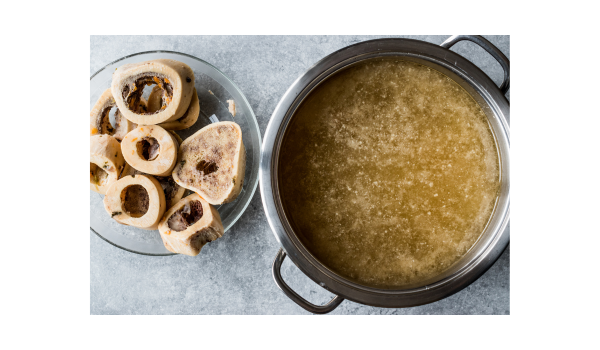
Bone broth is a nutrient-rich liquid made by simmering animal bones and connective tissues over long periods. It contains collagen, amino acids, and essential minerals that support joint health, digestion, hydration, and overall wellness. Bone broth also provides electrolytes such as sodium and potassium, which help maintain fluid balance in the body.
Below are six science-backed benefits of bone broth and how to prepare it at home.
May Support Joint Health
Collagen And Joint Support
Bone broth supplies collagen, a structural protein that helps maintain healthy joints, cartilage, ligaments, and tendons. Collagen may reduce joint discomfort and improve mobility, especially in people with arthritis or joint wear.
Many bone broth recipes also include herbs and spices like turmeric, which has anti-inflammatory properties that may further ease joint stiffness and pain. Some research suggests turmeric may improve knee pain and mobility in people with osteoarthritis.
Although most studies focus on collagen supplements rather than bone broth itself, bone broth still provides natural collagen along with other supportive nutrients.
Supports Gut Health
Glutamine And Gut Lining Support
Bone broth contains glutamine, an amino acid that supports the integrity of the intestinal lining. This lining plays a critical role in digestion, nutrient absorption, and immune defense.
Glutamine may help reduce gut inflammation and support digestive comfort. While research on bone broth specifically is limited, glutamine-rich foods are considered beneficial for gut health. Bone broth can also be a gentler alternative to processed protein sources.
High in Protein
Supports Metabolism And Cellular Function
Protein is essential for maintaining muscle mass, repairing tissues, and supporting immune defenses. Bone broth provides a moderate amount of protein, especially when prepared with longer simmering times.
Compared to standard broth, bone broth contains significantly more protein due to prolonged extraction from bones and connective tissues. A typical serving may provide around 10 grams of protein, depending on preparation.
A High-Quality Protein Source
Rich In Collagen-Based Protein
Collagen is the most abundant protein in the human body and plays a vital role in maintaining skin elasticity, joint structure, and connective tissues.
Bone broth contains more collagen than regular broth, making it a valuable option for those looking to support structural health naturally. Long cooking times help extract collagen and amino acids such as glycine and proline, which contribute to tissue repair.
May Improve Skin Elasticity
Supports Skin Structure And Hydration
As the body ages, collagen production declines, which may lead to wrinkles and loss of skin firmness. Regular intake of collagen-rich foods may help slow this process.
Some research suggests that collagen supplementation can improve skin elasticity and hydration over time. While bone broth is not as concentrated as supplements, consistent intake may still offer skin-supporting benefits when consumed regularly over several weeks.
Provides Essential Electrolytes
Supports Hydration And Nerve Function
Bone broth contains electrolytes such as sodium, potassium, and calcium. These minerals help regulate hydration, muscle contractions, and nerve signaling.
Electrolytes are especially important during illness, intense physical activity, or dehydration. Bone broth can be a gentle way to replenish fluids and minerals without added sugars.
Nutrition Facts
The nutritional content of bone broth varies depending on preparation and ingredients used. On average, one cup of store-bought bone broth provides:
-
Calories: 79
-
Fat: 0.5 g (0.6% DV)
-
Sodium: 451 mg (19.6% DV)
-
Carbohydrates: 5 g (1.8% DV)
-
Protein: 10 g (20% DV)
Bone broth typically contains minimal carbohydrates unless vegetables are added.
How To Make Bone Broth
Making bone broth at home is simple and cost-effective:
-
Use bones from poultry, beef, or fish
-
Place bones into a large pot
-
Add vegetables like garlic, onions, carrots, and celery
-
Add two bay leaves
-
Cover with water
-
Add 1–2 tablespoons of apple cider vinegar
-
Simmer for 12–24 hours
-
Strain and allow to cool
-
Store in the refrigerator for up to 4 days or freeze for up to 3 months
Potential Risks
High Sodium Content
Store-bought bone broth can be high in sodium. Choose low-sodium options or make your own if you have high blood pressure or sodium sensitivity.
Possible Heavy Metal Exposure
Some research suggests bone broth may contain trace amounts of heavy metals such as lead. While levels are generally low, moderation is advised.
How To Use Bone Broth Daily
Bone broth is easy to incorporate into meals:
-
Sip it warm like tea
-
Use it as a base for soups or stews
-
Cook grains like rice or quinoa in bone broth
-
Blend into savory smoothies
-
Combine with herbs and spices for a nourishing drink
Bone broth can be made from beef, poultry, fish, or a combination of bones depending on flavor preference.


.png)


















.png)
.png)
.png)
.png)


.png)
.png)
.png)
.png)
.png)
.png)
.png)
.png)
.png)
.png)




.png)
.png)
.png)
.png)