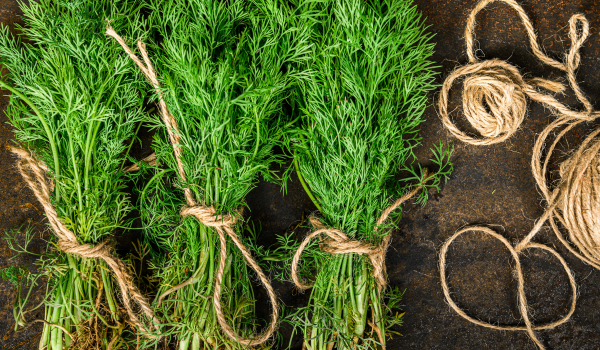
Dill is a fragrant herb commonly used in Mediterranean, Middle Eastern, and Eastern European cuisines. Beyond its culinary appeal, dill contains antioxidants and bioactive compounds that may support heart health, blood sugar balance, and pain management when used appropriately.
Provides Anti-Inflammatory Antioxidants
Rich in flavonoids
Dill contains flavonoids, natural plant compounds found in many herbs and vegetables. These antioxidants help protect cells from oxidative damage and may reduce inflammation. Flavonoids are associated with immune support, brain health, and protection against certain viral and inflammatory processes.
May Help Lower Cholesterol
Supports heart health
Elevated cholesterol levels increase the risk of heart disease and stroke. Research suggests that dill supplementation may help reduce total cholesterol and low-density lipoprotein (LDL), often referred to as “bad” cholesterol. Lower LDL levels may help prevent plaque buildup in arteries and support overall cardiovascular health.
May Support Diabetes Management
Improves blood sugar regulation
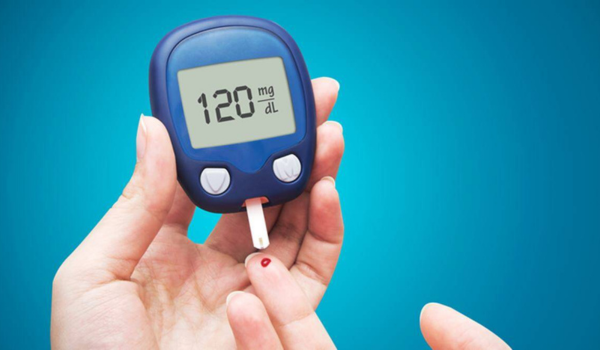
Some studies indicate that dill may help lower blood glucose levels and improve insulin function. In people with type 2 diabetes, dill supplementation has been shown to reduce insulin levels, total cholesterol, and LDL cholesterol while increasing high-density lipoprotein (HDL), the “good” cholesterol that helps remove excess cholesterol from the bloodstream. These effects are thought to be linked to dill’s antioxidant activity and its influence on metabolic pathways.
May Help Reduce Period Pain
Natural pain relief potential
Dysmenorrhea, or menstrual pain, affects a large percentage of people who menstruate. Some small studies suggest that dill powder may reduce period pain with effectiveness similar to certain nonsteroidal anti-inflammatory drugs (NSAIDs). However, research results are mixed, and more studies are needed to confirm consistent benefits.
May Ease Labor Pain and Anxiety
Effects during childbirth
Research has explored the use of dill seed in controlled clinical settings to support labor. Some studies found that dill seed preparations may reduce anxiety, shorten labor duration, and decrease pain during early labor stages. These effects may be related to dill’s interaction with hormones involved in uterine contractions. Pregnant individuals should only use dill in medicinal forms under medical supervision.
Dill Nutrition Facts
Nutrient overview (five fresh sprigs)
-
Calories: <1
-
Fat: 0 g
-
Sodium: ~0.6 mg
-
Carbohydrates: 0 g
-
Fiber: 0 g
-
Protein: 0 g
In larger amounts, dill provides vitamin C, which supports immune function, tissue repair, and skin health. Nutritionally, dill’s primary benefit comes from its antioxidant content rather than macronutrients.
Possible Risks of Dill
Safety considerations
Dill is generally recognized as safe when consumed as a food. However, allergic skin reactions may occur, particularly with fresh dill. Medicinal or supplemental forms of dill may interact with certain medications, including diabetes drugs, lithium, and supplements that lower blood sugar. High-dose dill supplements may also affect thyroid hormone levels and should be avoided before surgery.
Tips for Using Dill
Storage tips
-
Store fresh dill upright in a glass with a small amount of water
-
Cover loosely and refrigerate for up to one week
-
Change the water daily
-
Freeze washed and dried dill for later use in cooked dishes
Simple ways to enjoy dill
-
Add to yogurt-based dips or salad dressings
-
Sprinkle over roasted vegetables, potatoes, or grains
-
Use in soups, hummus, or chilled protein salads
-
Blend into pesto with olive oil, garlic, and nuts
Dried dill is more concentrated than fresh. Use about one-quarter of the amount when substituting dried for fresh dill in recipes.

.png)
.png)
.png)
.png)
.png)
.png)
.png)
.png)
.png)
.png)
.png)
.png)
.png)
.png)
.png)

.png)
.png)
.png)
.png)