
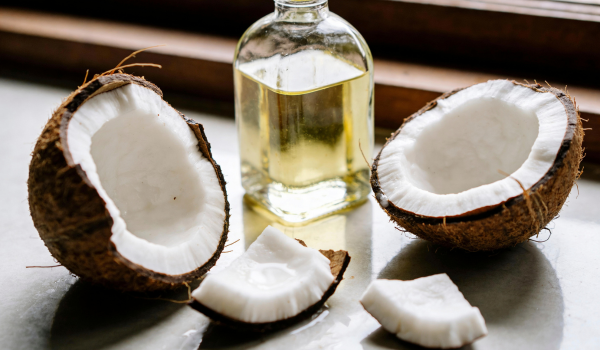
Coconut is a versatile plant food that provides fiber, fats, and several essential minerals. Research suggests coconut—particularly coconut oil—may influence blood sugar levels, cholesterol balance, body weight, and cellular health. However, its effects vary depending on the form consumed and overall dietary context.
Improved Blood Sugar Control
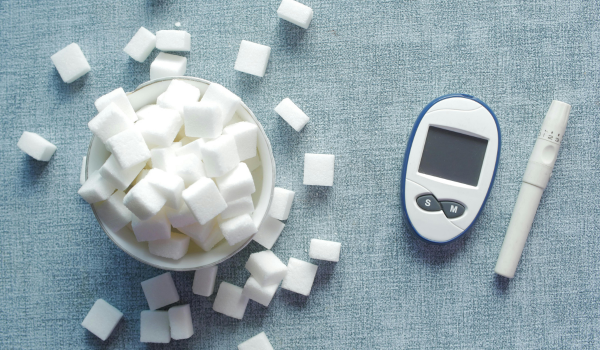
Coconut is naturally low in carbohydrates and sugar while being relatively high in fiber and fat. Because of this nutrient profile, researchers have explored whether coconut may help regulate blood sugar levels.
Some studies suggest that coconut oil may support blood sugar control due to its anti-inflammatory properties. In people with metabolic syndrome, replacing other fats with coconut oil has been associated with modest reductions in fasting blood sugar levels.
However, not all findings are positive. Other research indicates that long-term coconut consumption may increase insulin resistance in certain individuals. These mixed results suggest that coconut should not be relied on as a primary strategy for blood sugar management, especially for people with diabetes.
Potential Support For Weight Management
Most research linking coconut to weight management focuses on coconut oil rather than whole coconut.
Coconut oil is rich in medium-chain triglycerides (MCTs), which are digested more quickly than long-chain fats. MCTs are transported directly to the liver, where they are more likely to be used for energy rather than stored as fat.
Some studies suggest coconut oil may slightly reduce body weight, fat mass, or body mass index (BMI). However, these effects tend to be small, and current evidence is not strong enough to recommend coconut oil supplementation specifically for weight loss.
Increased Levels Of “Good” Cholesterol
Coconut oil contains a high amount of saturated fat, which is often associated with increased cholesterol levels. However, the saturated fats in coconut—particularly lauric and myristic acids—may behave differently than those found in animal fats.
Some research suggests coconut oil may raise high-density lipoprotein (HDL), often referred to as “good” cholesterol. Higher HDL levels are associated with improved cardiovascular health.
At the same time, other studies show that coconut oil may also increase low-density lipoprotein (LDL), or “bad” cholesterol. Because of these conflicting findings, coconut should be consumed in moderation and not used as a primary treatment for cholesterol imbalance.
Reduced Oxidative Stress And Cell Damage
Oxidative stress occurs when free radicals overwhelm the body’s antioxidant defenses, leading to cell and DNA damage. Over time, this damage contributes to aging and chronic diseases such as diabetes, cancer, and neurodegenerative conditions.
Coconut contains antioxidant compounds that may help neutralize free radicals and reduce oxidative stress. Research suggests that diets rich in antioxidants support metabolic health and may lower the risk of age-related diseases.
Coconut Nutrition Facts
Coconut is a calorie-dense food that primarily provides fat, along with fiber and trace minerals. It also has a high water content, contributing to hydration.
Per one cup of raw coconut meat
Calories: 301
Protein: 2.83 grams (5% DV)
Fat: 28.5 grams (36% DV)
Carbohydrates: 12.9 grams
Fiber: 7.65 grams (27% DV)
Sugars: 5.3 grams
Iron: 11.5% DV
Selenium: 15% DV
Coconut also supplies small amounts of potassium and magnesium, which support fluid balance and nerve function.
Risks And Considerations
Coconut is generally safe for most people, but it is high in calories and saturated fat. Excessive intake may negatively affect heart health if it replaces unsaturated fats such as olive oil or nuts.
Coconut allergies are rare, affecting fewer than 1% of people. While coconut is technically a fruit, some individuals with tree nut allergies choose to avoid it. Consulting an allergist may be helpful if food allergies are a concern.
Tips For Adding Coconut To Your Diet
Coconut is available in many forms, including fresh meat, dried flakes, coconut milk, coconut water, coconut flour, and coconut oil.
Simple ways to enjoy coconut
Add coconut flakes to oatmeal or yogurt
Blend coconut into smoothies with tropical fruits
Use coconut milk in curries, soups, or sauces
Sprinkle toasted coconut over seafood or salads
Mix dried coconut with nuts and seeds for snacks
Bake with coconut flour or add coconut to bread and cookies
Moderation is key—using coconut as part of a balanced diet helps maximize benefits while minimizing potential risks.

.png)












.png)
.png)
.png)
.png)

.png)
.png)
.png)
.png)
.png)
.png)
.png)
.png)
.png)
.png)



.png)
.png)
.png)
.png)

