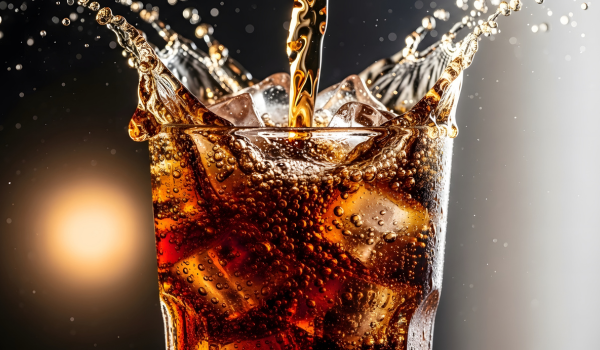
Diet soda is often marketed as a healthier alternative to regular soda because it contains no sugar and zero calories. While replacing sugary drinks with diet soda can reduce added sugar and calorie intake, research suggests that drinking diet soda regularly may still carry health risks, especially when consumed daily.
May Lead To Tooth Decay
Switching from regular soda to diet soda may reduce exposure to sugar, but it does not fully protect dental health.
acidic nature
Diet soda is highly acidic. Frequent exposure to acidic beverages can weaken tooth enamel over time, leading to dental erosion even without sugar.
higher erosion risk
Studies show that people who drink diet soda regularly tend to experience higher rates of enamel erosion compared to those who mainly drink water.
carbonation effects
Carbonated beverages are a known risk factor for dental erosion, according to dental health organizations, especially when consumed frequently throughout the day.
May Increase Diabetes Risk
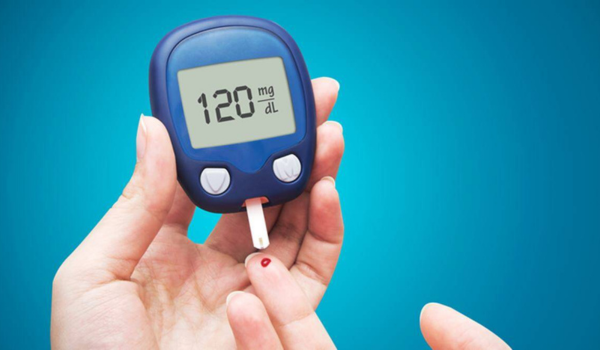
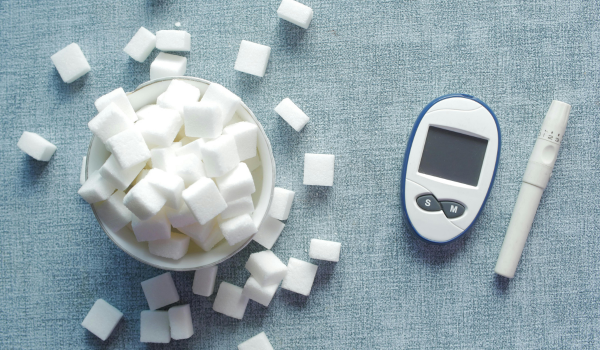
Many people choose diet soda to lower their diabetes risk, but research suggests artificial sweeteners may still negatively affect blood sugar regulation.
insulin resistance
Artificial sweeteners such as aspartame may increase insulin resistance, making it harder for the body to manage blood glucose effectively.
hormonal and gut effects
Diet soda consumption has been linked to increased cortisol levels, changes in gut bacteria, and oxidative stress, all of which may contribute to metabolic dysfunction.
disrupted appetite signaling
Artificial sweeteners may interfere with the brain’s ability to associate sweetness with calorie intake, potentially influencing food choices and overall diet quality.
May Increase Risk Of Kidney Disease
Regular consumption of diet soda has been associated with a higher risk of kidney-related issues.
phosphorus exposure
Diet soda often contains added phosphorus to enhance flavor and color. Excess phosphorus intake has been linked to impaired kidney function in some studies.
dose-related risk
Research suggests that kidney disease risk increases with higher diet soda intake, although more long-term studies are needed to confirm causation.
higher concern for vulnerable groups
People with existing kidney conditions may need to be especially cautious about consuming phosphorus-rich beverages.
May Raise Blood Pressure
Several studies have observed a link between diet soda consumption and higher blood pressure.
increased hypertension risk
Some research suggests that the risk of developing high blood pressure increases with each daily serving of diet soda.
possible reverse causation
It is unclear whether diet soda directly causes hypertension or whether people with existing health concerns are more likely to choose diet soda.
uncertain mechanisms
While associations exist, researchers have not yet identified a clear biological mechanism explaining how diet soda may raise blood pressure.
Potential Benefits Of Diet Soda
Despite its risks, diet soda can still offer some advantages when compared to regular soda.
lower sugar intake
Replacing regular soda with diet soda can significantly reduce added sugar consumption.
calorie reduction
For people trying to manage weight, diet soda may help lower overall calorie intake when used occasionally.
However, replacing regular soda with diet soda does not completely eliminate the risk of conditions linked to sugary beverages.
Diet Soda Vs. Regular Soda
Diet soda and regular soda share many of the same ingredients, including artificial flavors and additives.
sweetener difference
The main difference is that sugar is replaced with artificial sweeteners such as aspartame, sucralose, saccharin, or acesulfame potassium.
calorie content
Diet soda contains no calories because it lacks sugar, which is the primary calorie source in regular soda.
additive similarity
Aside from sweeteners, the overall formulation of diet and regular soda is largely the same.
Alternative Drinks To Try
Replacing diet soda with more nutritious beverages may provide greater health benefits.
water and flavored water
Plain water or sparkling water with natural flavors can support hydration without added risks.
mocktails
Mixing small amounts of 100% fruit juice with sparkling water creates a lower-sugar alternative.
kombucha
This fermented tea contains probiotics and antioxidants that may support gut and metabolic health.
prebiotic sodas
These beverages provide prebiotic fiber and typically contain far less sugar than regular soda.
A Quick Review
Although diet soda is free of calories and sugar, it is not necessarily a healthier choice when consumed regularly. Research links frequent diet soda intake to potential risks such as dental erosion, metabolic issues, kidney disease, and high blood pressure.
If diet soda is consumed occasionally, it is unlikely to cause harm. However, drinking it daily may increase health risks over time. Choosing water, sparkling water, or other minimally processed beverages is generally a better long-term strategy for overall health.


.png)



.png)
.png)
.png)
.png)

.png)
.png)
.png)
.png)
.png)
.png)
.png)
.png)
.png)
.png)



.png)
.png)
.png)
.png)