
As the body ages, several physiological changes can affect the way you absorb and use nutrients. Muscle mass naturally declines, appetite often decreases, and stomach acid levels drop, which makes it harder for your digestive system to fully absorb key vitamins and minerals. Eating less food also increases the risk of missing essential nutrients your body needs to function well.
To stay strong, active, and healthy, it becomes especially important to prioritize certain nutrients after age 50.
Protein
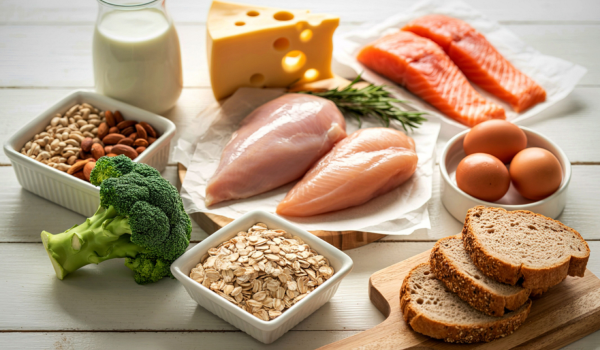
Maintaining adequate protein intake is crucial for preserving muscle mass—something that naturally decreases with age. Adults begin losing roughly 3–5% of muscle mass every decade after age 30. Increasing protein intake to around 1–1.3 grams per kilogram of body weight daily may help counteract this natural decline, particularly when paired with resistance or strength training.
On the other hand, consistently low protein consumption can accelerate muscle loss, contributing to weakness, reduced mobility, and a higher risk of falls.
Calcium
Calcium is required for strong bones and healthy teeth, but it also supports muscle contraction, nerve transmission, blood clotting, and cardiovascular function. As you get older, your body becomes less efficient at absorbing calcium from food.
Because of this, older adults may need more calcium to maintain healthy levels and protect against osteoporosis, bone fractures, and even metabolic issues like diabetes. Recommended daily intake for adults over 50 is 1,000 milligrams for men and 1,200 milligrams for women.
Vitamin D
Vitamin D works closely with calcium to support bone strength but also plays a bigger role in immunity, nervous system function, and inflammation management. Despite its importance, vitamin D deficiency is extremely common—more than half of U.S. adults over 50 fall short.
Sunlight remains the most natural way to produce vitamin D, but supplements and fortified foods offer valuable support. Early research even suggests vitamin D may slow some aging-related processes. Always speak with a healthcare provider about appropriate dosing to avoid taking too much.
Vitamin B12
Vitamin B12 supports nerve function, cognitive health, and the body’s ability to form new red blood cells. Since B12 is primarily found in animal products—such as eggs, poultry, fish, and meat—people who eat less of these foods or who absorb nutrients less effectively may struggle to meet their needs.
Absorption of B12 becomes more difficult with age, and certain medications—such as acid-reducing drugs—may further interfere. Long-term deficiency may increase risks for cognitive decline, memory problems, anemia, and even dementia.
Other Nutrients Worth Watching
Everyone has slightly different nutritional needs, so it’s best to discuss personalized recommendations with a healthcare provider. Still, several nutrients may require extra attention in older adults:
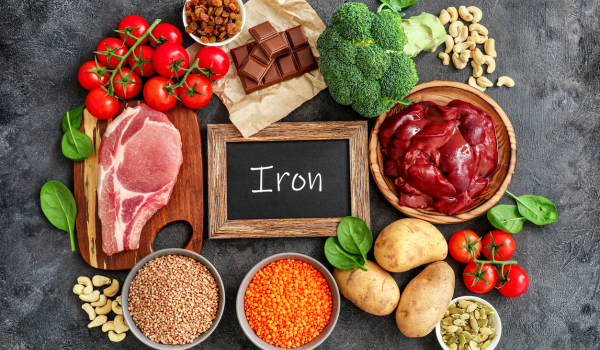
Iron
Low iron levels may lead to anemia, often accompanied by low energy, brain fog, or frequent fatigue. Older adults, especially those who menstruate or have digestive conditions, may be at greater risk.
Magnesium
Magnesium deficiency is common and has been linked to muscle cramps, poor sleep, headaches, and mood changes. Routine blood work can help determine if supplementation is needed.
Potassium
Potassium helps regulate blood pressure, supports heart function, and plays a role in bone strength. Many older adults benefit from eating potassium-rich foods like bananas, beans, and leafy greens.
Fiber
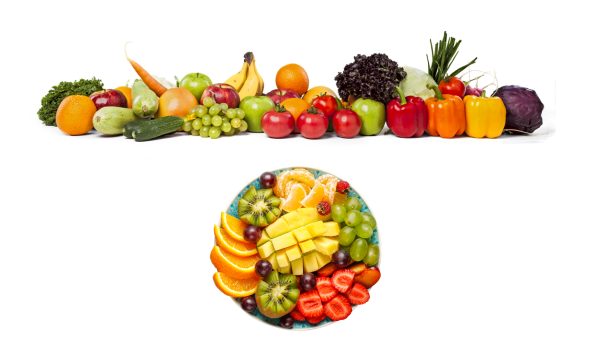
Constipation becomes more frequent with age due to digestive changes and lower physical activity. Increasing fiber—through whole fruits, vegetables, legumes, and whole grains—or using a fiber supplement may help improve regularity.


.png)












.png)
.png)
.png)
.png)

.png)
.png)
.png)
.png)
.png)
.png)
.png)
.png)
.png)
.png)



.png)
.png)
.png)
.png)