
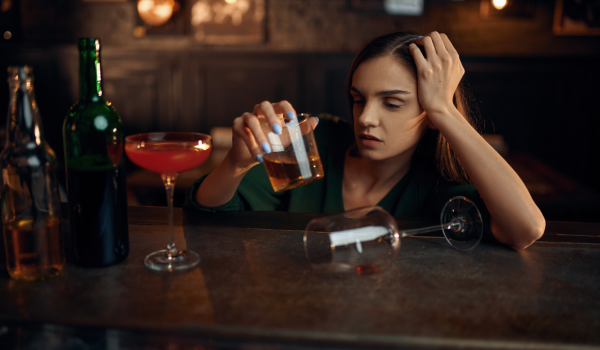
A hangover often comes with a throbbing headache, dry mouth, fatigue, nausea, and sometimes anxiety. These symptoms don’t come from just one cause. Alcohol affects the body in multiple ways, which together create the unpleasant aftermath many people know too well.
Alcohol consumption can lead to dehydration and electrolyte loss, irritation of the stomach lining, increased inflammation, exposure to acetaldehyde (a toxic byproduct of alcohol), disrupted sleep, and low blood sugar levels. Because so many systems are affected at once, preventing a hangover is far more effective than trying to fix it afterward.
While avoiding alcohol entirely is the only guaranteed way to prevent a hangover, many people turn to food-based “hacks” before or after drinking. Here’s what science actually says about some popular choices.
Snacking On Cheese After Drinking
Why people believe it helps
Some people swear that eating cheese and crackers after a night out prevents hangovers. The idea is that cheese may help slow alcohol absorption and replenish nutrients lost during drinking.
What research suggests
A 2023 animal study found that certain probiotic-rich cheeses improved alcohol metabolism and reduced hangover-like symptoms. Cheddar and Gouda, for example, often contain probiotics. However, animal studies don’t always translate directly to humans.
Cheese is calorie-dense and digests slowly, which may delay alcohol entering the bloodstream. Its sodium content may also help replace electrolytes lost through alcohol’s diuretic effects. These benefits are not unique to cheese and may apply to other salty, high-fat foods as well.
Taking Shots Of Olive Oil
The theory behind it
Some people claim that drinking olive oil before or during alcohol consumption prevents hangovers by slowing digestion or “coating” the stomach.
What science says
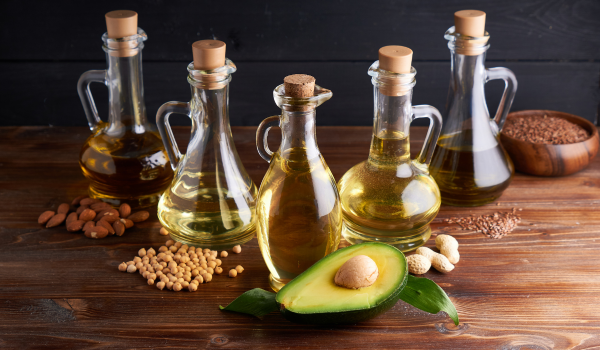
Olive oil is slow to digest and contains antioxidants that may slightly counter inflammation caused by alcohol. However, there’s no evidence that it forms a protective barrier in the stomach.
Experts suggest that any benefit would be minimal. The antioxidant content of olive oil is unlikely to offset the effects of heavy drinking, and its impact—if any—would be modest at best.
Eating Mustard Before Drinking
Why it became popular
Mustard packets have gone viral as a supposed hangover cure, with claims that eating mustard before drinking prevents next-day symptoms.
What evidence shows
There is no scientific evidence supporting mustard as a hangover prevention strategy. Any perceived benefit may come from its sodium content, which could help replace electrolytes, but this effect is likely minor and inconsistent.
For most people, results are more likely due to coincidence rather than physiology.
Using Probiotic Supplements
The proposed benefit
Some probiotic supplements claim to help break down acetaldehyde, the toxic compound produced when alcohol is metabolized. These products are marketed as hangover preventatives when taken before drinking.
What studies actually show
Limited research suggests probiotics may influence alcohol absorption, but studies have not shown a clear reduction in hangover symptoms. Some research was also funded by supplement manufacturers, which limits objectivity.
Probiotics mainly act in the gut and do not directly reach the liver, where most alcohol metabolism occurs. As a result, any benefit is likely to be small.
Can Any Foods Truly Prevent Hangovers?
Nutrients that may help
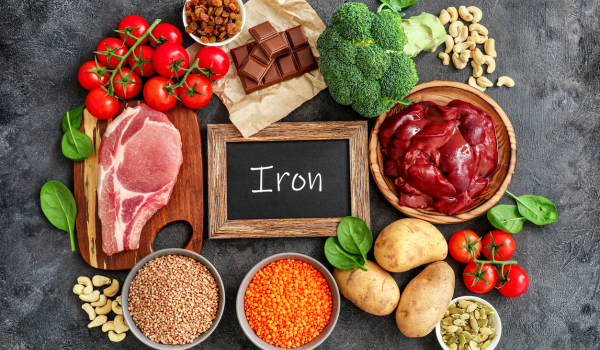
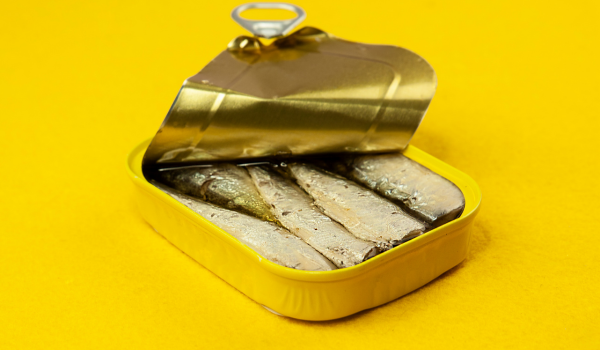
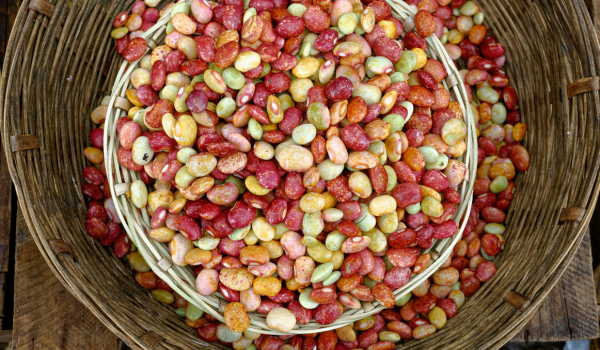
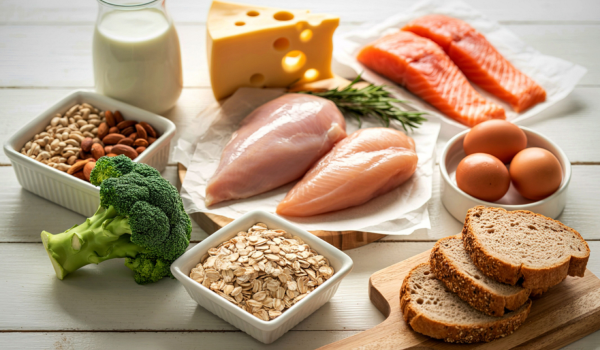
A small study found that people with higher intakes of zinc and nicotinic acid experienced fewer hangover symptoms. Foods rich in zinc include meat, shellfish, and legumes. Nicotinic acid is found in meat, fish, whole grains, avocados, peanuts, and mushrooms.
What matters most
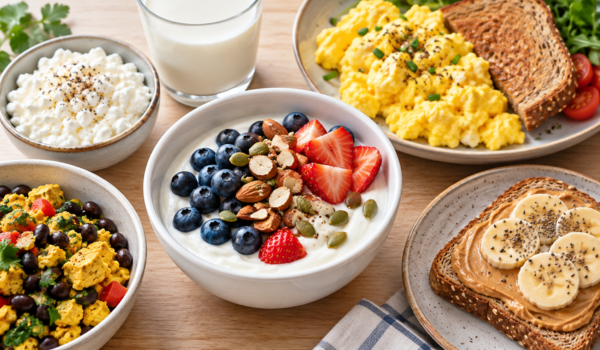
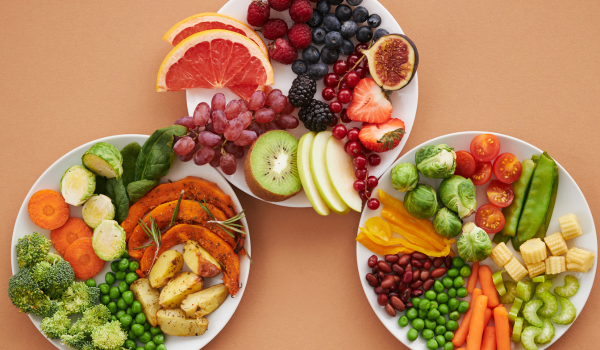
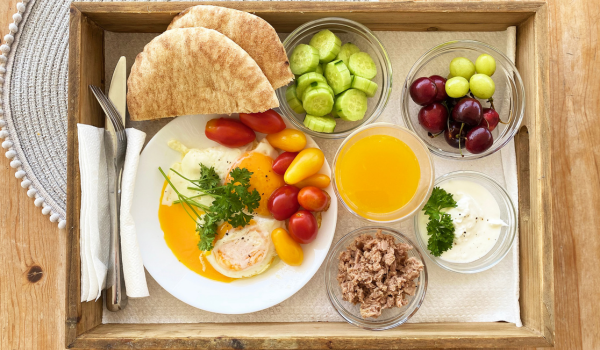
Rather than focusing on specific foods, experts recommend eating a balanced meal before drinking and staying hydrated throughout the night. Drinking water alongside alcohol—roughly one glass of water per alcoholic drink—remains one of the most effective strategies.
Caution is also advised with pain relievers after drinking. Some medications, especially acetaminophen, can stress the liver when combined with alcohol.
Ultimately, no food can fully prevent a hangover. Moderation and hydration remain the most reliable approaches.

.png)
.png)
.png)
.png)
.png)
.png)
.png)
.png)
.png)
.png)
.png)
.png)
.png)
.png)
.png)
.png)
.png)
.png)
.png)

