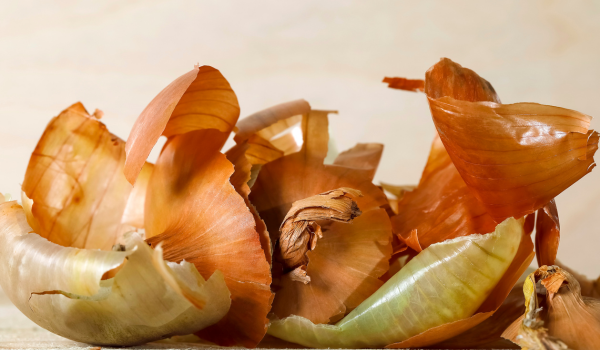
Most people peel onions and throw the skins away without a second thought. However, those papery outer layers actually contain powerful nutrients that may benefit your health. If you can tolerate the texture and prepare them properly, onion skins may be a surprisingly nutritious addition to your meals.
They Can Provide A Boost In Antioxidants
Onion skins are especially rich in antioxidants, particularly flavonoids such as quercetin and anthocyanins. Red onion skins contain higher levels of anthocyanins, while yellow and white onion skins are rich in quercetin.
These compounds help neutralize free radicals—unstable molecules that can damage cells and contribute to chronic conditions such as heart disease, inflammation, and premature aging.
Research shows that onion skins contain significantly higher antioxidant concentrations than the inner layers of the onion. In fact, powdered onion peel may contain over ten times more quercetin than the edible interior.
They Can Help You Reach Your Fiber Goals
Onion skins contain more dietary fiber than the inner flesh of the onion. Fiber plays an essential role in digestive health by supporting regular bowel movements, stabilizing blood sugar levels, and promoting satiety.
Diets rich in fiber are also associated with reduced risk of cardiovascular disease, type 2 diabetes, and certain digestive disorders. Since many people do not consume enough fiber daily, incorporating small amounts of onion skin into meals may help close that gap.
They Can Help Reduce Food Waste
Using onion skins instead of discarding them supports sustainable eating habits and reduces food waste. In many parts of the world, large amounts of onion skins are discarded daily, contributing to unnecessary food waste.
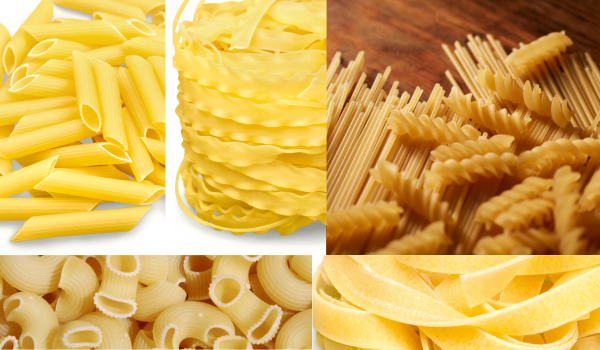
Some food manufacturers have begun incorporating onion skins into products such as fortified pasta, bread, and plant-based foods to increase fiber and antioxidant content. Using the entire vegetable at home supports both environmental sustainability and nutritional efficiency.
Possible Downsides Of Eating Onion Skins
Although onion skins can be nutritious, they are not suitable for everyone.
Hard To Digest
Onion skins are tough and fibrous, making them difficult to chew and digest. People with sensitive digestive systems or conditions such as irritable bowel syndrome may experience discomfort.
Risk Of Contamination
The outer layers of onions are more likely to carry pesticide residue or bacteria. Choosing organic onions and thoroughly washing the skins before use can reduce this risk.
Not Suitable For Raw Consumption
Eating onion skins raw is not recommended, as they can be a choking hazard and difficult to digest. Cooking helps soften them and improve safety.
How To Use Onion Skins In Cooking
Onion skins can be safely used when prepared properly. Here are a few simple ideas:
-
Simmer onion skins in soups or broths to enhance flavor and nutrient content
-
Add them to homemade vegetable or chicken stock, then strain before serving
-
Dry clean onion skins and grind them into a powder to use as a seasoning
-
Mix powdered onion skins into baked goods such as bread or savory crackers
Using onion skins creatively allows you to reduce waste while boosting the nutritional value of your meals.

.png)


.png)
.png)
.png)
.png)
.png)
.png)
.png)
.png)
.png)
.png)
.png)
.png)
.png)
.png)

.png)
.png)
.png)
.png)