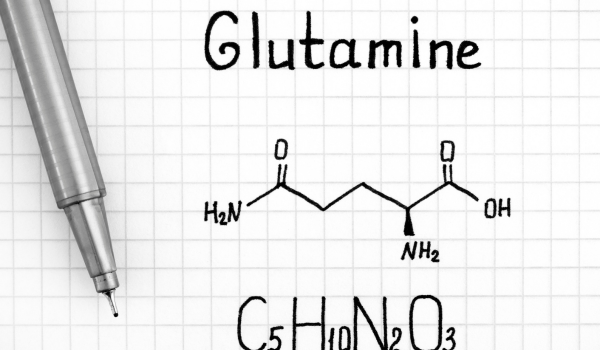
Glutamine is the most abundant amino acid in the human body. It plays a vital role in many essential processes, including immune defense, gut integrity, and inflammation regulation.
Glutamine is considered a conditionally essential amino acid, meaning the body usually produces enough—but during periods of stress such as illness, injury, or pregnancy, your needs can exceed what your body can make on its own.
Supports Immune Function
Glutamine is a critical fuel source for the immune system.
fuel for immune cells
Many immune cells rely heavily on glutamine to function properly, especially T lymphocytes (T cells). These white blood cells help protect the body from infections and play a role in defending against abnormal cell growth.
Glutamine is essential for healthy T cell production and for the creation of cytokines—proteins that allow immune cells to communicate and coordinate immune responses. This explains why glutamine demand increases during illness, infection, or recovery from trauma such as surgery.
Keeps Your Gut Healthy
Glutamine plays a central role in maintaining gut barrier integrity.
supports intestinal lining
Cells lining the intestines depend on glutamine as a primary energy source. In fact, the gut uses a large portion of the body’s total glutamine supply.
Glutamine helps maintain tight junctions—structures that act as protective barriers between intestinal cells. These barriers prevent toxins, harmful bacteria, and viruses from entering the bloodstream. When glutamine levels are low, gut permeability may increase, weakening this defense.
regulates gut inflammation
Glutamine also helps regulate inflammation within the intestinal tract. This is particularly important for people with inflammation-related digestive conditions, such as irritable bowel syndrome or inflammatory bowel disease.
Essential During Illness, Injury, and Pregnancy
During periods of intense physical stress, glutamine demand rises sharply.
critical illness and injury
When the body is under stress from illness, surgery, trauma, or severe burns, glutamine levels drop rapidly. At the same time, immune cells require more glutamine to support healing and infection control. In clinical settings, glutamine is often provided through feeding tubes or intravenous nutrition to support recovery and reduce complications.
pregnancy needs
Glutamine is also considered conditionally essential during pregnancy. Fetal growth increases the body’s demand for glutamine beyond what it can naturally produce. Eating sufficient protein typically helps meet these increased needs.
How Much Glutamine Do You Need?
Your body naturally produces glutamine, and most people meet their needs through diet and internal production.
daily production and intake
The average adult produces approximately 40–80 grams of glutamine per day. Most people also consume about 3–6 grams daily through food.
Under normal conditions, this is sufficient. However, during illness, injury, pregnancy, or periods of intense physical stress, glutamine needs may exceed production, making additional dietary or supplemental sources necessary.
Good Sources of Glutamine
Glutamine is found in many protein-rich foods from both plant and animal sources.
glutamine-rich foods include
-
Corn
-
White rice
-
Tofu
-
Milk
-
Beef
-
Eggs
Eating a balanced diet that includes a variety of protein sources generally helps maintain healthy glutamine levels.
Supplements
Glutamine supplementation may be useful in specific situations.
who may benefit from supplements
Glutamine supplements are commonly used in medical settings for people with critical illness or trauma. Outside of clinical care, some individuals—such as endurance athletes—may supplement glutamine to support recovery from intense physical stress.
Some evidence suggests glutamine supplementation may help reduce exercise-induced muscle damage and improve recovery markers. Glutamine has also been studied for potential benefits related to inflammation control and metabolic health in certain populations.
typical dosing
Supplemental glutamine doses vary widely, often ranging from 2 to 40 grams per day, depending on the purpose and individual needs.
Potential Risks and Side Effects
Glutamine is generally considered safe when used appropriately.
safety overview
Short-term use and clinical administration of glutamine have not been linked to serious side effects. However, long-term research on high-dose supplementation is limited.
Daily doses up to 14 grams are commonly considered safe for long-term use, and no significant adverse effects have been reported even at higher doses in controlled settings.
As with any supplement, it’s best to consult a healthcare provider before starting glutamine—especially if you have underlying health conditions or take medications.
Interactions
Glutamine may interact with certain medications.
possible medication interactions
-
Lactulose, used to manage ammonia levels in liver disease
-
Methotrexate, used in cancer and autoimmune disease treatment
Because interactions are possible, discussing glutamine use with a healthcare provider is recommended if you take prescription medications.
A Quick Review
Glutamine is an amino acid naturally produced by the body and obtained through protein-rich foods. It plays essential roles in immune defense, gut health, and recovery during physical stress.
Most people produce enough glutamine naturally, but under certain conditions—such as illness, injury, pregnancy, or intense training—dietary intake or supplementation may be beneficial.


.png)










.png)
.png)
.png)
.png)


.png)
.png)
.png)
.png)
.png)
.png)
.png)
.png)
.png)
.png)




.png)
.png)
.png)
.png)